Choosing the perfect dress for your body type can enhance your natural beauty and boost your confidence. Understanding your body shape is the key to selecting a dress that not only fits well but also emphasizes your best features. Whether you are curvy, athletic, or petite, the right dress can make all the difference. This guide aims to provide insights into identifying your body type and how to choose dresses that complement your unique silhouette.
Identify Your Body Type
The first step to choosing the perfect dress is identifying your body type. Common categories include hourglass, pear, apple, rectangle, and inverted triangle. Each body type has distinctive characteristics, such as body proportions and curves. For instance, hourglass figures have well-defined waists, while pear shapes feature wider hips compared to shoulders. Understanding these traits will help inform your dress choices for a flattering fit.
Dresses for Hourglass Figures
Hourglass figures can embrace their natural curves by choosing dresses that accentuate the waist. A-line dresses and wrap dresses are particularly flattering, as they highlight the defined waist while allowing for movement. Opting for v-necklines can also enhance the bust area. Fabrics that cling gently to the body will showcase your shape without overwhelming it, thus creating a balanced and elegant look.
Dresses for Pear-Shaped Bodies
For pear-shaped bodies, the goal is to balance the proportions between the upper and lower body. A-line dresses are ideal, as they flow away from the hips, creating a flattering outline. Focus on details that draw attention to the bust and shoulders, such as embellished necklines or off-the-shoulder styles. Structured bodices can also enhance your silhouette by providing definition and support where needed.
Dresses for Apple-Shaped Figures
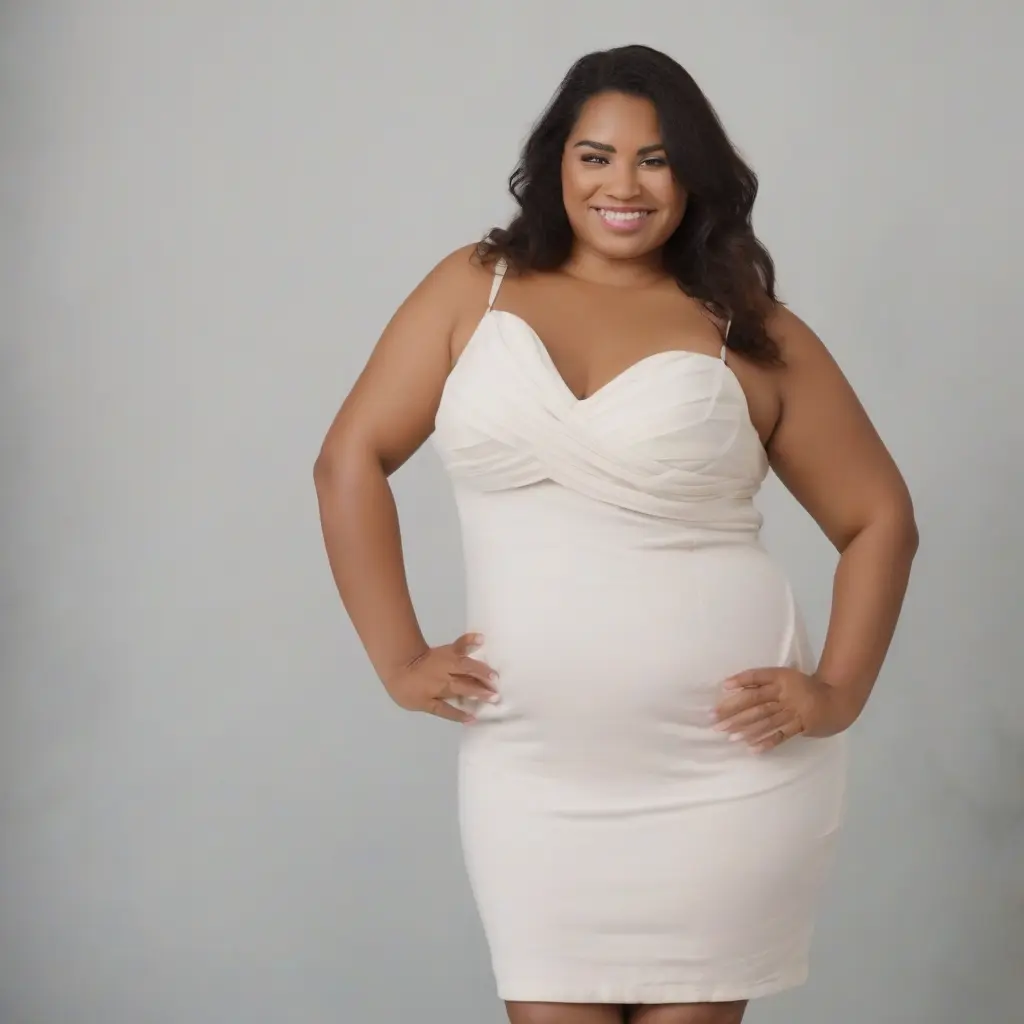
Apple-shaped figures often have fuller midsections, so the right dress can create an illusion of a slimmer waist. Empire waist dresses work well as they sit just below the bust and allow for a looser fit across the midriff. Selecting dresses with vertical lines can help elongate the body, while A-line styles can create a beautiful silhouette. Incorporating wrap styles can also provide a flattering focal point, drawing the eye upward.
Dresses for Rectangle Body Types
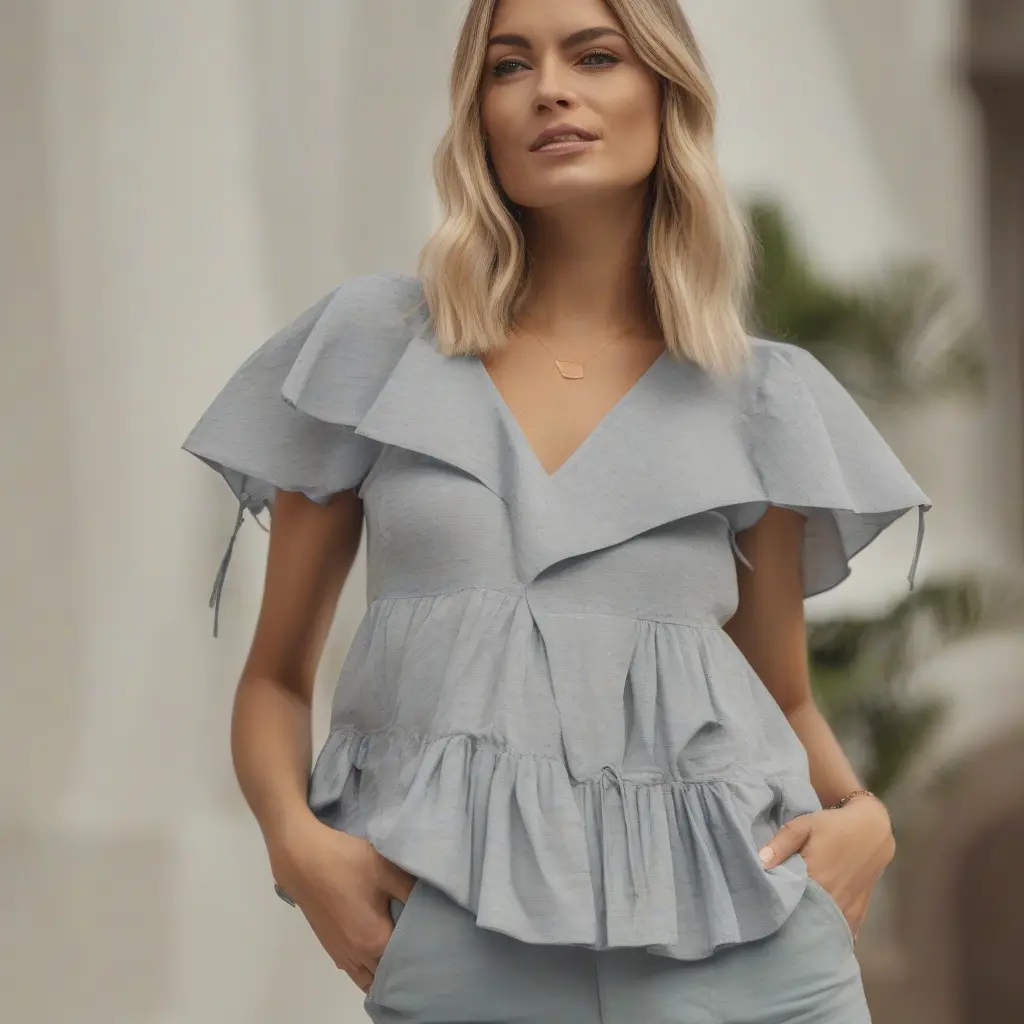
Rectangular body types often have a straighter silhouette with less definition at the waist. To create curves, opt for dresses that include embellishments or ruffles around the bust and hips. A fit-and-flare style can add volume and shape by cinching at the waist. Consider dresses with belts to create an hourglass illusion or layered designs to add dimension to your appearance.
Dresses for Inverted Triangle Shapes
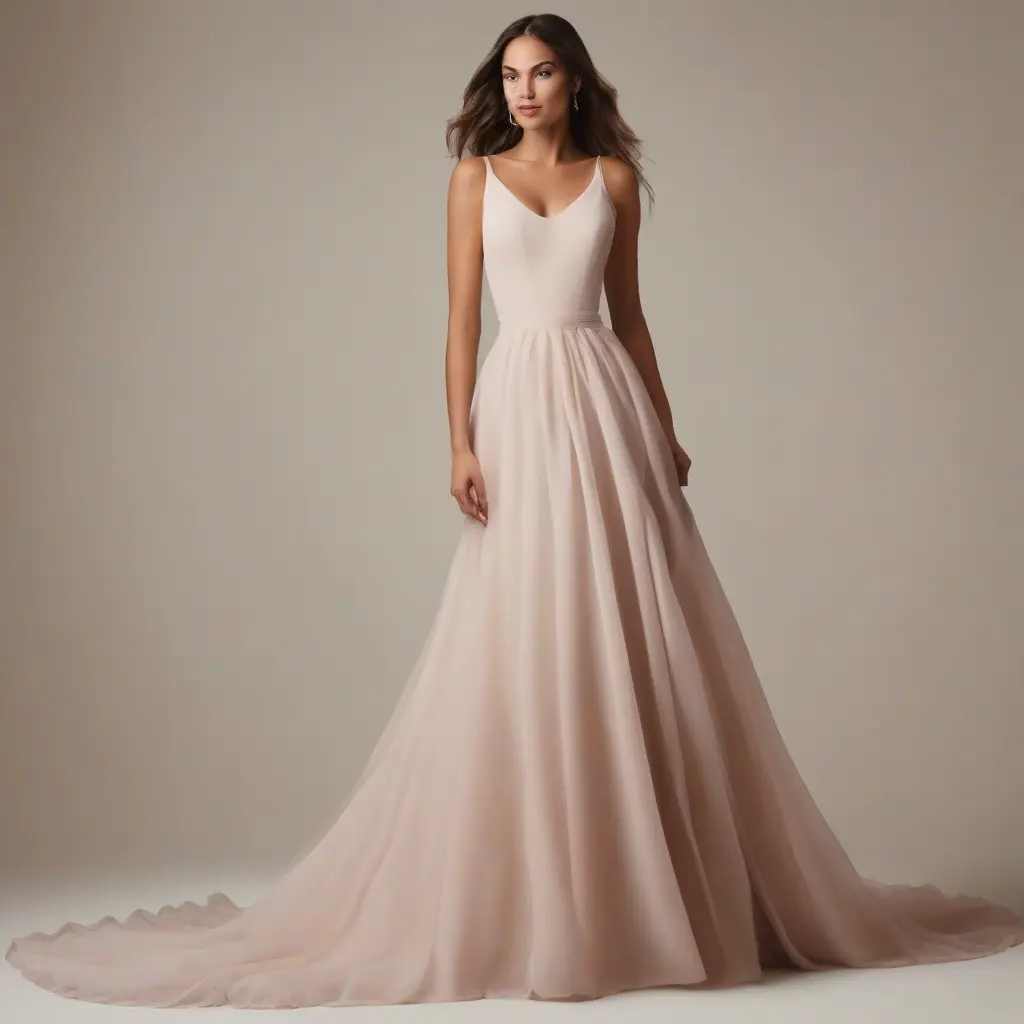
Inverted triangle shapes usually feature broader shoulders and a narrow waist. To balance this difference, choose dresses that enhance the lower body. A-line or ball gown dresses can add volume to the skirt, creating a more proportionate look. V-necklines or scoop necks will soften the upper body and direct attention downward. This combination will help achieve a flattering overall silhouette.
Choosing the Right Fabric
The fabric of a dress can significantly affect how it fits and flatters your body type. Heavier materials, like denim or cotton blends, are great for structured dresses, while lighter fabrics, such as chiffon or silk, provide a flowy, feminine touch. Understanding how different fabrics drape can help you select styles that highlight your features appropriately. Always consider comfort along with style when making your choices.
Accessorizing Your Dress
Accessorizing can enhance your overall look and add personal style to your dress. Consider belts to cinch the waist and create definition, especially for rectangle or apple-shaped bodies. Statement jewelry can draw attention to the neckline or shoulders. Footwear also matters; heels can elongate the legs, while stylish flats offer comfort without compromising style. Thoughtful accessory choices can elevate your outfit to a new level.
Try Before You Buy
It’s essential to try on various styles before making a purchase. Different brands may have unique sizing and cuts, so what fits perfectly in one dress may not in another. Take your time analyzing how each dress looks and feels on your body. When trying on dresses, move around to ensure comfort, as you want to feel confident in what you wear. Taking this extra step will help you find the dress that truly complements your body type.
Conclusion
Choosing the perfect dress for your body type involves understanding your unique shape and selecting styles that enhance your natural beauty. By identifying your body type and focusing on flattering cuts, fabrics, and accessories, you can feel confident and stylish at any occasion. Remember, the right dress should make you feel comfortable and empowered, allowing you to express your personal style effortlessly.