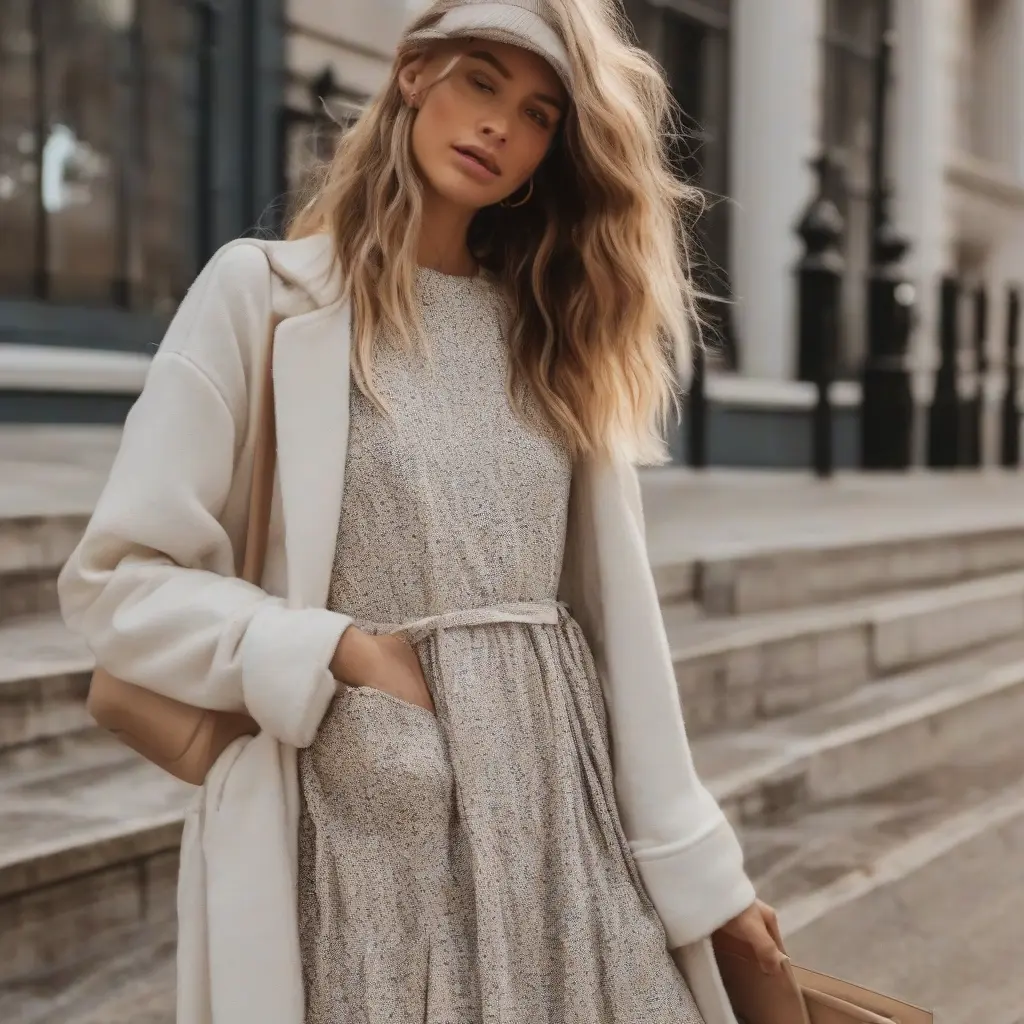
Layering dresses is an art that allows fashion enthusiasts to effortlessly transition between seasons while looking chic and put together. This guide delves into the best strategies for layering dresses, providing practical tips and style inspiration for any occasion. Whether it’s summer layering with lightweight fabrics or wintering styles that incorporate heavier textiles, mastering the technique can elevate your wardrobe’s versatility. We will explore seasonal appropriateness, fabric choices, and accessorizing, ensuring you stay stylish throughout the year.
Understanding Layering Basics
Layering involves strategically combining pieces to create a visually appealing and functional outfit. A solid understanding of layering basics is essential for achieving a harmonious look. The key is to play with colors, textures, and lengths, allowing each layer to serve a purpose while contributing aesthetically. Starting with a foundational dress in a neutral or versatile color helps create various combinations, allowing you to build upon with outer layers, such as cardigans, blazers, or jackets, depending on the season and occasion.
Choosing the Right Fabrics
The fabric you choose plays a significant role in the effectiveness of your layering. Lightweight fabrics, such as cotton and linen, are ideal for warmer months as they allow breathability and movement. In contrast, heavier materials, like wool and denim, offer warmth during colder seasons. It’s essential to mix different fabric types to add depth and interest to your outfit while ensuring comfort. Additionally, be mindful of the fabric’s drape, as this will affect how the layers sit on your body.
Layering Dresses for Spring
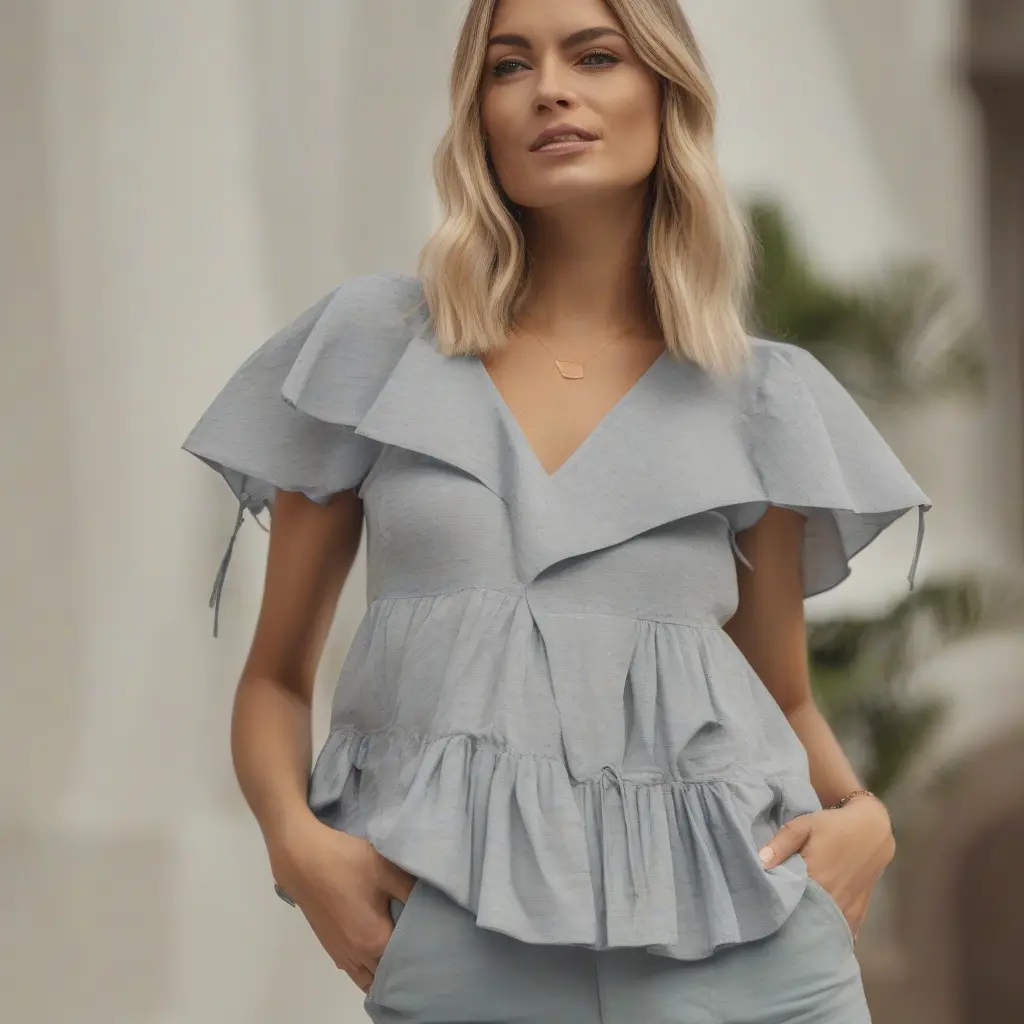
Spring is the perfect season to incorporate layering into your wardrobe as temperatures fluctuate. Opt for light dresses paired with light cardigans or denim jackets to add warmth during chilly mornings. Floral prints and pastel colors resonate beautifully with the spring theme, enhancing a fresh and lively look. Lightweight scarves can be introduced not only for warmth but also as a style statement. Pairing ankle boots or stylish sneakers with this look makes it ideal for casual outings or brunch with friends.
Summer Layering Ideas
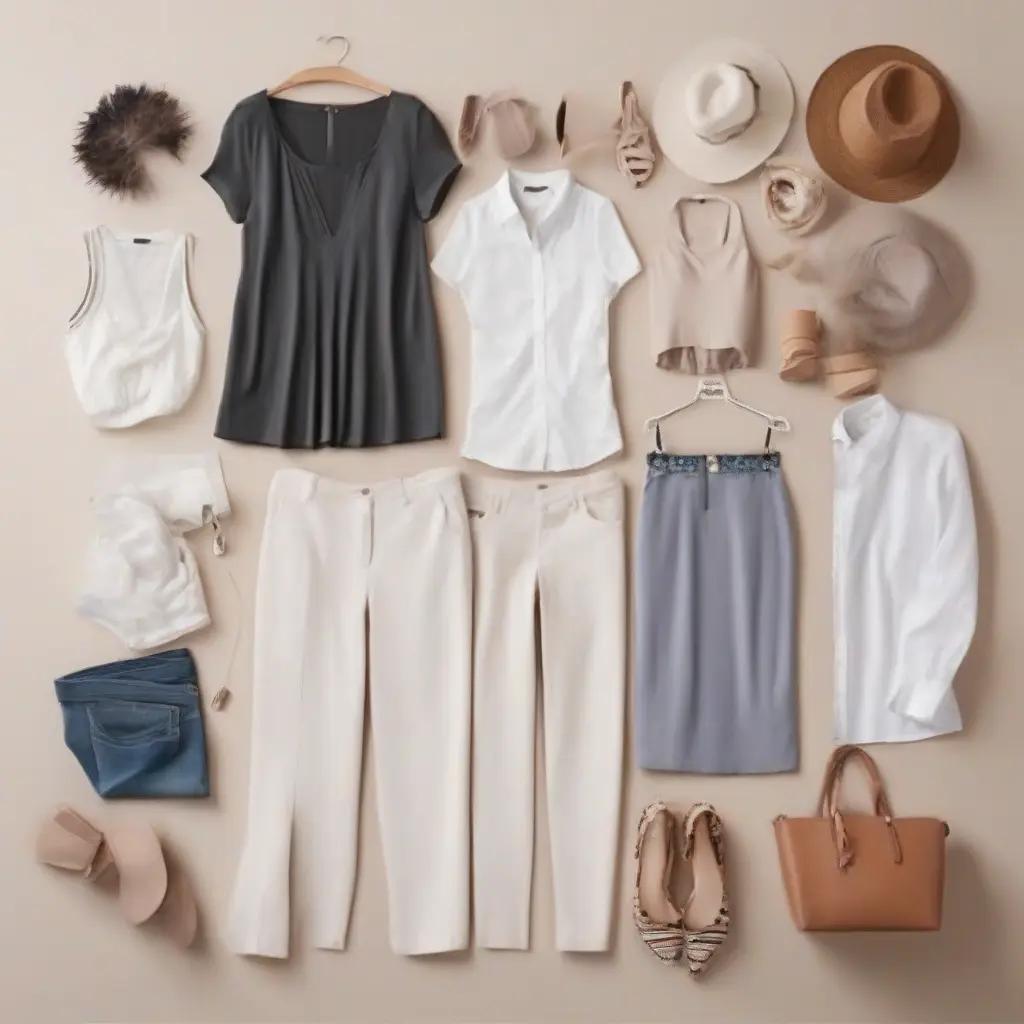
Summer layering can be challenging due to high temperatures, but it is possible with the right choices. Lightweight, sleeveless dresses can be paired with sheer kimonos or lightweight duster coats for added interest without sacrificing comfort. Accessories such as wide-brimmed hats and minimalistic jewelry add elegance while keeping the look cool and breezy. Choosing breathable fabrics and keeping layers thin ensures you remain stylish and comfortable during the hotter months, making outdoor events enjoyable.
Fall Layering Techniques
Fall is an exciting time for layering, as it provides the opportunity to experiment with textures and colors. Start with a versatile dress and add a chunky knit sweater or a fitted turtleneck beneath for warmth. Earthy tones such as browns, oranges, and deep greens can be in harmony with the season’s palette. Scarves, ankle boots, and stylish hats complement these outfits, enhancing your fall look while providing necessary warmth. Layering outfits in this season allows for creativity and personal expression.
Winter Layering Essentials
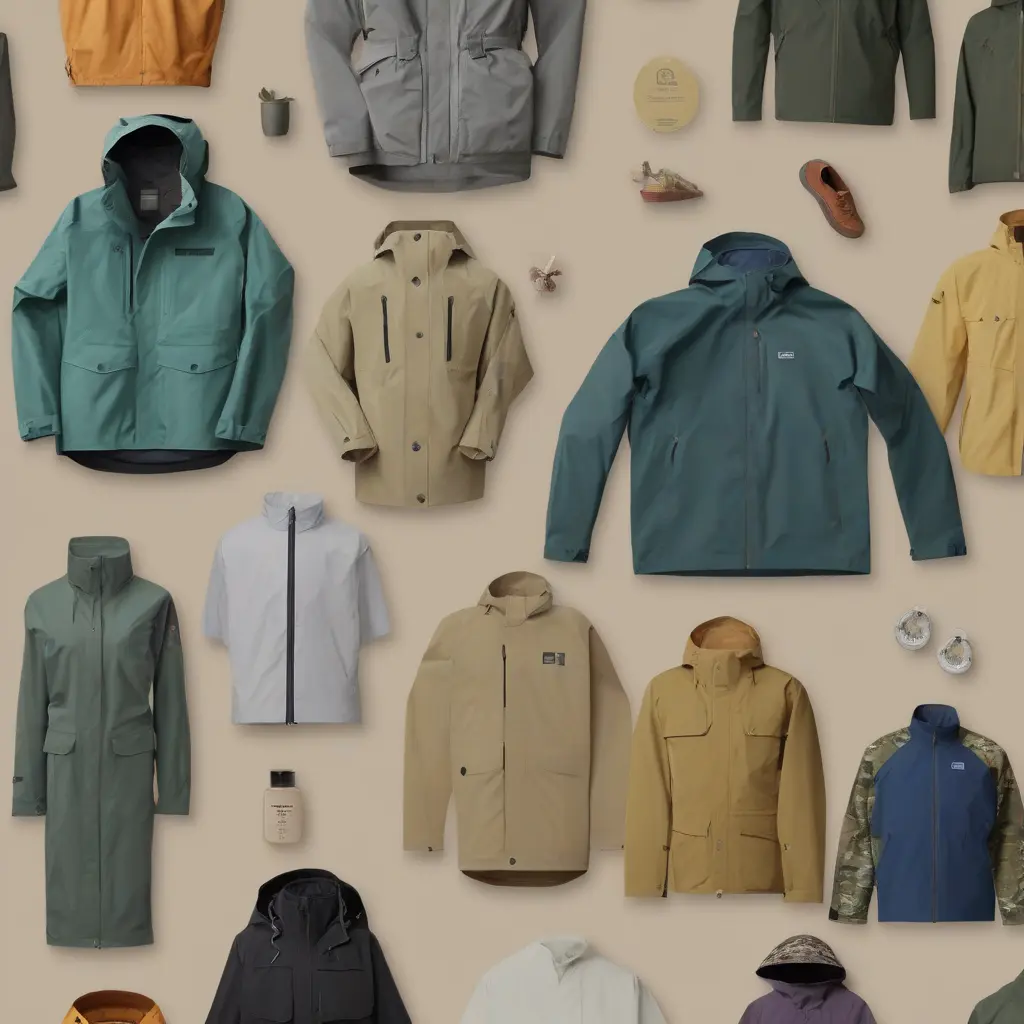
In winter, layering becomes crucial for staying warm while maintaining style. Start with a long-sleeve or thermal dress as a base layer, followed by a chunky knit sweater. A tailored coat or puffer jacket can be added on the top, ensuring you stay cozy. Don’t forget accessories such as thermal tights, boots, and a knitted beanie to complete the outfit while providing additional warmth. Mixing textures like wool, leather, and knits adds visual interest, allowing you to remain chic in cooler temperatures.
Accessorizing Layered Dresses
Accessories hold significant importance when it comes to completing layered outfits. They can serve both functional and aesthetic purposes, allowing you to personalize your style. Belts can cinch the waist and create a flattering silhouette when layered over a dress. Layering necklaces and stacking bracelets can add depth to your look. Choose shoes that complement your ensemble while being practical for the season, whether it’s sandals for summer or boots for winter. Carefully selected accessories can elevate even the simplest layered dresses.
Color Coordination in Layering
Color coordination is crucial when layering dresses. Harmonizing colors can make an outfit more cohesive and visually appealing. Start by using a color palette as a reference, prioritizing complementary and analogous color schemes. Neutral colors can provide a versatile base, while pops of color can be incorporated through outer layers or accessories. Experimenting with different shades and textures can create interesting contrasts, ensuring that your layered dress outfits remain engaging while allowing personal style to shine.
Layering for Different Body Types
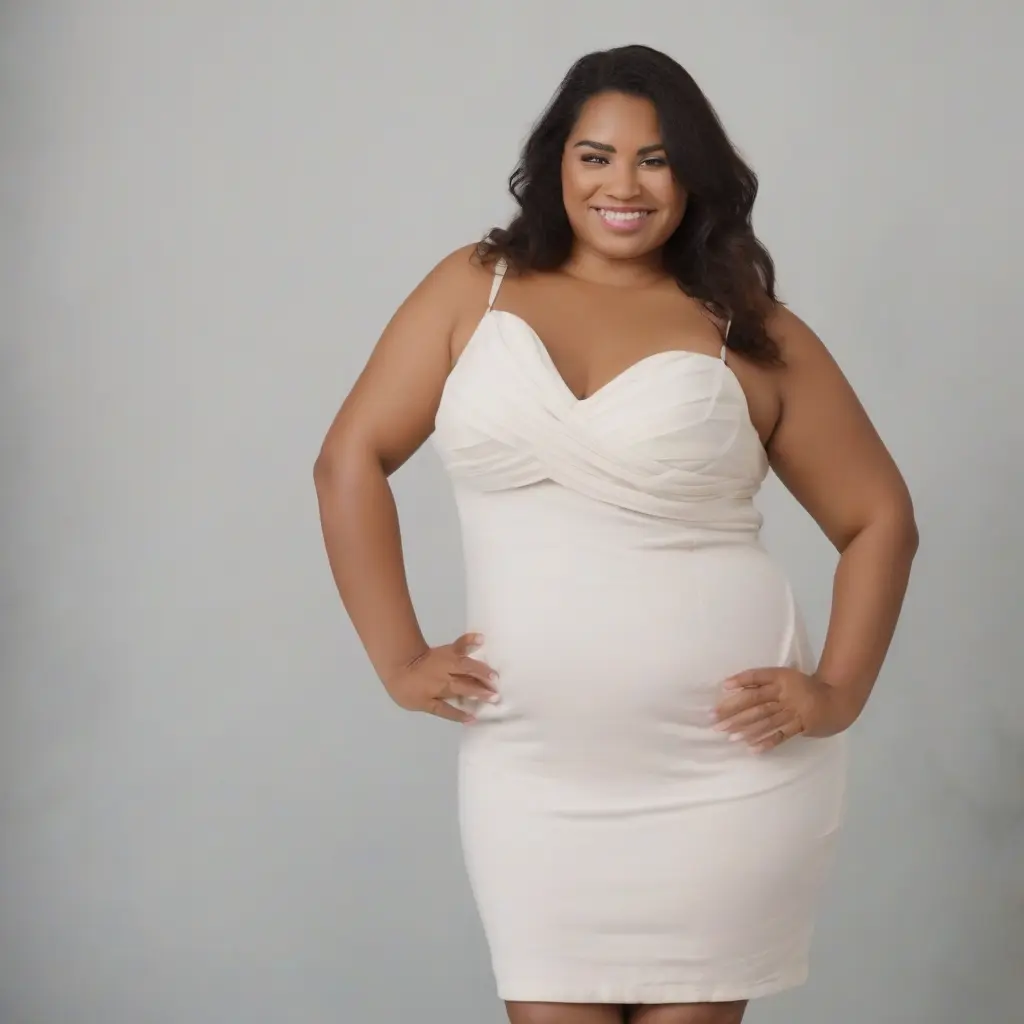
Understanding how to layer dresses for different body types is essential for achieving a flattering silhouette. For those with a pear shape, drawing attention to the upper body through blazers and statement jewelry works well. Conversely, if you have an apple shape, opt for A-line dresses layered with longer cardigans to elongate the silhouette. Hourglass figures benefit from fitted layers that accentuate the waist. Tailoring your layering techniques to your body type can enhance your outfit’s overall effect, promoting confidence and comfort.
Layering for Various Occasions
Different occasions call for different layering strategies. For casual outings, a t-shirt dress layered with a denim jacket offers a relaxed vibe. In contrast, a midi dress with a tailored blazer creates an elegant look perfect for professional settings. Consider the event’s context and choose layers that complement your dress while serving practical functions, like warmth or formality. By adjusting your layering techniques, you can easily create suitable outfits for everything from brunch to formal occasions.
Conclusion
Mastering the art of layering dresses allows for endless versatility in your wardrobe throughout the seasons. By combining various fabrics, styles, and accessories, you can create unique and fashionable outfits that reflect your personal style. Whether you’re optimizing for warmth in winter or keeping cool in summer, understanding the basics of layering ensures you can effortlessly transition between seasons while consistently looking chic.