Choosing the right dress color can significantly enhance the appearance of brown skin tones, creating a harmonious and striking look. With a diverse range of shades and undertones among individuals with brown skin, understanding which colors flatter each unique complexion is essential for building a versatile wardrobe. This guide will explore various color categories, their impact on brown skin, and provide tips on styling for different occasions. Whether you’re dressing for casual outings or formal events, selecting the right hue can elevate your overall aesthetic.
Understanding Undertones in Brown Skin
Before selecting colors for dresses, it’s crucial to understand the undertones present in brown skin. Undertones can be classified as warm, cool, or neutral. Warm undertones often appear alongside golden or peachy hues, while cool undertones tend to have pink or blue tints. Neutral undertones blend both warm and cool elements. Identifying your undertone will significantly impact color choices, as certain shades will enhance your complexion, making it appear vibrant and healthy. Different shades resonate differently with varying undertones, leading to a more personalized and flattering wardrobe.
Best Dress Colors for Warm Undertones
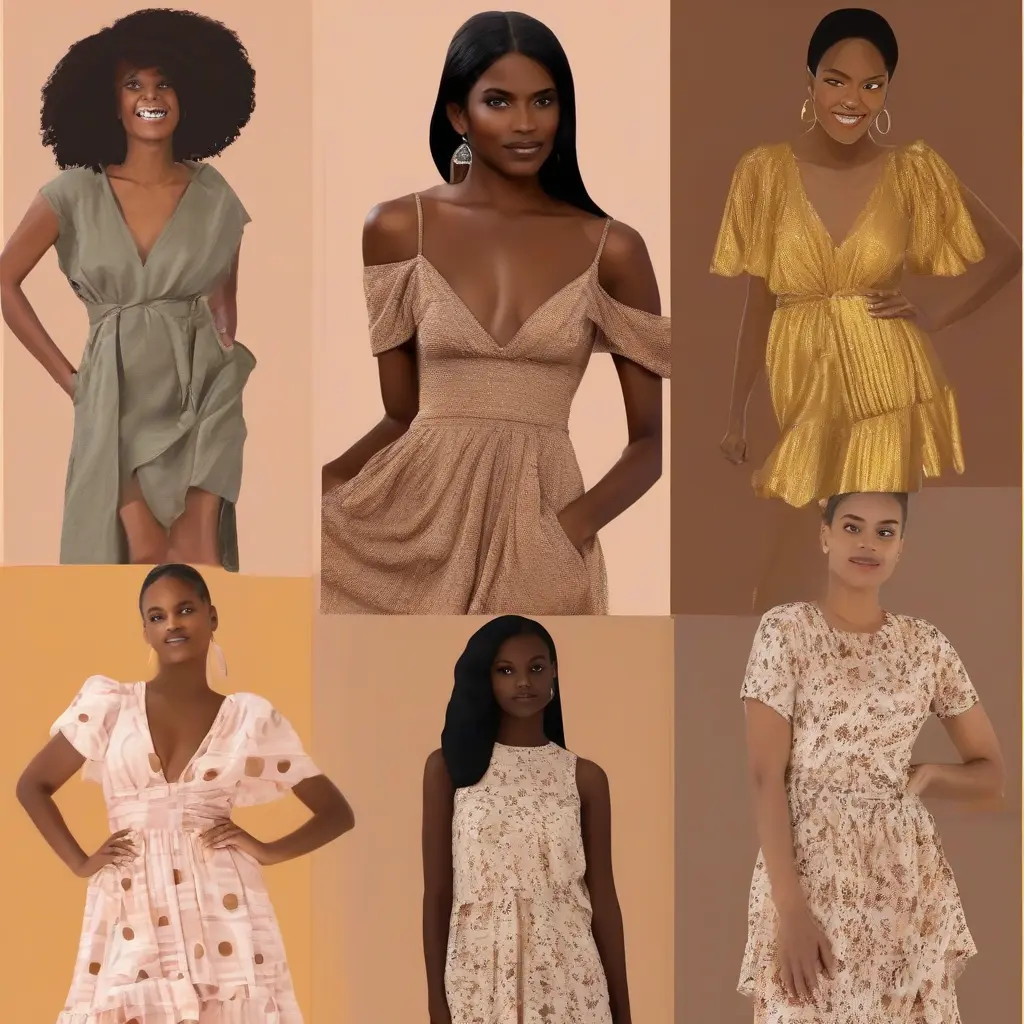
For individuals with warm undertones, colors such as coral, peach, and warm shades of yellow tend to be very flattering. Earthy tones like olive green, terracotta, and golden browns can enhance the natural glow of warm skin tones. These colors not only complement the warmth in the skin but also create a cohesive look that radiates confidence. Wearing vibrant shades can make your presence stand out and can be especially ideal for casual outings, summer events, or even formal occasions. Pairing these colors with appropriate accessories can also elevate the overall aesthetic.
Best Dress Colors for Cool Undertones
For those with cool undertones, colors such as sapphire blue, emerald green, and rich purples are optimal choices. Cool undertones are accentuated by colors that contain blue or purple hues, which can create a striking contrast and draw attention in a flattering way. Jewel tones often bring out the best in cool undertones, enhancing the natural beauty of the complexion. Selecting dresses in these shades can be especially impactful for evening events or formal gatherings, providing an elegant and sophisticated look while enhancing your overall appearance.
Best Dress Colors for Neutral Undertones
Individuals with neutral undertones have the luxury of versatility and can wear a wide range of colors. Shades like blush pink, jade, and true red are particularly flattering. These colors work harmoniously with both warm and cool elements, making it easier to create a balanced and chic look. Neutral undertones can experiment with both pastel shades and darker hues, providing flexibility for any occasion. When selecting a dress, keeping in mind how the color interacts with your skin tone can lead to stunning outfit choices, whether they’re for casual daywear or formal celebrations.
Vibrant Colors for Statement Dresses
Vibrant colors can make a bold statement and elevate an outfit to new levels of flair. Shades like fuchsia, bright orange, and electric blue can be especially striking on brown skin. These colors, while bold, create a beautiful contrast that enhances the skin’s natural warmth or coolness. Wearing vibrant dresses can express individuality and confidence, making them ideal for parties or social gatherings. When styling bold colors, complement your outfit with neutral accessories to avoid overwhelming the look and to keep the attention on the dress’s vibrant hue.
Pastel Colors for Soft Looks
Pastel colors can also flatter brown skin tones, offering a softer, more delicate aesthetic. Shades like lavender, mint green, and soft yellow can harmonize beautifully, creating a gentle yet sophisticated appearance. These colors can be ideal for spring or summer events, providing a refreshing look that is both stylish and approachable. Pairing pastel dresses with natural makeup and light accessories can enhance this soft look, making it suitable for day events, brunches, or more casual gatherings that require a lighter touch in style.
Choosing the Right Fabrics
The fabric of a dress can also play a significant role in how the color appears on brown skin. Lightweight materials like chiffon or cotton can allow colors to breathe and present vibrantly, while heavier fabrics like velvet may absorb light differently, creating a more muted effect. Understanding the interplay between color and fabric can enhance the overall look, ensuring the dress complements your skin tone effectively. When selecting a fabric, consider the occasion and choose textures that offer comfort and style while showcasing the colors you love.
Accessories to Complement Dress Colors
Accessories can elevate your dress color and enhance your entire outfit. For warm undertones, gold jewelry and earthy accessories work beautifully with warm-colored dresses. Conversely, cool undertones can opt for silver or platinum embellishments, which often match cool colors seamlessly. Adding contrasting accessories, such as a colorful handbag or shoes, can also help to make the dress stand out while maintaining balance. Understanding how to coordinate your accessories with your dress colors can create a refined and polished look, suitable for any event.
Seasonal Color Considerations
Different seasons can influence which dress colors are most flattering for brown skin tones. Spring and summer are ideal for lighter, vibrant hues, while fall and winter call for richer, deeper shades. Choosing colors that reflect the changing seasons can enhance your look and create a more cohesive wardrobe. For instance, during fall, colors like burgundy and forest green can complement the environment while enhancing your brown skin tone. Seasonally appropriate colors not only show awareness of fashion trends but also create visually appealing outfits.
Dressing for Different Occasions
Understanding how to match dress colors with occasions is crucial for selecting the right outfit. For casual outings, lighter, vibrant colors can express a playful spirit, while darker, more muted tones may be more appropriate for formal events. It’s essential to consider both the color and the context in which the dress will be worn to ensure it aligns with the atmosphere of the event. Dressing appropriately can enhance confidence and create a polished, put-together appearance that leaves a lasting impression on those around you.
Conclusion
In summary, selecting the right dress colors to flatter brown skin involves a nuanced understanding of undertones and color theory. By choosing colors that resonate with your unique complexion, you can elevate your style and make confident fashion choices. Whether selecting vibrant hues for a statement or softer shades for an elegant look, understanding how dress colors interact with your skin tone is invaluable. This knowledge will not only enhance your overall appearance but will also empower you to express your unique style across various occasions.