Layering tops is an essential skill that allows individuals to adjust their outfits according to seasonal changes, achieving both comfort and style. Each season presents unique challenges and opportunities for layering, enabling you to express your personal style while staying cozy. With the right techniques and thoughtful combinations, you can create looks that transition gracefully from chilly winters to warm summers. This guide offers practical tips on how to effectively layer tops for different seasons, helping you maximize your wardrobe while ensuring versatility in every outfit choice.
Understanding Seasonal Layering
To effectively layer tops throughout the year, it’s crucial to understand the unique characteristics of each season. Spring typically brings unpredictable weather, so it’s wise to include lightweight layers that can be easily added or removed. Summer requires breathable fabrics that keep you cool, while fall calls for cozy knits that can be layered over lighter pieces. In winter, heavier materials and multiple layers are essential to stay warm without sacrificing style. By adapting your choices to seasonal elements, you’ll be prepared for any climate shift.
Choosing the Right Fabrics
The selection of fabrics is pivotal when layering tops for different seasons. Light, breathable materials like cotton and linen are ideal for hot summer days, as they wick moisture away and promote airflow. For spring and fall, opt for materials like cotton blends or lightweight knits, which provide versatility and comfort. During winter, incorporate heavier fabrics such as wool or fleece, ensuring warmth without bulk. The right fabric can make all the difference in achieving a comfortable and stylish layered look.
Layering Techniques for Spring
In spring, the key to layering is to create flattering silhouettes that can adapt to shifting temperatures. Start with a fitted base layer, such as a simple tank or long-sleeved tee, and build up with a lightweight cardigan or a denim jacket. Scarves are also a fantastic accessory for spring; they provide warmth and a pop of color while being easy to remove when it warms up. The goal is to balance style and comfort, making it easy to adjust as the day progresses.
Summer Layering Essentials
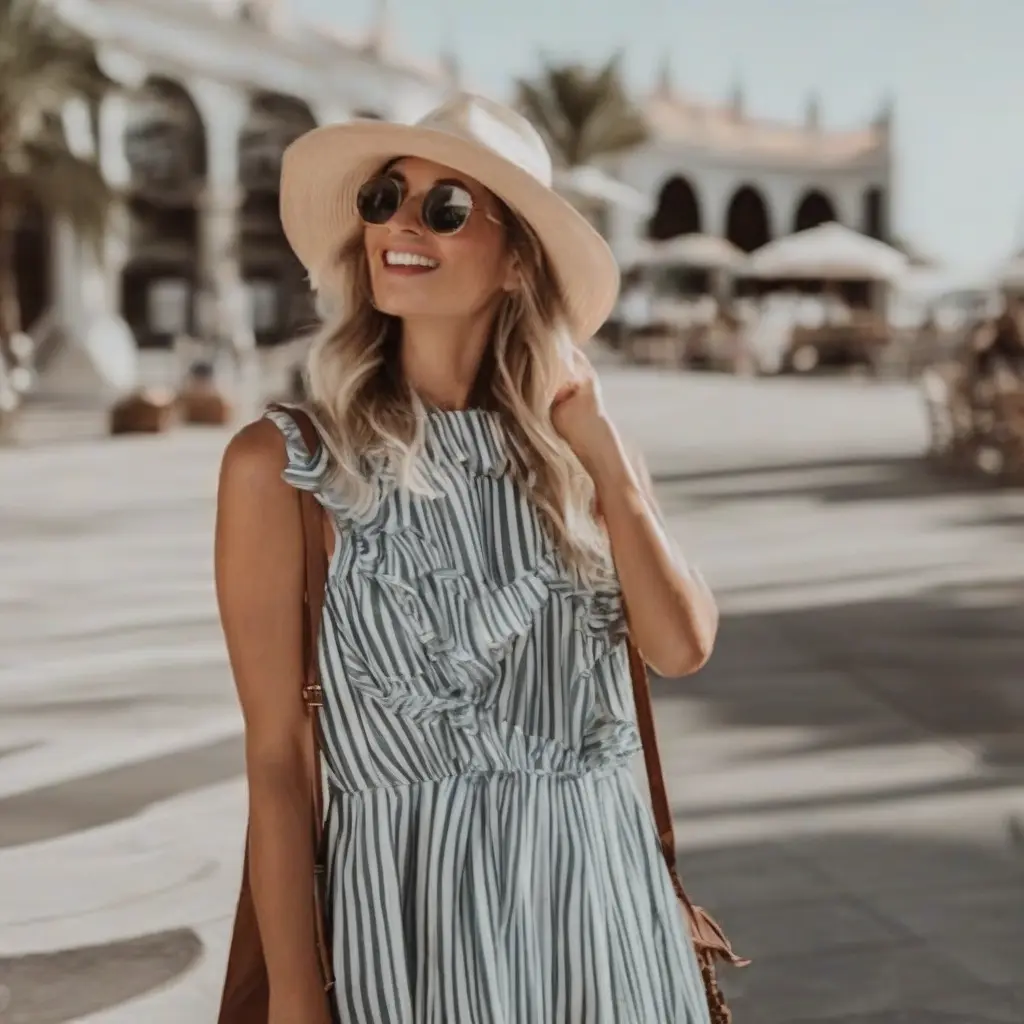
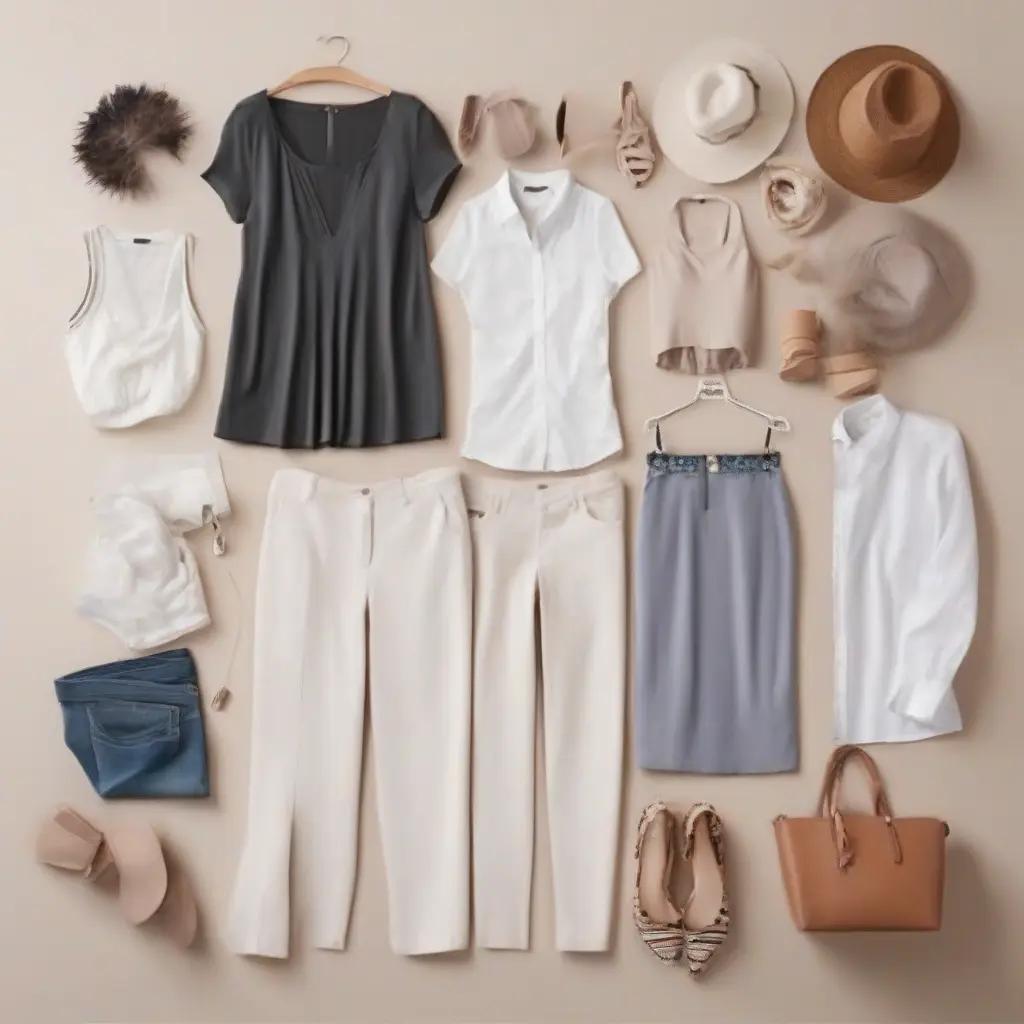
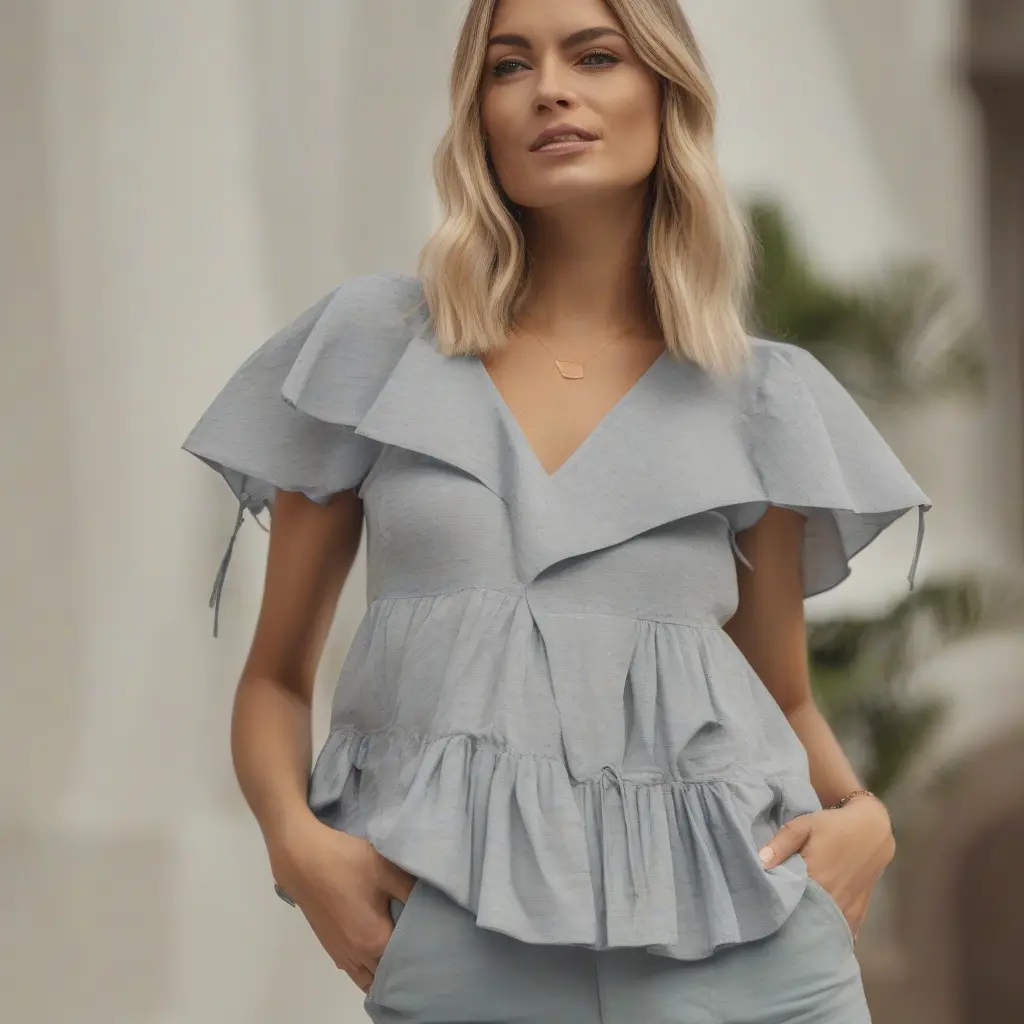
Layering in the summer can be a delicate balance between style and heat management. Choose lightweight fabrics like chiffon or cotton to create layers that are airy yet fashionable. A trendy sleeveless crop top layered over a lightweight button-down shirt can express your personality while keeping your look fresh. Additionally, summer layers can include breathable cardigans or kimonos that add dimension without excessive weight. Keep accessories minimal to avoid feeling overwhelmed by extra fabric on hot days.
Layering for Fall Fashion
Fall is the perfect time to experiment with layering combinations as the weather fluctuates between warm and cool. Start with a base layer, such as a fitted turtleneck, and layer it with a chunky knit sweater or a stylish flannel shirt. Incorporating colors that reflect the autumn palette—think burnt oranges, deep reds, and earthy browns—keeps your outfit in tune with the season. Additionally, scarves and vests can be added for warmth and style, allowing for a cozy yet chic appearance.
Winter Layering Strategies
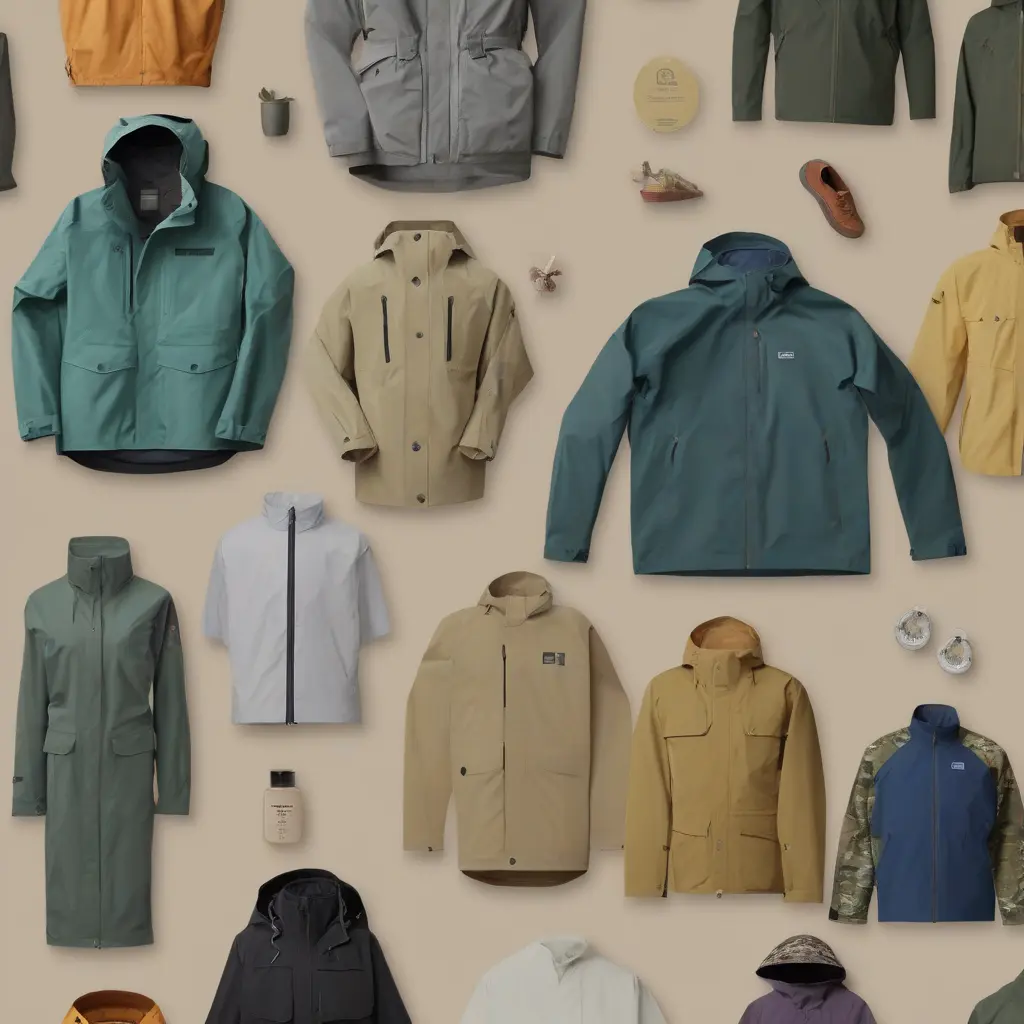
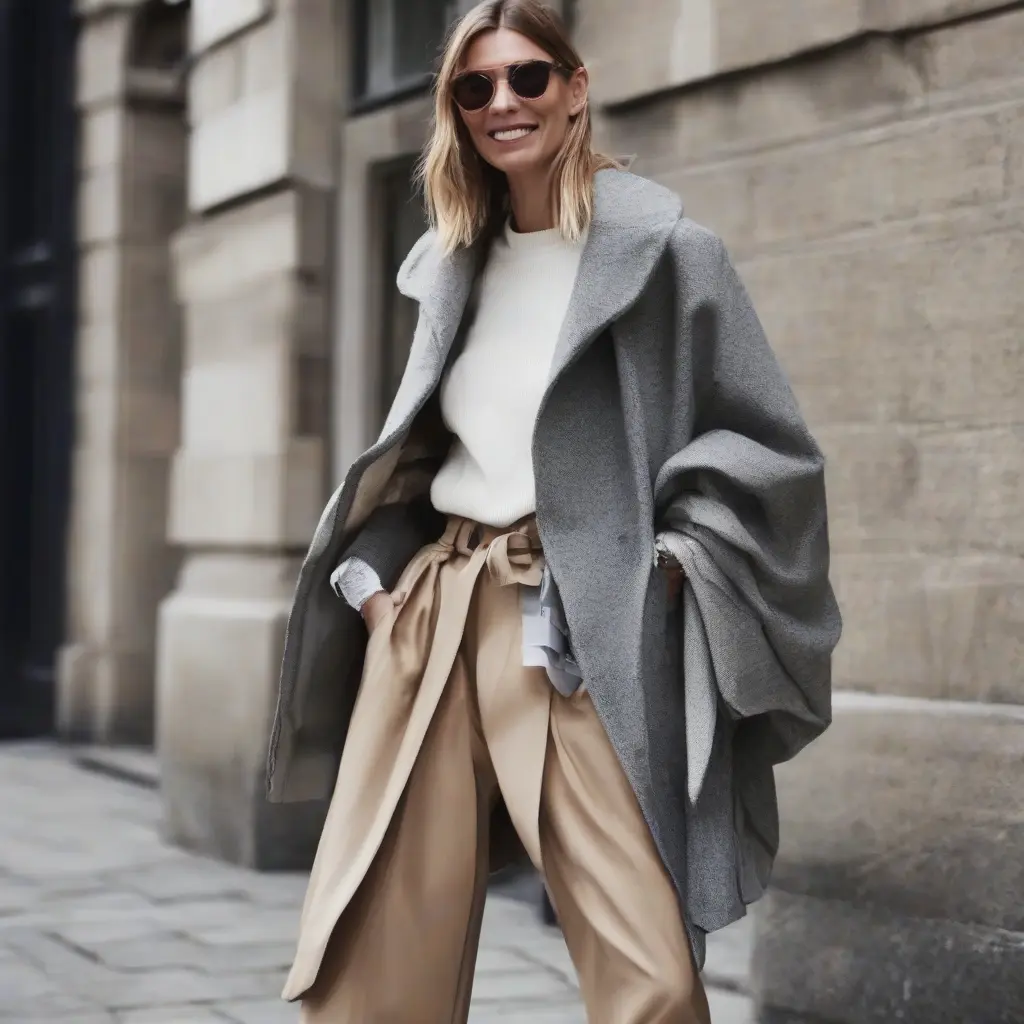
When winter arrives, master the art of layering with thermal tops as a base layer for extra insulation. Combine a sweater with a coat for warmth while maintaining a polished appearance. Don’t shy away from mixing textures; pairing a chunky knit with a sleek puffer jacket can create an appealing contrast. Accessories like hats, gloves, and scarves are not only functional but also complete your winter look, adding personality while ensuring you stay warm. Prioritize warmth and style with every piece you choose.
Accessorizing Your Layers
Accessories play a vital role in enhancing layered looks throughout each season. Scarves, belts, and statement jewelry can transform a simple outfit into an eye-catching ensemble. For instance, a wide belt worn over a sweater can define your waist, creating an attractive silhouette even with multiple layers. Additionally, hats and bags can add flair while serving practical purposes such as warmth or convenience. Thoughtful accessorizing allows you to personalize your layered outfits, making them unique and stylish.
Avoiding Bulk in Layered Looks
To successfully layer without adding bulk, opt for fitted layers and focus on fabric thickness. Start with a snug-fitting base layer, and ensure each subsequent layer is appropriately sized to avoid overwhelming your frame. Avoid heavy fabrics or overly large silhouettes, as they can create a frumpy appearance. Instead, look for layering pieces that offer both fashion and functionality without sacrificing comfort. The key is to create a streamlined look that feels polished and chic, regardless of the layers.
Mixing Patterns and Textures
When layering tops, mixing patterns and textures can elevate your outfit and add personality. Pair a striped shirt with a floral blouse, ensuring that one pattern is more subtle to avoid clashing. Consider adding textures like denim with soft knits or leather for a curated look. The contrast of different materials not only adds depth to your outfit but also reflects a unique sense of style. Experimenting with various combinations can yield stylish and eye-catching results.
Layering for Different Body Types
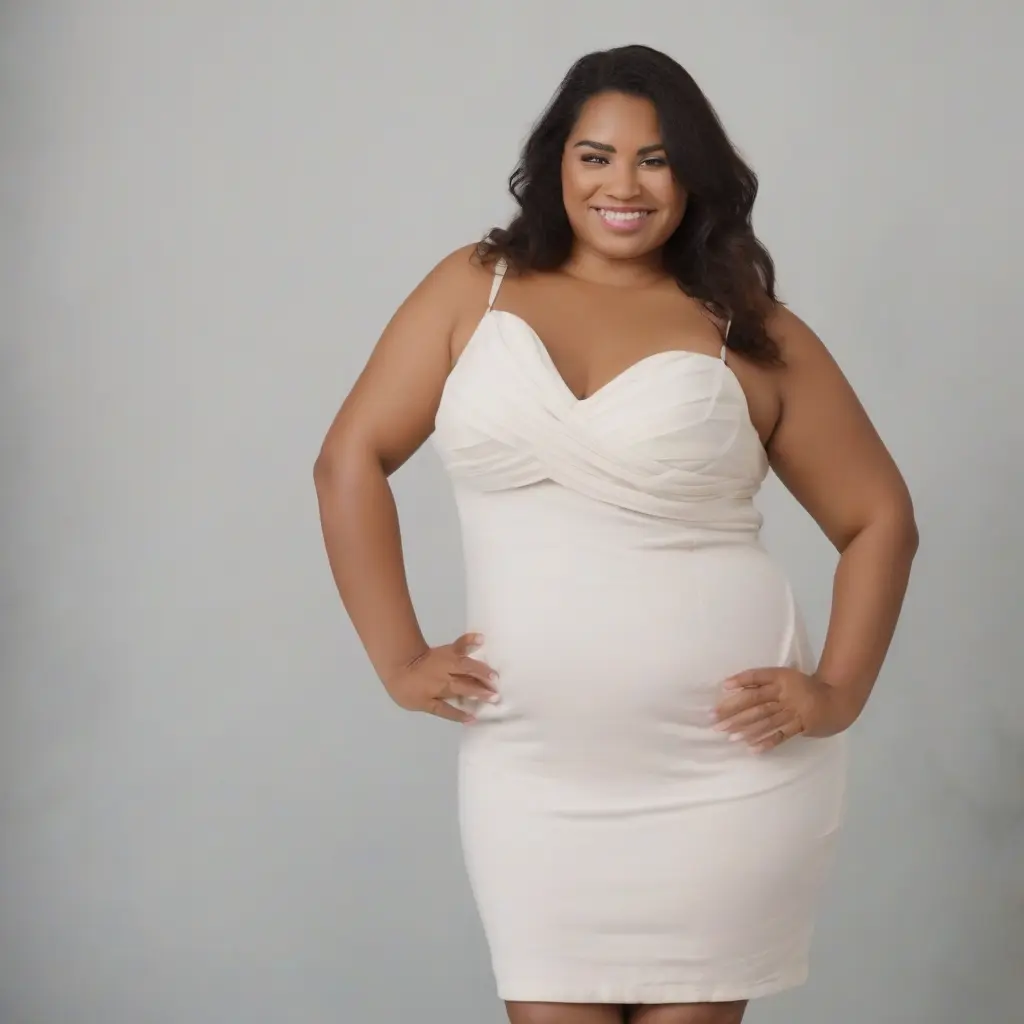
Every body type presents distinct opportunities when it comes to layering. For individuals with an hourglass shape, wearing form-fitting layers can accentuate natural curves while adding elements like jackets that cinch at the waist. Those with a rectangular shape may choose layers that create volume, such as ruffled tops or oversized cardigans, to add dimension. Understanding your body shape allows for strategic layering that highlights your best features while providing comfort and confidence in your look.
Conclusion
Layering tops effectively throughout the seasons is an invaluable skill that enhances style while addressing comfort needs. By understanding fabric choices, layering techniques for each season, and incorporating thoughtful accessories, anyone can master the art of layering. Embrace the flexibility that comes with seasonal layering to express your personal style, adapt to changing weather conditions, and make the most of your wardrobe’s potential all year long.