Finding the right fit for a custom outerwear piece can significantly enhance your comfort and style. Proper measurements ensure that garments fit perfectly to your unique body shape, thereby boosting your confidence and adding functionality to your wardrobe. In this comprehensive guide, we will walk you through the essential steps to measure yourself accurately, identify key dimensions, and understand how to communicate these measurements effectively for the best custom outerwear experience.
Understanding Your Body Type
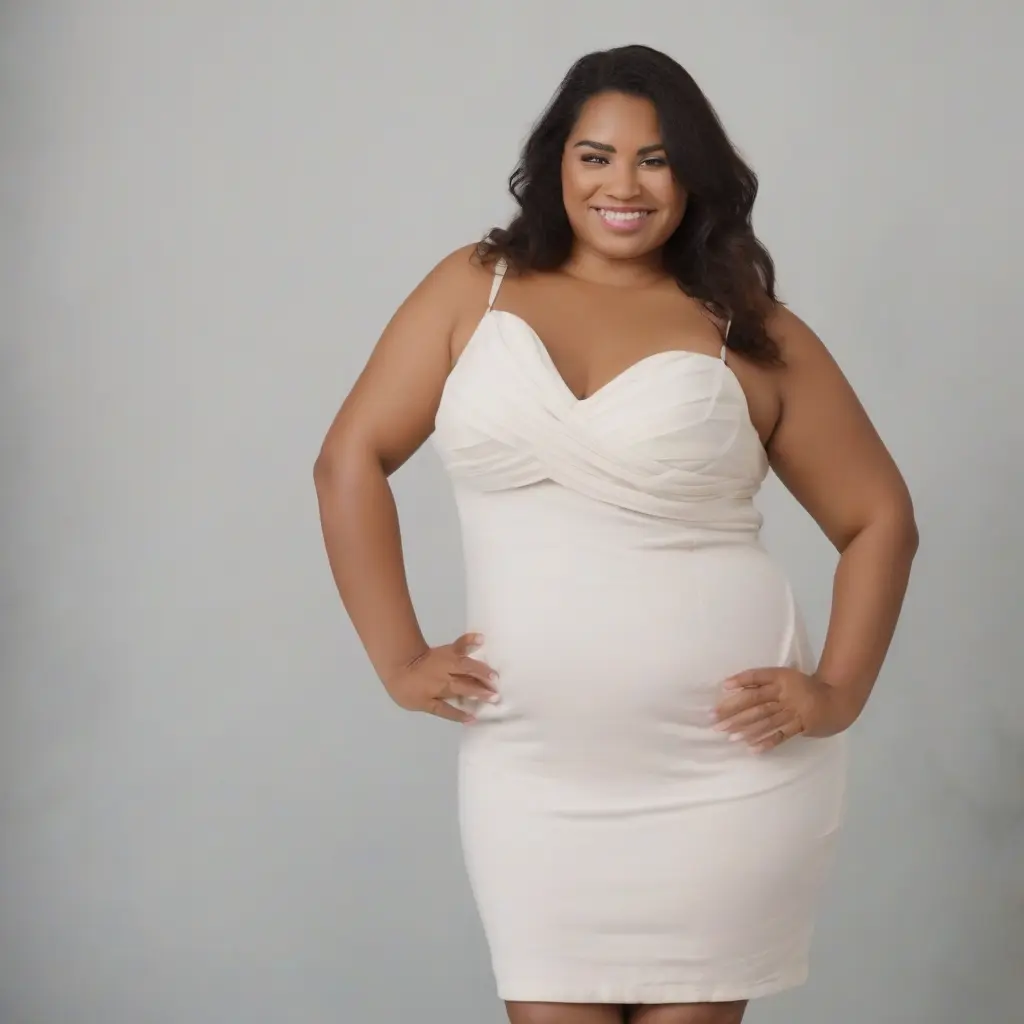
Before taking measurements, it’s crucial to understand your body type. Different body shapes can affect how an outerwear piece fits. Knowing whether you have an hourglass, athletic, pear, or apple shape helps in selecting styles that will flatter your physique. This knowledge can also guide you in balancing proportions, ensuring your custom outerwear not only fits well but also suits your aesthetic preferences.
Essential Measurements for Outerwear
There are several key measurements to take when ordering custom outerwear. The primary dimensions include chest, waist, hips, sleeve length, and back length. Each measurement plays a distinct role in how the outer garment will fit. For example, chest width affects how the outerwear hangs, while sleeve length determines comfort and movement. Accurate measurements ensure that all areas of the garment are tailored to accommodate your figure.
How to Measure Your Chest
To measure your chest, stand naturally and use a soft measuring tape. Wrap the tape around the fullest part of your chest, keeping it level and snug but not too tight. Ensure the tape lies flat against your body without crinkling. Take note of the measurement in inches, rounding to the nearest whole number. This measurement is vital as it guides the sizing of jackets and coats, ensuring a comfortable fit without constriction.
Measuring Your Waist
Measuring your waist is straightforward but requires accuracy. Find the natural crease of your waist, usually located just above your belly button. Use the measuring tape to wrap around this area, keeping it parallel to the floor. Again, ensure it’s snug, but not compressing your skin. This measurement is significant, as it informs the design of the outerwear’s waistline, ensuring it sits comfortably in that area without feeling loose or tight.
Measuring Your Hips
To measure your hips, stand with your feet together and use a tape measure to wrap it around the fullest part of your hip area. It’s crucial that the tape is kept horizontal and flat against your body to obtain an accurate reading. This measurement will impact how outerwear drapes around your lower body, especially in styles such as coats and jackets, which require ample room for layering and movement.
Sleeve Length Measurement
For sleeve length, the process involves a bit of assistance or using a mirror. Start with your arm relaxed at your side, and measure from the back of your neck to the wrist bone. Bend your elbow slightly, and ensure the tape follows the natural curve of your arm. Accurate sleeve length facilitates ease of movement while wearing your outerwear, ensuring that cuffs fall neatly at your wrist.
Back Length Measurement
To measure back length, begin at the basis of your neck and run the tape down to your lower back, typically around the waistline. This measurement is vital for understanding how the outerwear will fit along your torso. A properly measured back length ensures that the garment will hang correctly, preventing it from feeling too short or long, thus contributing to an overall polished appearance.
Understanding Customization Options
When ordering custom outerwear, it’s essential to discuss any specific customization options available. This could include preferences for fabric, color, lining, and additional features like pockets or zippers. Understanding what variations are possible can enhance your final product substantially. Communication with the tailor or designer about your specific needs will lead to a tailor-made piece that not only fits well but also reflects your personal style.
Tips for Taking Accurate Measurements
To ensure accuracy in your measurements, consider using a full-length mirror or assistance from a friend. Wear fitted clothing that allows the measuring tape to sit flat against your body without interference. It may also be helpful to record measurements at different times of the day, as variations in body size throughout the day can occur. Taking your time and double-checking measurements can lead to a better-fitting final product.
Common Mistakes to Avoid
Several common mistakes can lead to inaccurate measurements and a less-than-perfect fit. Avoid using stiff measuring tapes, as they can cause distortions. Additionally, refrain from measuring over bulky clothing, as this skews results. Ensuring that the measuring tape isn’t too snug or too loose is also crucial; it should fit comfortably to reflect your true dimensions. Being aware of these pitfalls can lead to a higher-quality custom outerwear experience.
Selecting the Right Tailor or Brand
Choosing the right tailor or brand is crucial for achieving your desired fit and quality. Research potential tailors by checking reviews and recommendations from previous customers. Look for tailors who specialize in outerwear and offer a range of customization options. Establishing a clear line of communication with your tailor can help address concerns and clarify expectations, ensuring a smoother process and a better end product.
What to Expect in the Customization Process
When getting custom outerwear, expect a thorough process involving consultations, fittings, and adjustments. Initially, a consultation allows you to discuss your preferences and requirements. Follow-up fittings ensure that adjustments can be made based on initial measurements, and custom tailoring takes place. Understanding this process helps manage expectations and allows you to be more involved in creating an outerwear piece that meets your specific needs.
Conclusion
Measuring yourself for custom outerwear is a vital step in ensuring you receive a well-fitting garment tailored to your unique shape. By understanding your body type, taking accurate measurements, and communicating your desires clearly to a tailor, you can achieve the perfect fit that elevates your style and comfort. Following these steps leads to a rewarding experience in customizing an outerwear piece that resonates with your personal style.