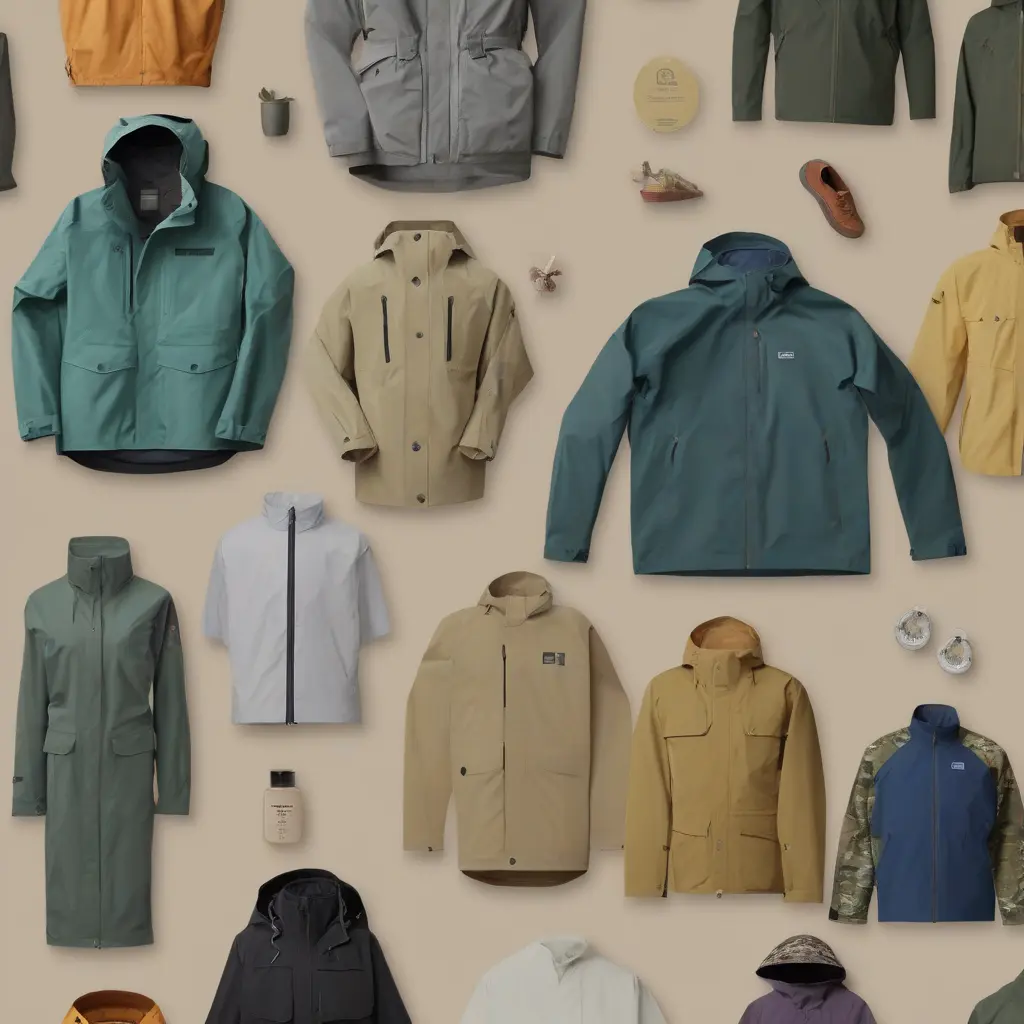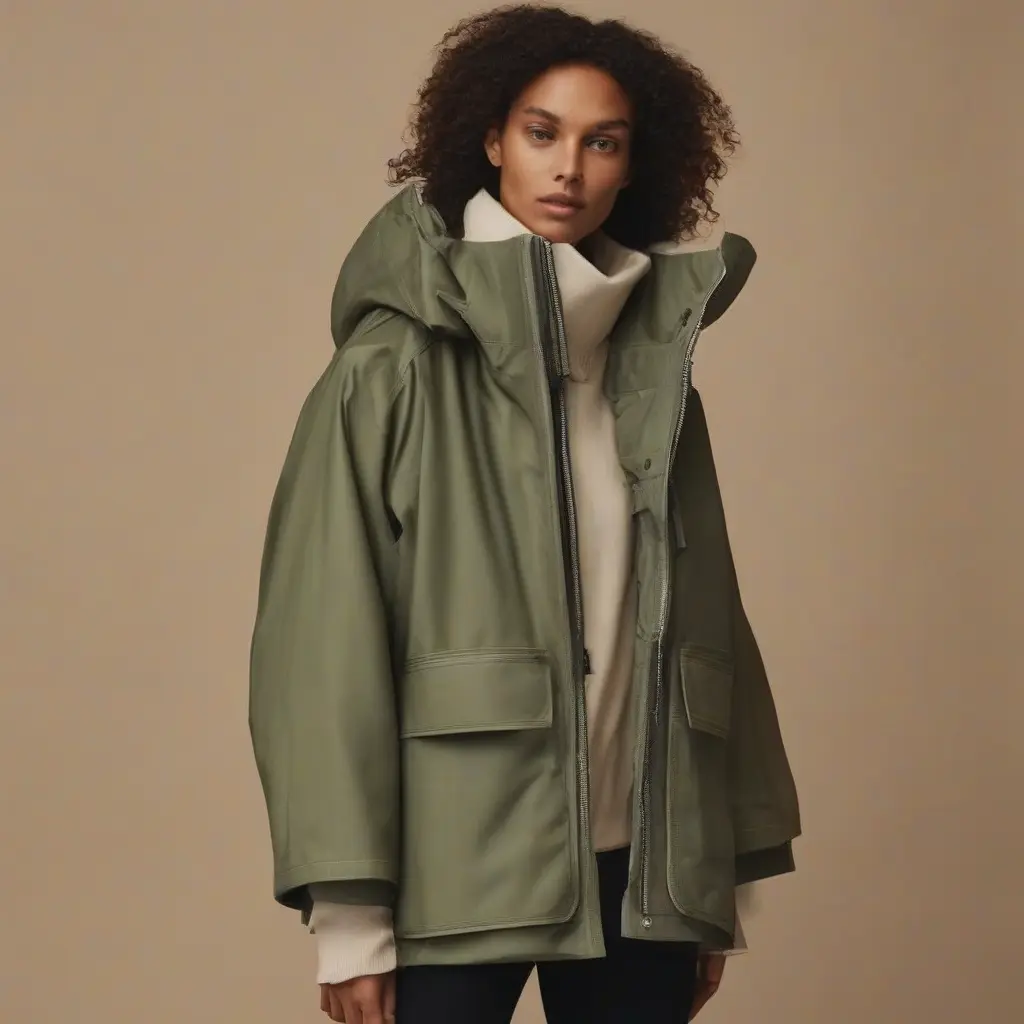
As climate change concerns grow, more consumers are seeking eco-friendly outerwear options that combine style with sustainability. This guide explores some of the most sustainable outerwear brands, highlighting their commitment to environmentally friendly practices, innovation in materials, and ethical production methods. From jackets made from recycled materials to brands that champion fair labor practices, choosing sustainable outerwear allows shoppers to make informed decisions that positively impact the planet.
Understanding Sustainable Outerwear
Sustainable outerwear refers to clothing designed for protection against the elements while minimizing environmental impact. This concept encompasses various aspects, including the materials used, production techniques, and company ethics. Brands in this space focus on using organic or recycled materials, optimizing energy-efficient manufacturing processes, and ensuring fair labor conditions. By opting for sustainable outerwear, consumers support a movement that prioritizes environmental responsibility and social equity.
Key Materials in Sustainable Outerwear
The materials employed in sustainable outerwear play a crucial role in reducing ecological footprints. Recycled polyester, for instance, is often sourced from post-consumer plastic bottles, effectively diverting waste from landfills. Organic cotton, free from harmful pesticides and fertilizers, offers a sustainable alternative to conventional cotton. Additionally, natural fibers like hemp and Tencel are increasingly favored for their biodegradability and low environmental impact. Understanding these materials can empower consumers to make more sustainable choices.
Top Sustainable Outerwear Brands
Several brands have emerged as leaders in the sustainable outerwear sector. Patagonia is often lauded for its commitment to environmental stewardship, using recycled materials and donating a percentage of profits to conservation groups. Another notable brand is The North Face, which has incorporated a circular economy approach through its Renewed program, giving new life to damaged products. Similarly, Columbia Sportswear focuses on transparency and sustainability within its supply chain, setting an example for the industry.
The Role of Certifications
Certifications can significantly impact the credibility of sustainable outerwear brands. Certifications like Global Organic Textile Standard (GOTS) ensure that organic textiles meet rigorous environmental and social criteria throughout the supply chain. The OEKO-TEX certification guarantees that textiles are free from harmful substances, ensuring safety for consumers and the environment alike. Evaluating these certifications can help shoppers identify brands that genuinely commit to environmental and ethical responsibilities.
Innovations in Eco-Friendly Technology
The sustainable fashion industry is characterized by continual innovation in eco-friendly technology. Brands are now developing advanced waterproofing techniques using biodegradable materials, eliminating the need for harmful chemicals. Other innovations include the use of plant-based dyes that minimize water pollution compared to conventional dyes. Such technologies not only enhance the functionality of outerwear but also align with the values of environmentally conscious consumers seeking to reduce their impact.
Economic Impact of Sustainable Choices
Investing in sustainable outerwear can have a positive economic impact. While initially higher in price, these products tend to offer better durability and longevity, translating to savings over time. Moreover, by supporting environmentally conscious brands, consumers contribute to an industry shift towards sustainable practices. This demand can stimulate job creation in green sectors, promoting an economy that values sustainability and ethical labor practices, ultimately benefiting both society and the planet.
Consumer Demand for Sustainability
Consumer demand for sustainable products is on the rise, driving brands to adopt eco-friendly practices. Research indicates that shoppers are increasingly willing to pay a premium for sustainably produced items. This shift reflects a broader awareness of environmental issues, encouraging brands to commit to transparency and ethical sourcing. Consumer preferences play a crucial role in motivating brands to reduce their environmental footprint and prioritize sustainability throughout their operations.
How to Care for Sustainable Outerwear
Caring for sustainable outerwear is essential to prolong its life and maintain its eco-friendly qualities. Proper washing techniques, such as using cold water and air-drying, can significantly reduce environmental impact. Additionally, avoiding harsh chemicals helps preserve the integrity of natural fabrics. Regular maintenance, like waterproofing treatments made from eco-friendly products, can extend the lifecycle of outerwear, ensuring that these garments continue to perform sustainably over time.
The Future of Sustainable Outerwear
The future of sustainable outerwear looks promising, with ongoing advancements in technology and growing consumer awareness. Brands are increasingly investing in research and development to create high-quality, eco-friendly materials that meet performance standards. This trend is complemented by a shift in consumer expectations, favoring brands that demonstrate a commitment to sustainability. As more options become available, shoppers can confidently make choices that align with their values, driving the industry toward a greener future.
Conclusion
In summary, the landscape of sustainable outerwear is evolving, offering consumers numerous options that are both stylish and environmentally responsible. By understanding the importance of materials, certifications, and innovations, conscious shoppers can make informed choices that positively impact the planet. Supporting sustainable brands not only aids in mitigating climate change but also fosters a fashion industry that values ethics and ecological harmony.