Finding unique vintage dresses can be a rewarding experience for any fashion enthusiast. Vintage clothing offers a way to express individuality, showcasing styles that are often not available in contemporary collections. Moreover, vintage dresses add character to your wardrobe, making every outfit unique. In this article, we guide you on where to find these gems, what to consider while shopping, and how to incorporate them into your daily style.
Understanding Vintage Fashion
Vintage fashion typically refers to clothing items that are at least 20 years old. Understanding the history of fashion trends can significantly enhance your vintage shopping experience. Each era boasts distinctive styles, fabrics, and patterns that defined its time. Familiarizing yourself with these elements will not only aid in identifying authentic pieces but also enable you to select items that resonate closely with your personal style.
Popular Styles to Look For
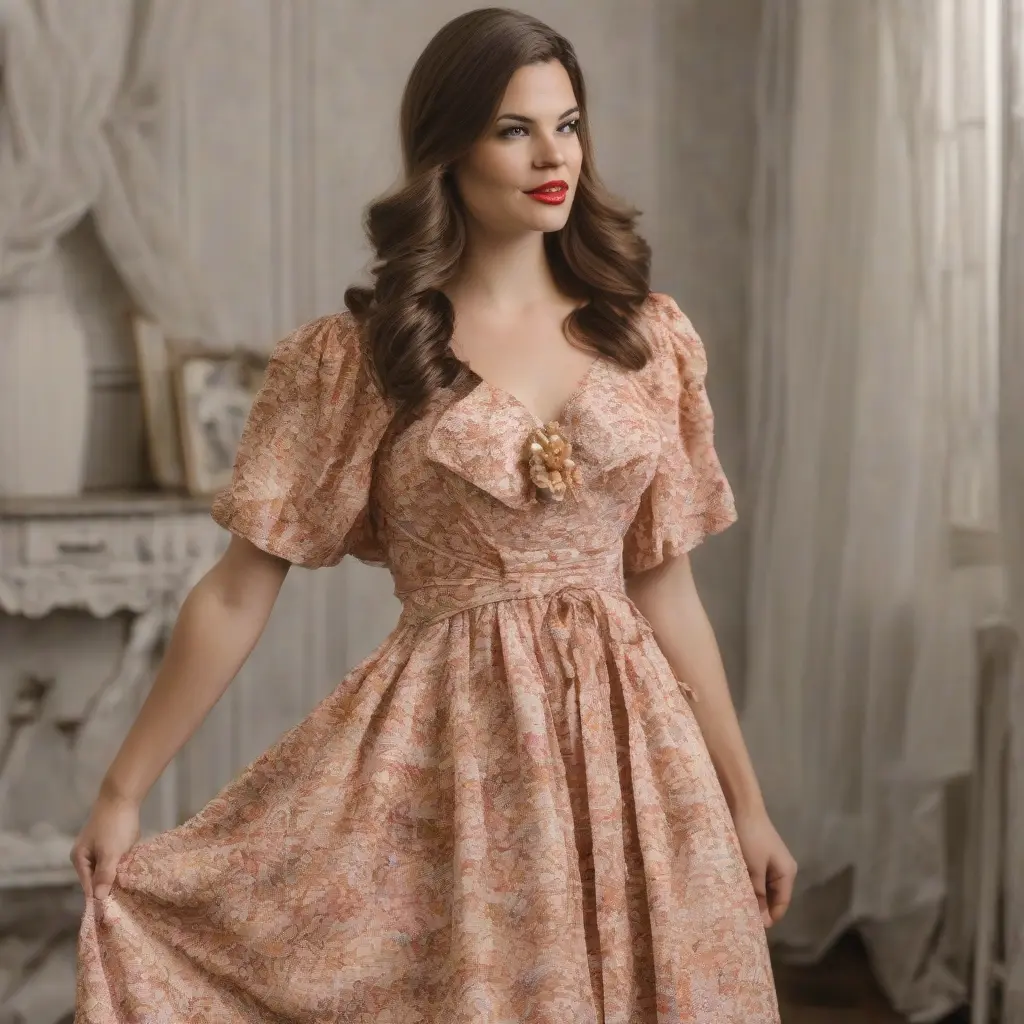
Certain vintage styles have become timeless favorites among fashion lovers. For instance, the 1920s flapper dresses, 1950s swing dresses, and 1970s bohemian styles are always in demand. Additionally, knowing specific trends, such as the maxi dress or A-line silhouette, can help you narrow down your search effectively. Each of these distinctive styles can be accessorized in various ways to suit modern fashion preferences.
Where to Shop for Vintage Dresses
Finding unique vintage dresses begins with knowing the right places to shop. Local thrift stores, consignment shops, and flea markets often have hidden gems waiting to be discovered. Additionally, online platforms like Etsy and specialized vintage websites cater specifically to vintage clothing lovers. Social media platforms also host various sellers, making it easier than ever to find distinctive pieces from the comfort of your own home.
Tips for Thrift and Vintage Shopping
When thrift shopping, it’s crucial to remain open-minded yet specific about your needs. Always take your time while browsing, as the perfect piece may be tucked away among less appealing items. Assess each dress for its uniqueness, fabric quality, and overall condition. Additionally, checking sizing is essential, as vintage sizes often differ from contemporary sizing standards. A tape measure can be a handy tool to have.
Understanding Fabric and Quality
The quality of fabric used in vintage dresses plays a significant role in durability and comfort. Common vintage fabrics include silk, cotton, and wool, each with unique care requirements. Understanding these materials not only helps in determining the longevity of a garment but also informs your care routine, ensuring your dresses maintain their beauty over time. Always inspect seams, zippers, and buttons for quality before purchasing.
How to Style Vintage Dresses
To effectively integrate vintage dresses into your wardrobe, consider mixing old and new elements. Pairing a vintage dress with modern accessories can create a balanced look that feels fresh and contemporary. Experimenting with shoes, belts, and handbags can also help in personalizing vintage outfits, catering to both casual and formal events. By layering with contemporary pieces, you can ensure your vintage finds remain relevant and stylish.
Caring for Vintage Clothing
Proper care is paramount when maintaining vintage dresses. Hand washing or dry cleaning is often recommended, as harsh chemicals can degrade delicate fabrics. Always store these garments in a cool, dry place, avoiding direct sunlight that can lead to fading. Using padded hangers instead of regular ones can also prevent stretching and damage, helping your vintage finds stand the test of time.
Joining Vintage Clothing Communities
Engaging with vintage clothing communities can significantly improve your shopping experience. Many online forums, social media groups, and local clubs bring together enthusiasts who share tips, trends, and even swapping opportunities. Being part of these communities allows you to stay updated on the latest vintage markets and sales, making it easier to discover unique pieces while connecting with like-minded individuals.
Conclusion
In conclusion, finding unique vintage dresses involves a blend of knowledge, patience, and creativity. By understanding vintage fashion, shopping wisely, and caring for your finds, you can build a wardrobe that reflects your individuality. Embracing vintage fashion is not merely about style; it’s about valuing history and expressing personal narratives through clothing.