Navigating extreme weather conditions requires careful planning, especially regarding outerwear. Choosing the right clothing not only ensures comfort but also protects against elements such as wind, rain, and extreme temperatures. This guide will delve into the essential factors to consider when selecting outerwear, highlighting various types of materials, design features, and layering techniques. Understanding these aspects will help you make informed decisions, ensuring you are well-equipped for any severe weather scenario.
Understanding Weather Conditions
Before selecting outerwear, it’s crucial to understand the specific weather conditions you may encounter. Extreme weather can include heavy snow, intense winds, torrential rain, and extreme temperatures. Each weather type demands different features from your outerwear. For instance, jackets suited for snow need insulation for warmth, while those for rain require waterproof materials to keep you dry. Understanding these conditions helps zero in on the ideal types of outerwear for your needs.
Material Matters: Choosing the Right Fabric
The material of your outerwear plays a significant role in its performance against extreme weather. Common options include Gore-Tex, which is waterproof yet breathable, and down insulation, which excels in trapping heat. For wet conditions, look for outerwear made with durable water repellent (DWR) treatments. Similarly, fleece is a popular choice for layering, providing warmth without bulk. Knowing these materials will help you select outerwear that balances comfort and functionality.
The Importance of Insulation
Insulation is vital for maintaining body heat in cold weather. There are several types of insulation, including down and synthetic fibers, each with pros and cons. Down insulation is lightweight and compressible but loses effectiveness when wet. Synthetic insulation, on the other hand, retains heat even when damp but may be bulkier. Depending on your activities and the expected weather, understanding insulation options will guide you to select the best outerwear for warmth.
Features to Look for in Extreme Weather Outerwear
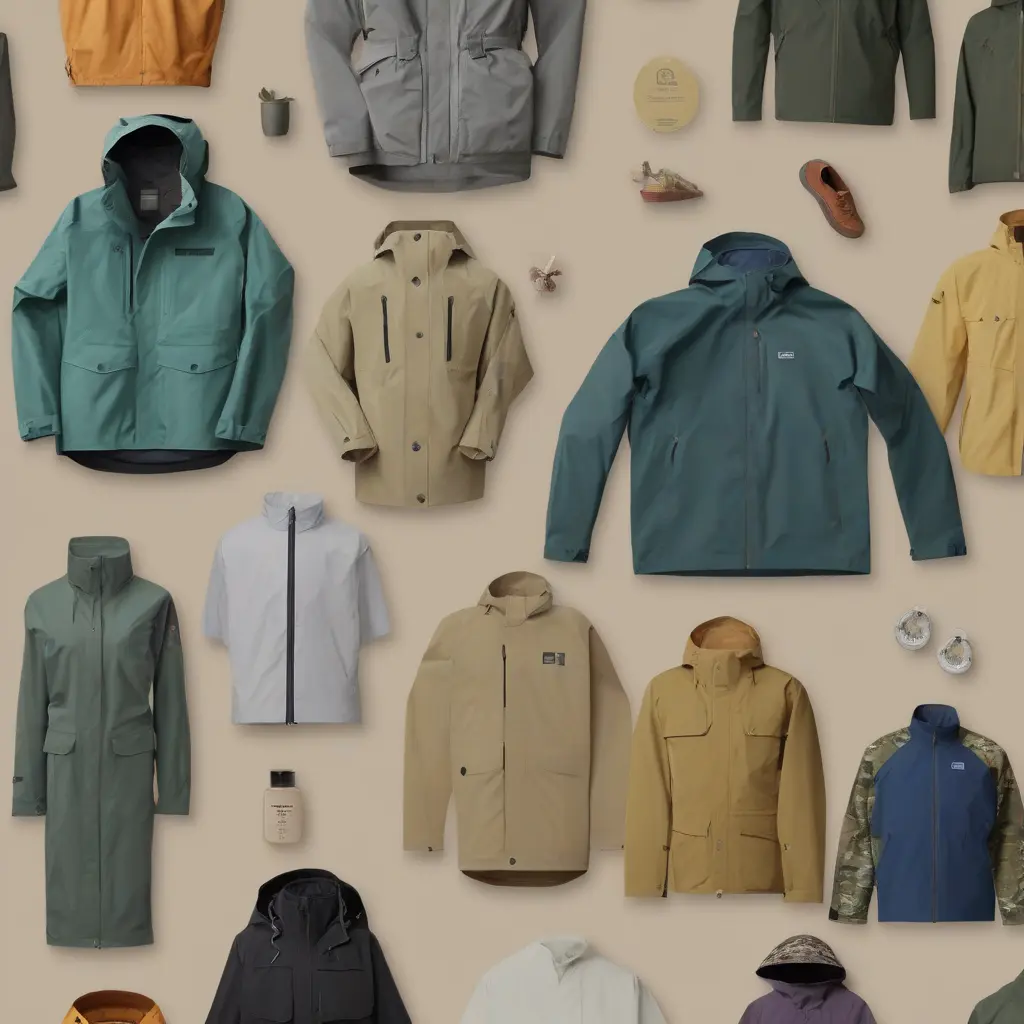
When shopping for outerwear, specific features can enhance performance in extreme weather. Look for adjustable hoods, cuffs, and hems to keep out the elements, as well as ventilation zippers to improve breathability. Pocket placement is also essential; having accessible pockets can make a significant difference during outdoor activities. These features not only improve comfort but also the overall effectiveness of the outerwear in protecting against harsh conditions.
Layering Techniques for Added Protection
Layering is an essential technique for staying warm in extreme cold. The three-layer system consists of a moisture-wicking base layer, an insulating mid-layer, and a protective outer layer. The base layer keeps sweat away from the skin, the mid-layer provides insulation, and the outer layer protects against wind and rain. Properly layering your clothing allows for versatility and adaptability to changing weather conditions, optimizing warmth and comfort.
Footwear for Extreme Weather
Appropriate footwear is as important as outerwear for extreme weather conditions. Waterproof boots with insulation are essential for snow and slush, while breathable sandals may be suited for humid conditions. Look for features like slip-resistant soles for icy terrains and removable insoles for comfort. Prioritizing footwear that matches specific weather conditions will ensure your feet remain warm and dry, which is critical for overall comfort during outdoor adventures.
Accessories to Complete Your Outfit
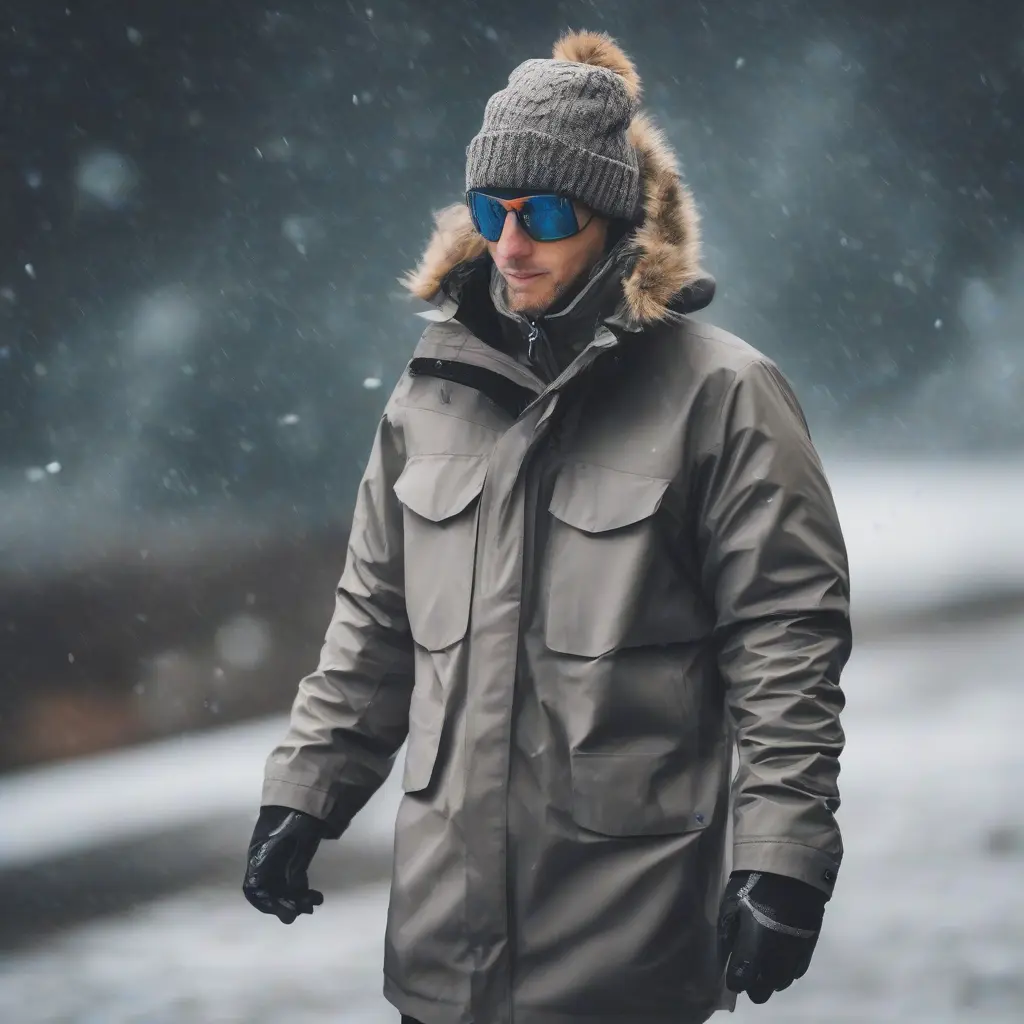
No outfit is complete without accessories that provide additional protection during extreme weather. Hats, gloves, and scarves are critical for retaining body heat and protecting exposed skin. In icy conditions, insulated gloves and thermal hats play an essential role in maintaining warmth. Additionally, choosing accessories that are both functional and stylish can provide protection without compromising on aesthetics, ensuring you look good while staying protected from the elements.
Maintaining Your Outerwear
Proper maintenance of your outerwear extends its lifespan and effectiveness. Regular washing according to the manufacturer’s guidelines helps remove dirt and maintain water repellency. Using specific detergents designed for technical fabrics can ensure the materials retain their performance characteristics. Additionally, reapplying water-resistant treatments can enhance your outerwear’s capability to withstand extreme weather. Taking the time for upkeep will maximize your investment in quality outerwear.
Conclusion
Choosing the right outerwear for extreme weather conditions is crucial for safety and comfort. By understanding materials, insulation, features, layering techniques, and maintenance, you can make informed decisions that ensure protection against harsh elements. Investing in high-quality outerwear tailored to your specific needs will enhance your outdoor experiences, whether you are navigating snowy trails or braving stormy weather.