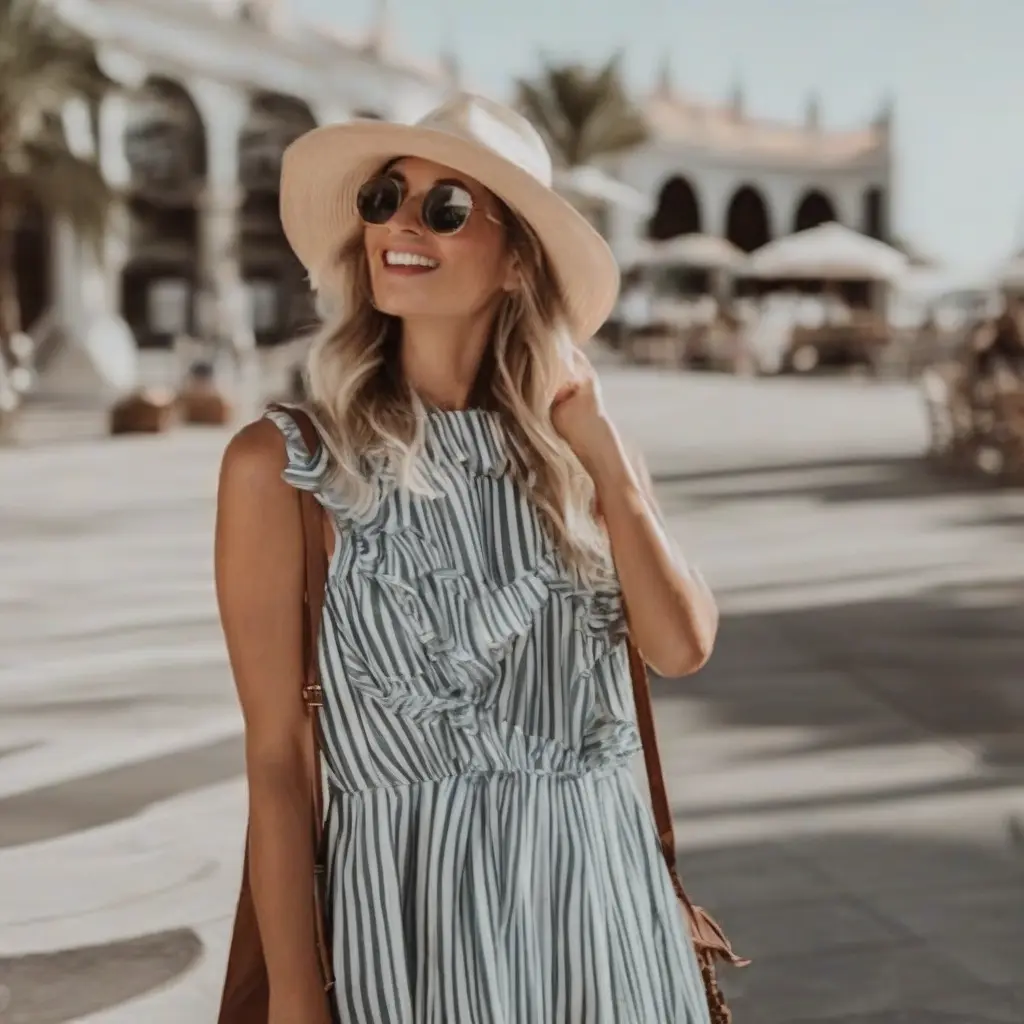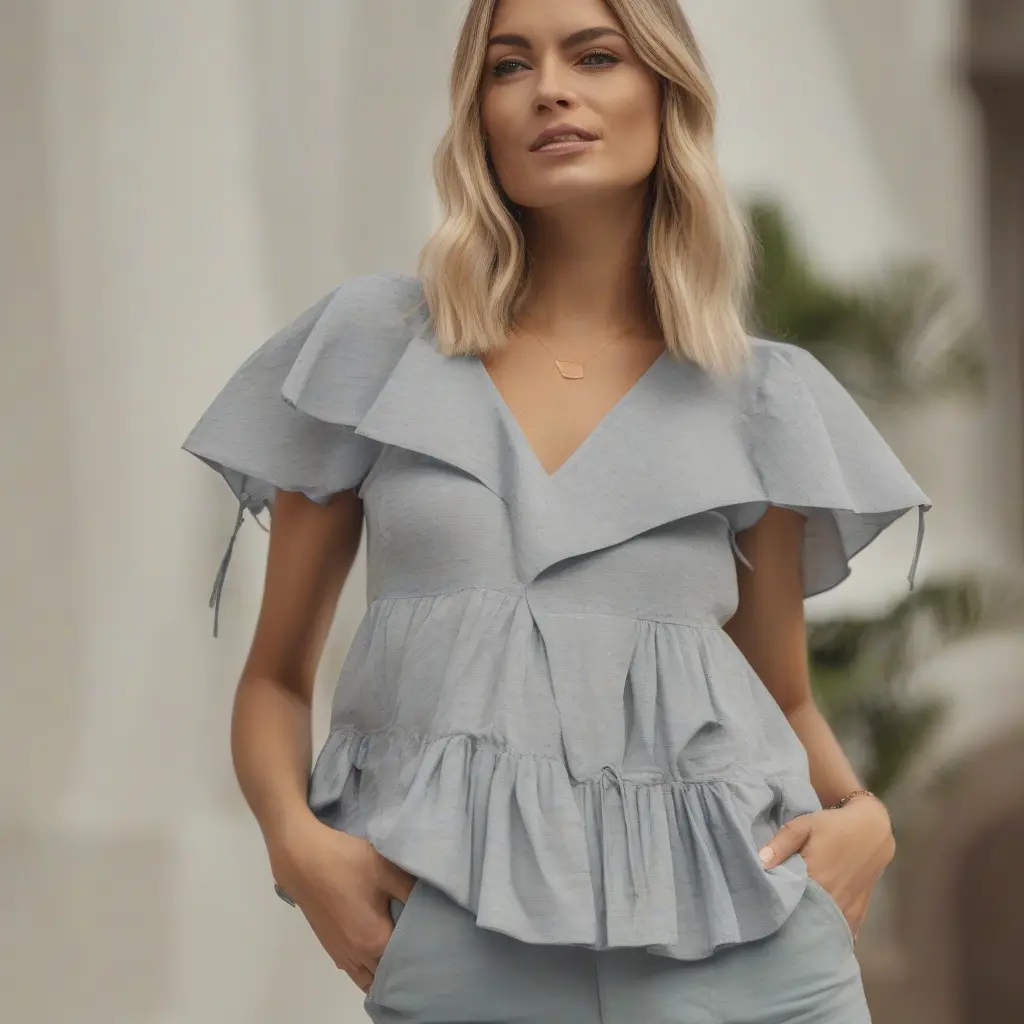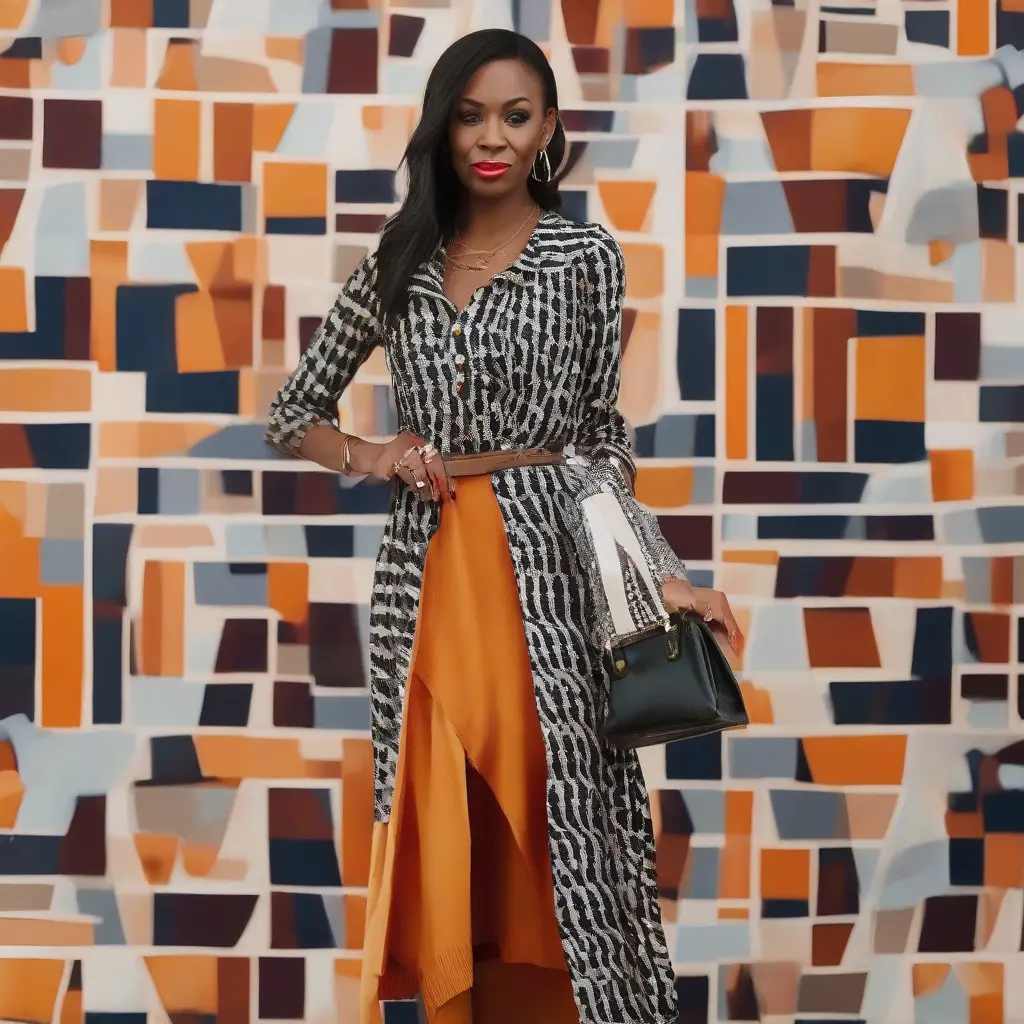
Mixing patterns with dresses is an exciting way to express yourself and create a unique fashion statement. This bold approach to styling can elevate any outfit, making it memorable and full of personality. Whether you’re pairing stripes with florals or polka dots with plaids, the key lies in understanding proportions, color palettes, and the overall vibe you wish to convey. In this article, we will explore essential tips to help you master the art of mixing patterns, ensuring you remain stylish while showcasing your individuality.
Understanding Pattern Mixing Basics
Before diving into mixing patterns with dresses, it’s crucial to understand the basic principles that govern effective pattern pairing. Start by considering the scale of your patterns. A general rule of thumb is to mix large and small prints; large prints can dominate the visual space while smaller prints provide a subtle contrast. Additionally, ensure there’s a clear distinction between the types of patterns, as this can prevent visual confusion. By grasping these fundamentals, you’ll be well on your way to curating stylish ensembles that feel cohesive.
Choosing a Color Palette
A well-defined color palette is essential when mixing patterns. Aim to select a dominant color that appears in both patterns; this acts as a visual bridge, uniting the pieces in your outfit. Neutral colors can also play a supportive role in balancing bold patterns, ensuring your ensemble doesn’t become overwhelming. If you opt for vibrant hues, consider incorporating a grounding neutral, such as black or white, to keep your look refined. Thoughtful color coordination is key to achieving a bold yet harmonious outfit.
Incorporating Texture
Texture adds another layer of interest when mixing patterns with dresses. Different fabrics can affect how patterns interact visually and can enhance the overall appeal of your look. For instance, pairing a floral cotton dress with a structured tweed jacket can provide a delightful contrast. Incorporating various textures can also ground your outfit, ensuring that no single pattern overpowers the others. Pay attention to how different materials interact; this can be the difference between a stylish ensemble and a chaotic one.
Balancing Proportions
Balancing proportions is critical when mixing patterns. The size of each print should complement the overall silhouette you’re aiming to create. If your dress features a bold print, consider keeping accompanying patterns smaller or subtler. The overall goal is to create a visual flow in your outfit, where one print leads the eye naturally to the next without creating discord. Striking the right balance lends sophistication to your look, ensuring it feels elegant rather than haphazard.
Layering for Depth
Layering can be an effective technique in mixing patterns with dresses. By adding layers like cardigans, jackets, or scarves, you can introduce additional patterns to your overall look while maintaining balance. For example, a patterned dress paired with a solid vest allows the dress to remain the focal point while introducing another layer of interest. However, ensure that you don’t overdo it with too many patterns; one or two layered elements are usually sufficient to keep the ensemble looking polished.
Accessorizing Wisely
Accessories play a crucial role in the art of mixing patterns. Scarves, belts, and handbags can incorporate small patterns that complement your dress while tying the look together. When choosing accessories, consider opting for solid colors or muted patterns that echo some of the colors in your dress. This way, your accessories enhance the overall theme without introducing too much complexity. Thoughtful accessorizing can indeed elevate your mixed-pattern ensemble, providing a polished finish to your bold look.
Seasonal Considerations
Seasonal considerations can greatly influence your approach to mixing patterns. For instance, lightweight fabrics like cotton and linen lend themselves well to vibrant floral patterns in the spring and summer months. Conversely, autumn and winter can support richer, more muted tones and heavier materials, allowing for deeper color combinations. Tailoring your patterns to seasonal hues and fabrics not only keeps your outfit relevant but also enhances the overall appeal of your mixed-pattern look.
Body Shape and Pattern Selection
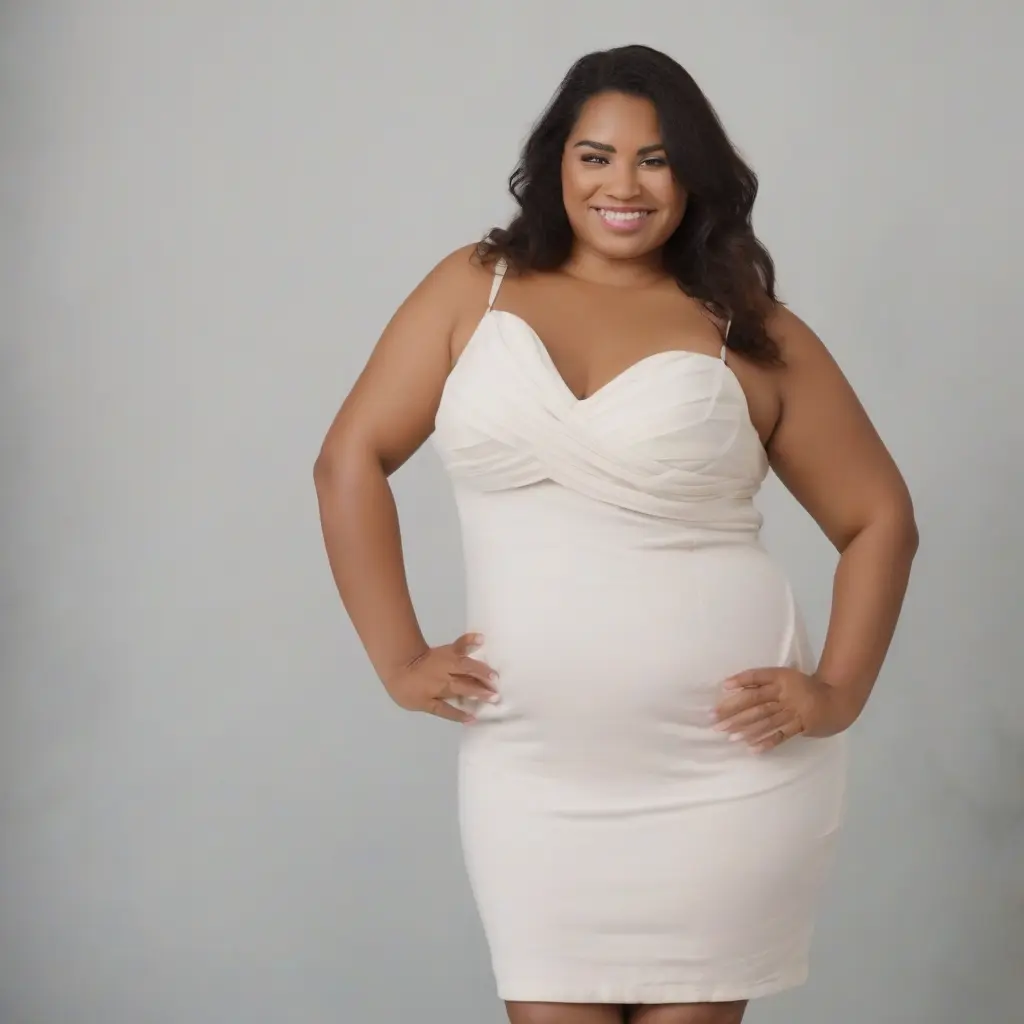
Understanding your body shape can significantly impact your choice of patterns. Certain patterns may accentuate features you want to highlight or downplay. For example, vertical stripes can elongate the figure, while bold florals might add volume. Emphasizing the parts of your silhouette you love can increase your confidence, especially when mixing patterns. Be mindful of how different patterns react with your shape, and choose those that make you feel empowered and comfortable in your own skin.
Experimenting with Prints at Home
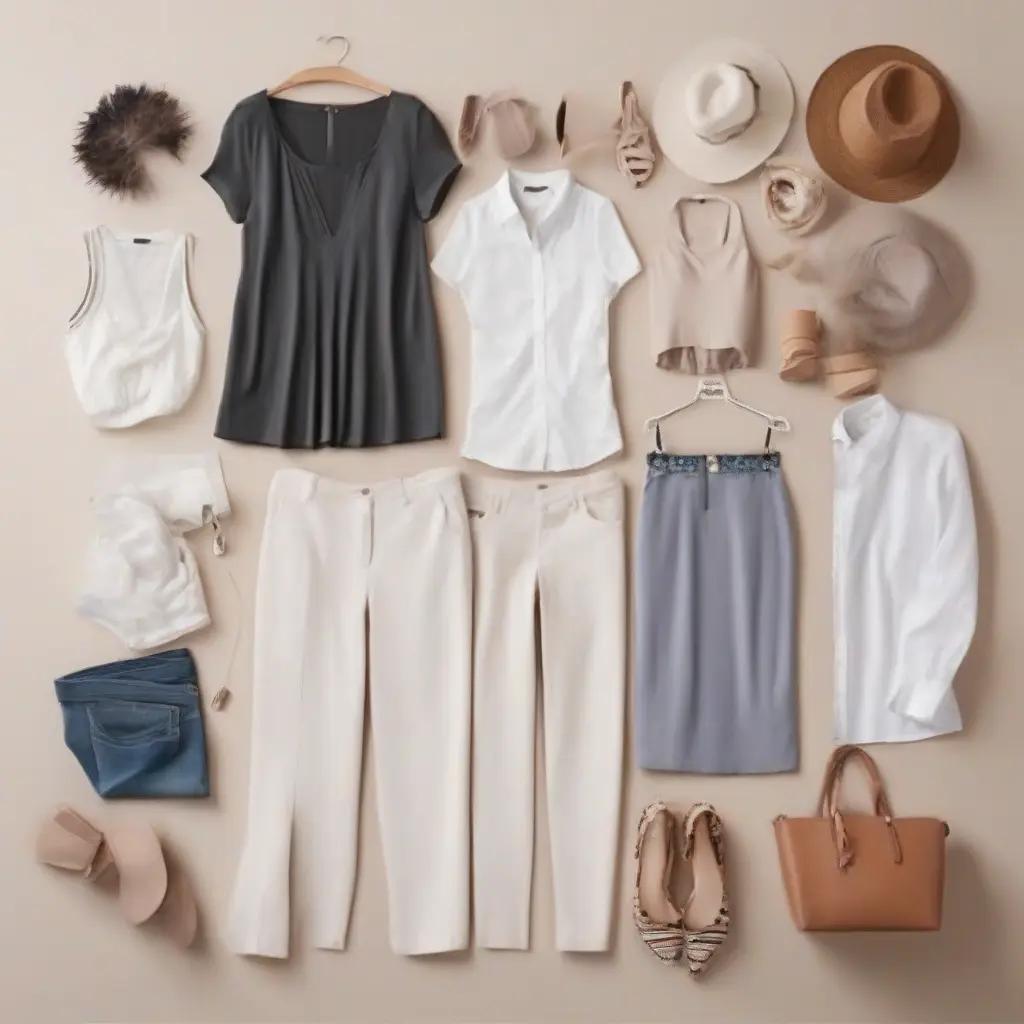
If you’re unsure about how to mix patterns effectively, experimenting at home can be beneficial. Pull together various pieces from your wardrobe and try different combinations to see what works. Use mirrors and take pictures to gain perspective on how the fabrics and patterns look together. This practice not only builds your confidence but also helps you discover innovative combinations that you might not have considered otherwise. Fashion is about experimentation, so don’t hesitate to explore your options.
Conclusion
Mastering the art of mixing patterns with dresses is an enjoyable journey that fosters creativity and personal expression. By adhering to essential guidelines, such as understanding proportions, selecting a thoughtful color palette, and experimenting with textures, you can create stunning outfits that showcase your unique style. Remember, the goal is to wear what makes you feel confident and radiant while embracing the boldness of pattern mixing. With practice and experimentation, you’ll undoubtedly master this chic fashion technique.