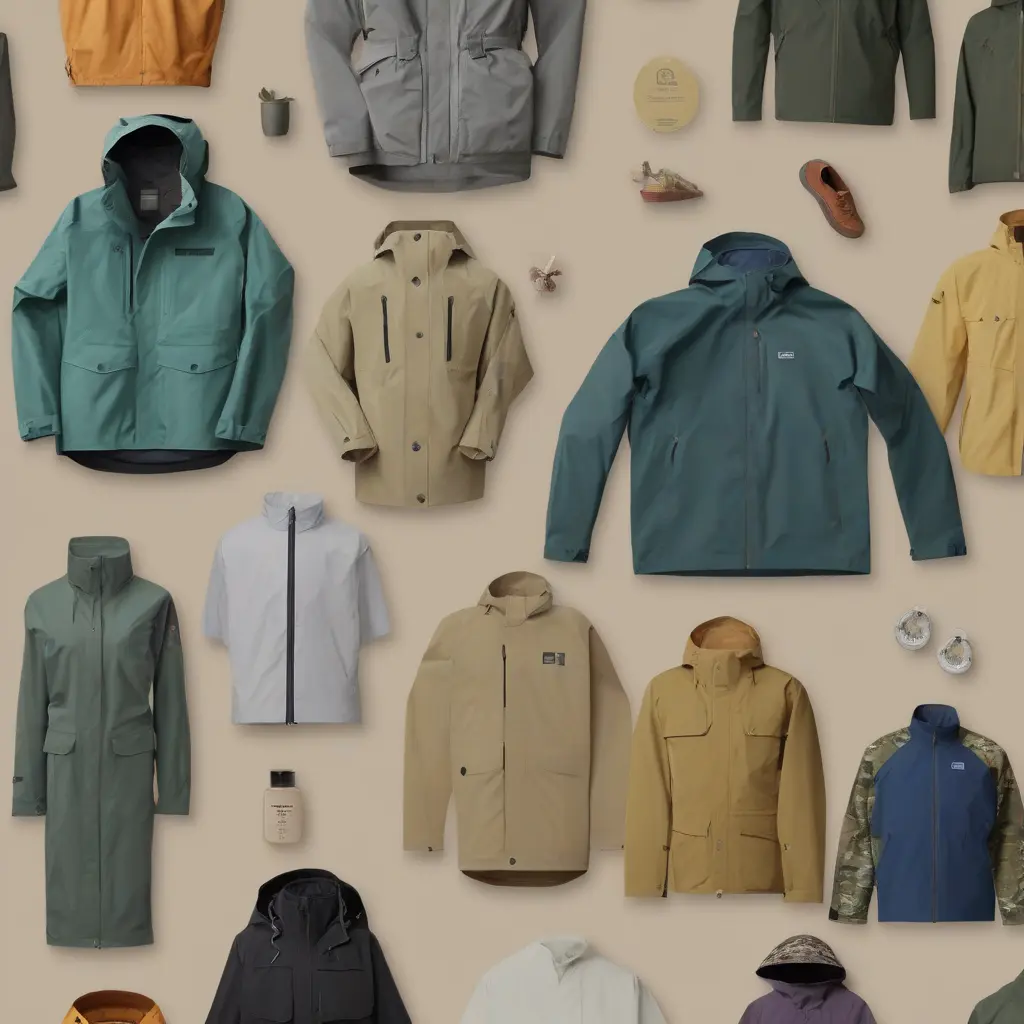
Choosing the right outerwear fabric is crucial for comfort, durability, and style. This comprehensive overview discusses various materials used in outerwear, examining their pros and cons to help you make the best decision. From lightweight options suitable for spring to heavy-duty fabrics for winter, understanding the characteristics of each fabric can enhance your outdoor experiences. This article dives into popular fabrics such as cotton, polyester, down, and more, providing insights into their performance in different weather conditions and activities.
Cotton Outerwear: Benefits and Drawbacks
Cotton is a popular choice for outerwear due to its softness and breathability. It is highly comfortable, making it great for casual wear and layering during mild weather. On the downside, cotton absorbs moisture and isn’t water-resistant, making it less ideal for wet conditions. It can also take longer to dry, which may be inconvenient for those caught in unexpected showers. Overall, while cotton offers comfort and style, it may not provide adequate protection from severe weather elements.
Polyester: Versatile and Functional
Polyester is known for its durability and moisture-wicking properties, making it a versatile option for various types of outerwear. It dries quickly and is resistant to wrinkles and shrinking, which adds to its practicality, especially for active individuals. However, it can lack breathability, which may lead to discomfort during warmer conditions. Additionally, some people may find polyester less comfortable against the skin compared to natural fabrics. Overall, polyester is an excellent choice for a wide range of activities, depending on the specific design.
Wool: Warmth and Insulation
Wool is celebrated for its excellent insulation properties, providing warmth even in damp conditions. It naturally wicks moisture away from the body, making it comfortable for both cold and wet weather. However, wool can be heavy and might not be suitable for all types of activities. Additionally, it often requires special care to maintain its shape and prevent shrinking. While wool outerwear is perfect for winter adventures, it may not be the best option for lighter or more active pursuits.
Nylon: Lightweight and Strong
Nylon is a lightweight, flexible fabric known for its incredible strength and abrasion resistance. It is often used in outerwear designed for intense outdoor activities, as it can withstand rough conditions without tearing easily. Furthermore, nylon has water-resistant properties, which enhances its utility during rainy weather. However, it may not provide as much insulation as heavier fabrics, making it less suitable for extreme cold. Overall, nylon is a practical choice for versatile outerwear that integrates both comfort and performance.
Down Fill: Superior Insulation
Down fill is made from the soft feathers of ducks or geese and is renowned for its superior insulation properties. It is lightweight yet highly effective at retaining heat, making it an exceptional choice for winter outerwear. However, down can lose its insulating abilities when wet, requiring careful handling in wet conditions. Additionally, some people may have ethical concerns regarding its sourcing. For those seeking warmth in freezing temperatures, down-filled jackets are a popular, high-performance option, provided they are used appropriately.
Synthetic Insulation: A Practical Alternative
Synthetic insulation materials, such as polyester fill, provide warmth and loft without the downsides of natural down. These materials perform well even when wet and retain insulating properties, making them versatile for various weather conditions. Moreover, synthetic insulation is often more affordable than down, appealing to budget-conscious consumers. However, it may not pack down as small as down, making it less compressible for travel. For everyday wear and moisture-prone environments, synthetic insulation serves as a reliable and functional alternative.
Fleece: Comfort and Layering
Fleece is a soft, lightweight fabric often used in jackets and pullovers, combining comfort with functionality. It provides warmth without excessive weight, making it ideal for layering in cooler weather. Fleece also dries quickly and is resistant to moisture, enhancing its usability during physical activities. However, it can pill over time, diminishing its aesthetic appeal. Overall, fleece is a practical option for casual outings and moderate climates, providing comfort without sacrificing performance.
Leather: Style and Durability
Leather outerwear combines timeless style with durability, making it a popular choice for jackets and coats. Its natural resilience and ability to age beautifully set it apart in the fashion realm. However, leather requires proper care to maintain its condition and is generally not waterproof unless treated. It can also be quite heavy and may not be suitable for high-mobility activities. While leather offers a sophisticated look, its practicality may depend on personal lifestyle and climate considerations.
Choosing the Right Fabric for Your Needs
When selecting outerwear, consider factors such as climate, activity level, and personal style. Different fabrics serve unique purposes, and understanding their characteristics can guide your choice. For instance, if you’re seeking warmth for winter sports, down or synthetic insulation may be best. Conversely, for daily casual wear, cotton or fleece may fit your needs. Ultimately, aligning the fabric choice with your lifestyle ensures better comfort, functionality, and satisfaction in your outerwear.
Conclusion
In conclusion, the selection of outerwear fabrics significantly impacts comfort and functionality. Each fabric possesses unique qualities that cater to different environments and activities. By weighing the pros and cons of materials like cotton, polyester, wool, nylon, down, synthetic insulation, fleece, and leather, you can make informed choices that best suit your needs. Ultimately, understanding the features of each fabric can lead to more satisfying and comfortable outerwear experiences.