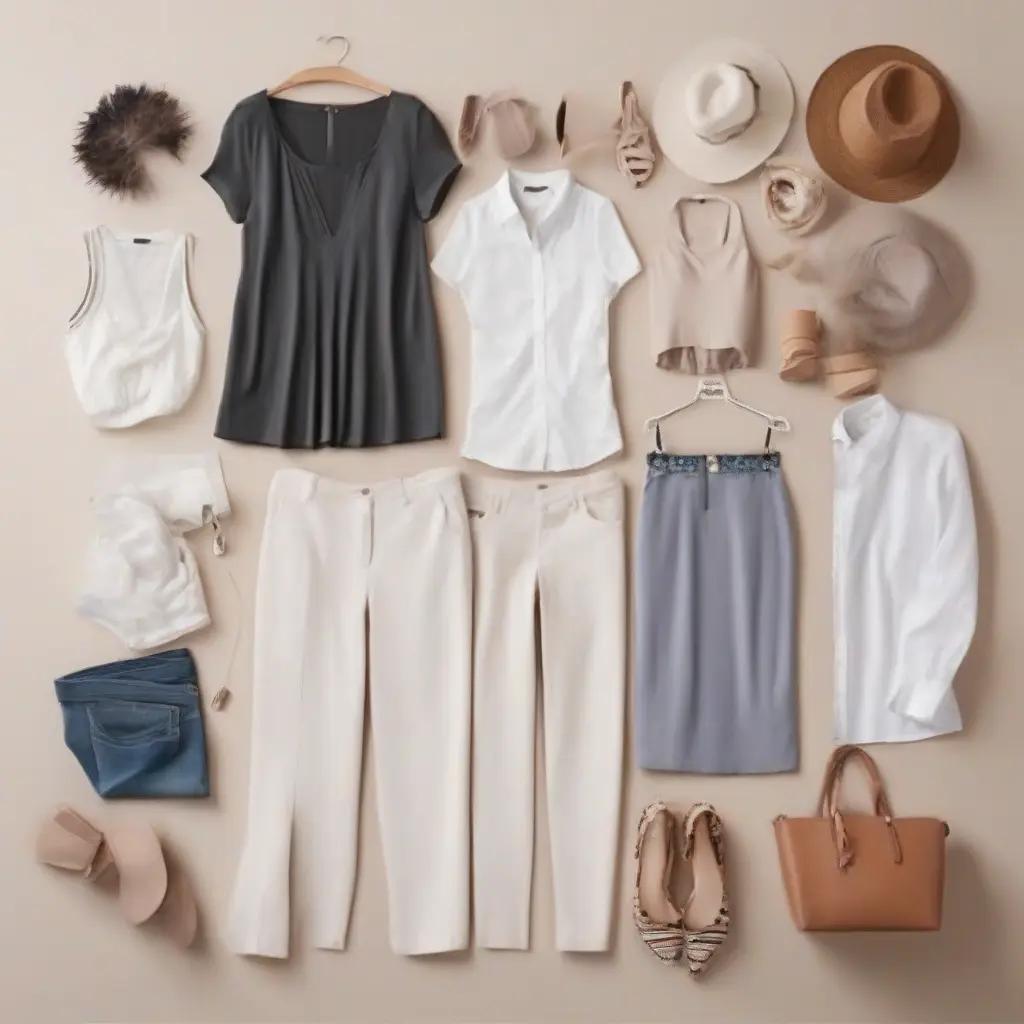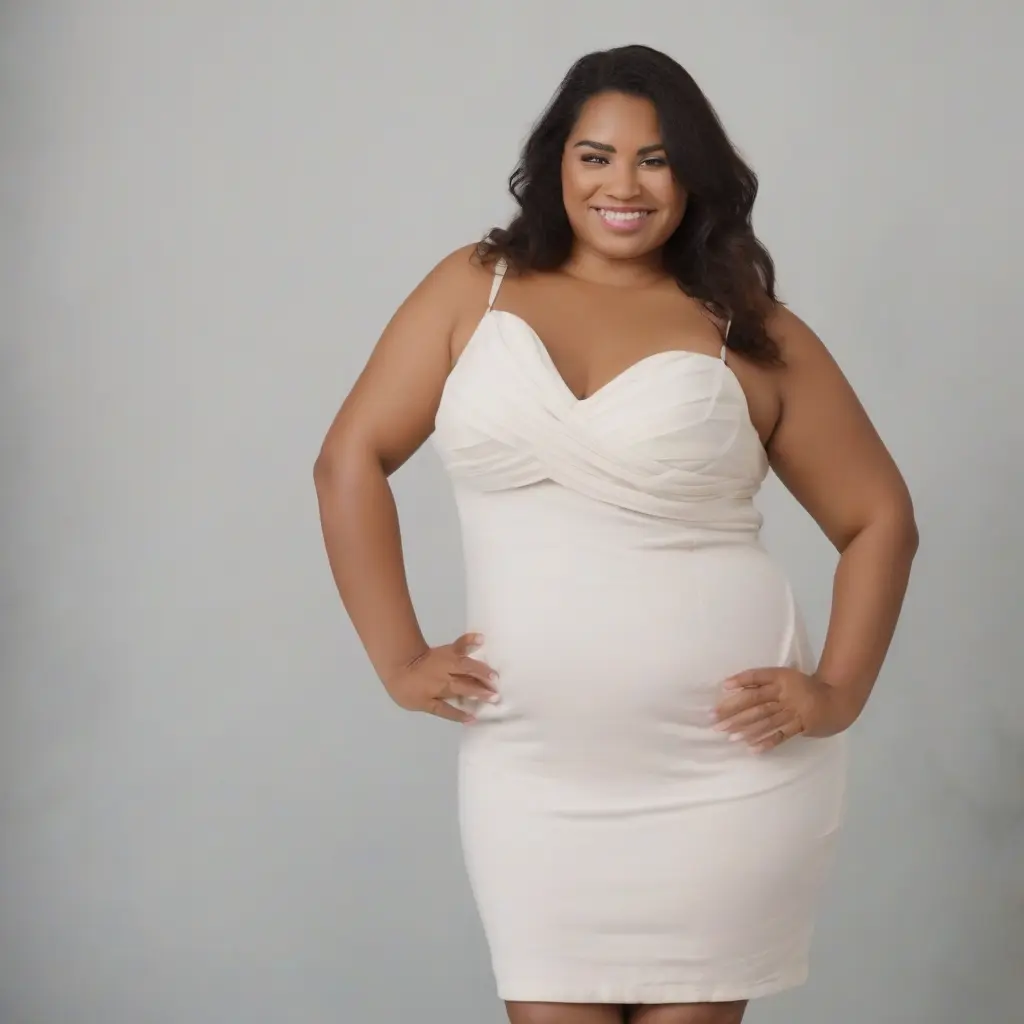
Choosing the right dress for corporate events is essential for projecting professionalism while still showcasing your personal style. The dress you wear can influence how colleagues and clients perceive you, making it crucial to find a balance between formal and fashionable. This guide offers practical tips on selecting a corporate dress that aligns with your work environment and enhances your confidence. By considering factors such as dress code, season, and personal comfort, you’ll be better equipped to make decisions that reflect your professional image.
Understanding Corporate Dress Codes
Before selecting a dress, it’s important to understand the specific dress code of your workplace. Corporate environments may have varying expectations regarding attire, from business formal to business casual. Familiarizing yourself with these guidelines ensures that your outfit is appropriate. For instance, a business formal dress often includes tailored silhouettes and conservative colors, while a business casual dress may allow for more creativity with patterns and materials. Knowing the nuances of your workplace’s dress expectations will help you make a more informed choice.
Consider the Event Type
The kind of corporate event also plays a critical role in how you choose your dress. For example, networking gatherings might require a more sophisticated appearance compared to internal meetings. If the event is after hours, you may have more freedom to opt for stylish dresses that incorporate trendy elements while remaining professional. Alternatively, a conference or formal presentation calls for dresses that project authority and confidence. Analyzing the context of the event can guide you toward a dress that is fittingly aligned with the occasion.
Choosing the Right Fabric
The fabric of your dress can significantly impact both comfort and appearance. Lightweight materials such as cotton or linen are excellent for warmer months or casual events, while heavier fabrics like wool or polyester may be preferable for colder seasons or formal occasions. Choosing the right fabric ensures that you remain comfortable throughout the event while also maintaining a polished look. Additionally, paying attention to fabric thickness can help you determine the level of formality; structured fabrics often convey a more professional image.
Fitting and Comfort
When selecting a dress, fit and comfort should be top priorities. A well-fitted dress complements your shape and enhances your confidence, while an ill-fitting one can distract you during important meetings. Take the time to try on various styles and sizes to find what works best for your body type. Additionally, consider the comfort of the dress. Ensure you can move freely, especially if you will be seated for long periods or engaging in activities. A comfortable fit allows you to focus on your professional responsibilities instead of constantly adjusting your outfit.
Color Choices for Corporate Settings
Color can play a pivotal role in how your dress is perceived in a corporate setting. Neutral shades like black, navy, and grey are generally considered safe and professional options. However, incorporating subtle colors or patterns can introduce personality while still adhering to corporate norms. When choosing colors, consider your skin tone and the impression you want to convey. For instance, lighter colors may project warmth and approachability, whereas darker shades often convey strength and authority. Striking the right balance between professionalism and personal expression is key.
Accessorizing Your Corporate Dress
Accessories can significantly complement your corporate dress, enhancing overall appearance and professionalism. Simple jewelry, like stud earrings or a delicate necklace, adds a touch of elegance without being overwhelming. Handbags, belts, and shoes should also be chosen carefully, as they can either elevate or detract from your outfit. Opt for closed-toe heels or flats that are comfortable and align with the formality of your dress. Thoughtful accessorizing can help you create a cohesive look that underscores your professionalism while allowing for personal flair.
Seasonal Considerations
Seasonality should also influence your dress choice for corporate events. In warmer months, breathable fabrics and lighter colors may be more suitable, while in winter, layered options with heavier fabrics might be necessary. Seasonal events can also inspire color choices; spring may invite florals or pastels, while autumn encourages richer, deeper hues. Consider the venue and the climate on the day of the event to ensure your attire is comfortable, appropriate, and aesthetically pleasing, helping you to navigate corporate functions with ease.
Maintaining Professionalism Without Losing Style
It’s possible to maintain a professional facade while incorporating style into your corporate dress. Opting for classic silhouettes with modern twists, such as asymmetrical hemlines or unique prints, can make a statement without overshadowing your professionalism. Avoid overly flashy designs, excessive cutouts, or overly bold colors that may distract from your intended image. Striking the right balance between trendy and timeless will ensure that your outfit resonates well in a corporate atmosphere while allowing your personality to shine through.
Final Touches Before the Event
Before the event, take some time for final touches to ensure your dress is on point. Ironing your dress and ensuring there are no stains or loose threads is crucial for a polished look. Additionally, consider grooming aspects such as hair and makeup, which can enhance your overall appearance without overpowering it. Allow yourself enough time to prepare, giving you the confidence to present yourself effectively. Careful attention to these final details can ensure you arrive at the event looking and feeling your best.
Conclusion
Choosing the right dress for corporate events requires careful consideration of factors such as dress codes, event types, fabrics, and personal comfort. By taking these aspects into account, you can select an outfit that projects professionalism while still reflecting your personal style. Staying informed about your workplace’s expectations and being mindful of seasonal influences and accessorizing can also contribute to your overall appearance. Ultimately, making thoughtful choices will empower you to navigate corporate settings with confidence and style.