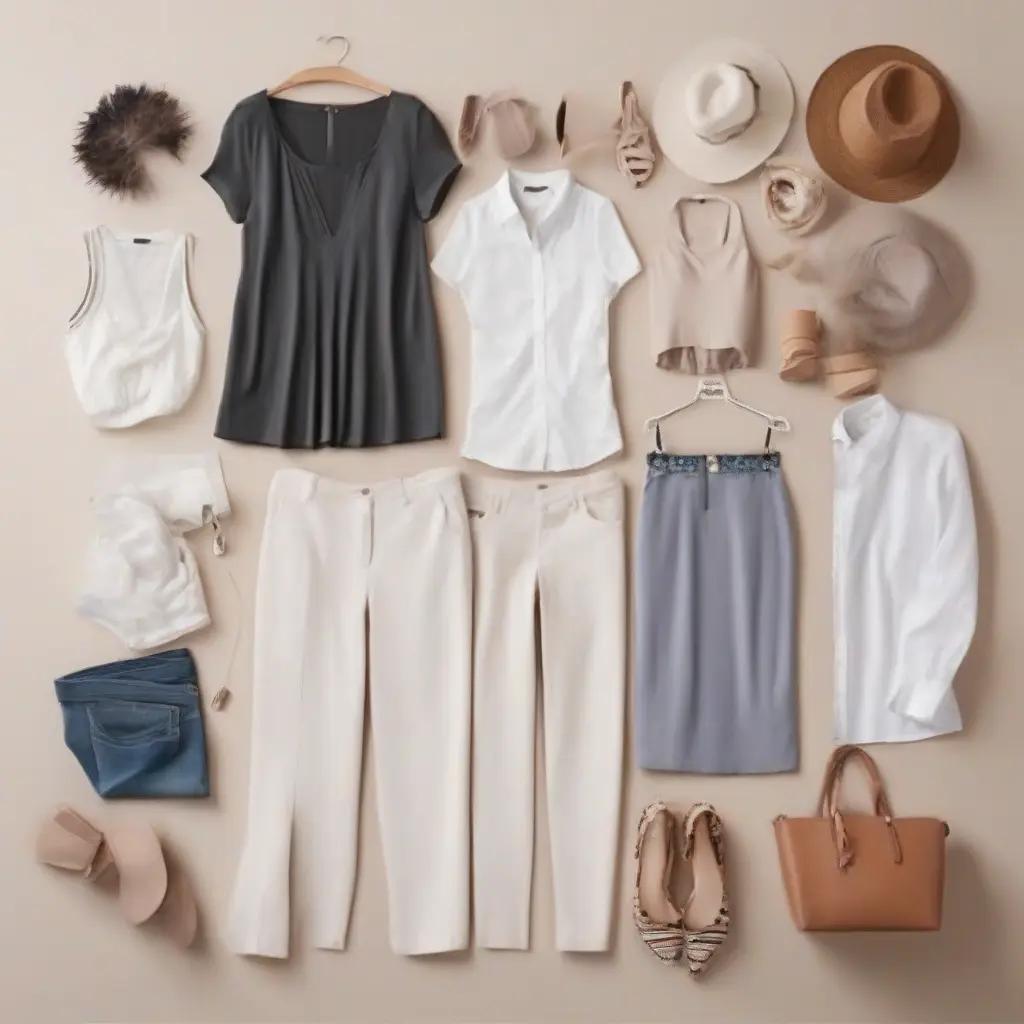
Wearing a white dress can make a bold fashion statement that combines elegance and simplicity. However, there are important considerations that can either enhance or detract from your overall look. From fabric choice to accessorizing, understanding the dos and don’ts can ensure that your white dress is a stunning success. In this comprehensive guide, we will explore various aspects of wearing white dresses, covering everything from outfit pairings to suitable occasions, to help you make informed style choices.
Choose the Right Fabric
The choice of fabric plays a crucial role in how a white dress looks and feels. Lightweight materials like cotton, linen, and chiffon can create a breezy, summery vibe, perfect for daytime wear or casual outings. In contrast, heavier fabrics like silk and satin are excellent for evening events and formal occasions, reflecting a more sophisticated aesthetic. Always consider the season and the occasion when selecting fabric, as this can greatly influence your comfort and style.
Accessorize Wisely
Accessories can make or break your white dress ensemble, so it’s essential to choose wisely. Opt for colorful or metallic accessories to create a striking contrast with the white dress, drawing attention to your overall look. Consider wearing statement jewelry, such as bold necklaces or oversized earrings, to add flair. Additionally, handbags, shoes, and belts in complementary colors can elevate your outfit, ensuring it looks cohesive and thoughtfully put together.
Check for Transparency
One of the primary concerns when wearing a white dress is transparency. To avoid unintentional exposure, choose dresses with lining or those made from thicker fabrics that provide adequate coverage. Alternatively, consider wearing nude undergarments or shapewear underneath to maintain discretion. Furthermore, always check how the dress looks in various lighting conditions, as bright lights can sometimes reveal more than intended.
Consider Your Skin Tone
Skin tone significantly influences how a white dress appears on you. Opt for warm white or off-white shades if you have a warm skin tone, while cooler skin tones often shine in crisp, pure white dresses. Additionally, various tints of white can complement different complexions, enhancing your natural beauty. Testing a few shades against your skin can help you determine which works best, ensuring you feel confident and radiant.
Dress Appropriately for the Occasion
The context in which you wear a white dress matters greatly. For casual outings, consider simpler designs or casual cuts, while more elaborate styles are appropriate for formal events and weddings. Assess the dress code, and choose a white dress that aligns with the function of the event. Being appropriately dressed not only boosts your confidence but also reflects respect for the occasion and its hosts.
Be Mindful of Stains
White dresses can be notoriously challenging to keep clean, as stains are more visible. Before wearing a white dress, consider the activities you’ll be engaging in, and avoid situations where food, drinks, or dirt may be involved. Additionally, investing in fabric protection sprays can provide an extra layer of defense against stains, allowing you to enjoy your outing without constant worry about potential mishaps.
Layer Smartly
Layering can add dimension to your white dress while providing warmth during cooler seasons. A denim jacket or a stylish cardigan can work well for casual settings, while a tailored blazer can elevate your look for business or formal occasions. Ensure that the layers complement both the style and fabric of the dress to maintain a polished appearance. The right layering choice can reflect your personal style and make your outfit more versatile.
Choose the Right Footwear
Footwear selection can significantly influence the overall effect of your white dress. For a casual day out, opt for sandals or sneakers that provide a relaxed vibe. In contrast, elegant heels or chic flats are more suitable for formal events, enhancing your overall presentation. Keep in mind the color and style of your shoes, ensuring they either blend seamlessly with the dress or stand out as a statement piece.
Establish a Balanced Silhouette
Creating a balanced silhouette is vital when wearing a white dress. If the dress has a loose fit, consider accessorizing with a belt to define your waist, creating an hourglass figure. Conversely, if the dress is fitted, ensure it enhances your body shape rather than clings uncomfortably. A well-balanced silhouette promotes confidence while ensuring you feel comfortable and stylish in any setting.
Stay True to Your Personal Style
Ultimately, the most important aspect of wearing a white dress is staying true to your personal style. Choose designs that resonate with you and reflect your individuality. Whether you prefer bohemian, classic, or modern styles, your comfort and confidence will shine through when you wear something that aligns with your aesthetic. Trusting your instincts will allow you to express yourself freely while embracing the versatility of a white dress.
Conclusion
Wearing a white dress can be a delightful experience that showcases your unique style. By understanding the dos and don’ts outlined in this guide, you can navigate fashion choices with confidence, ensuring your outfit is both appropriate and stylish. Remember to consider factors such as fabric, accessories, and occasion to master the art of wearing white. With careful thought and planning, your white dress can become a go-to staple in your wardrobe.