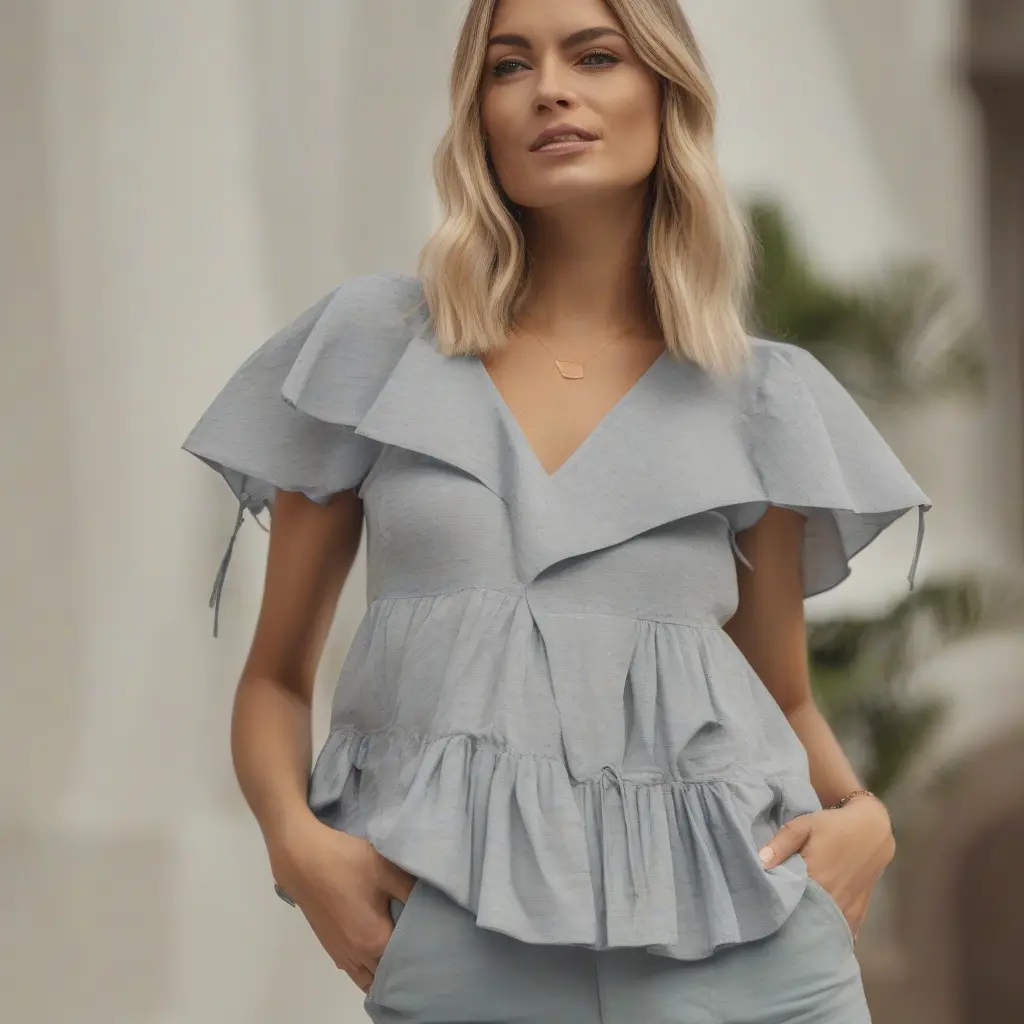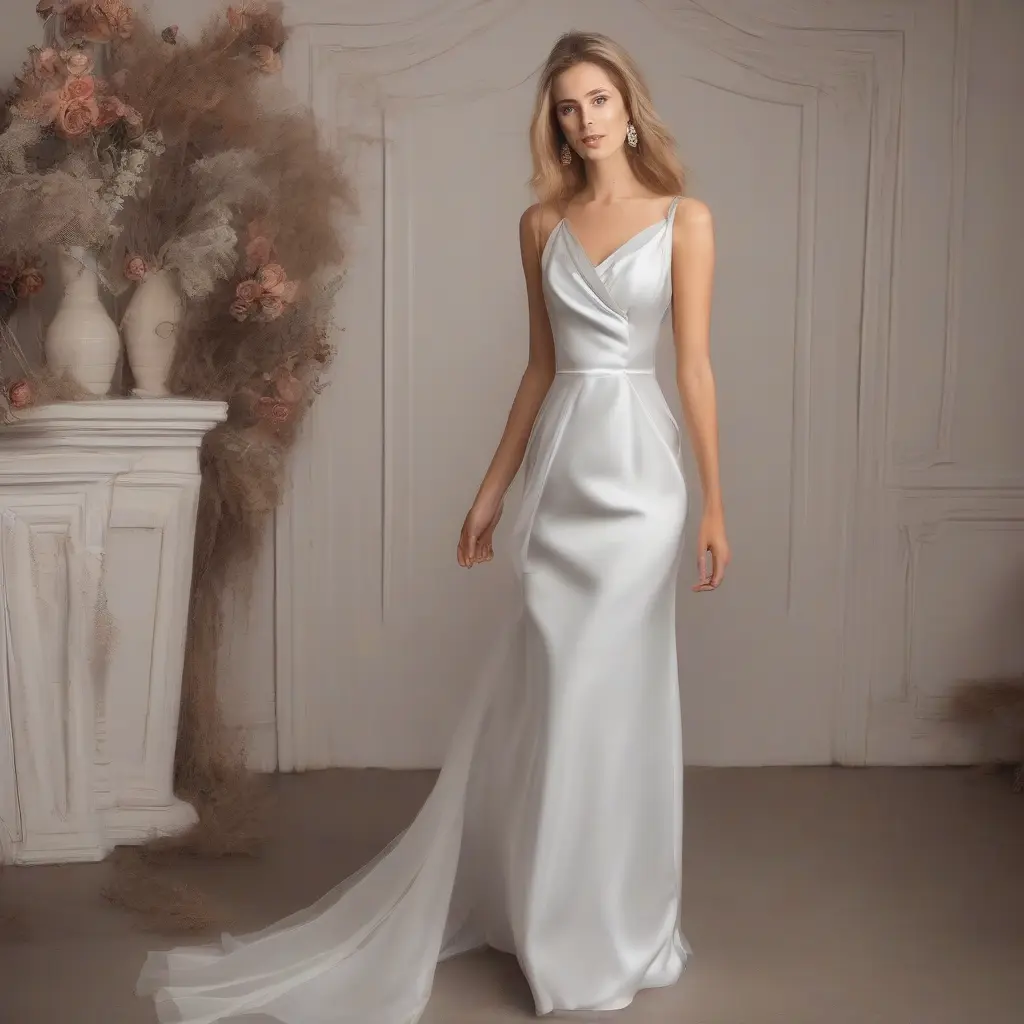
Choosing the right dress length can significantly affect your overall look at an event. Long and short dresses each have unique advantages and styles. Whether it’s a formal gathering or a casual outing, understanding the context and environment is crucial. This guide will explore various factors to consider, helping you make informed decisions about dress lengths that enhance your appearance and fit the occasion.
Understanding Dress Lengths: Long vs. Short
Dress lengths generally fall into two main categories: long and short. Long dresses typically extend to the ankle or floor, providing an elegant and formal appearance, ideal for events like galas or weddings. Conversely, short dresses, which can range from knee-length to above, offer a playful and casual vibe, suitable for parties or summer gatherings. Knowing these distinctions helps in selecting a dress that aligns with your style and the event’s theme.
Consider the Event Type
The type of event plays a significant role in your dress choice. Formal events, such as black-tie receptions or evening galas, often call for longer dresses that exude sophistication and grace. In contrast, more casual events, like backyard barbecues or informal gatherings, provide the freedom to choose shorter dresses that showcase a fun and lively spirit. Understanding the event’s dress code is essential in making the right choice between long and short options.
Seasonal Considerations for Dress Length
The season can heavily influence your choice of dress length. In warmer months, short dresses are more comfortable, allowing for better airflow and freedom of movement. They are perfect for summer weddings or outdoor events. Conversely, long dresses are typically favored during the cooler months, providing warmth and allowing for layering options. Seasonal aspects such as weather and climate help you decide which length will keep you comfortable and stylish throughout the event.
Body Type and Flattering Dress Lengths
Different body types can be complemented by various dress lengths. For example, tall individuals may find that long dresses elegantly highlight their height, promoting a chic silhouette. On the other hand, shorter individuals might prefer short dresses that create the illusion of longer legs. Knowing your body type aids in making a selection that enhances your natural shape, ensuring that you feel both comfortable and confident when wearing the dress.
Accessory Choices for Long and Short Dresses
Accessories can dramatically alter the look and feel of your dress, regardless of its length. Long dresses may be paired with elegant jewelry, such as chandelier earrings or layered necklaces, to enhance their sophisticated vibe. Meanwhile, short dresses allow for bold accessory choices, like statement belts or chunky bracelets, adding a touch of fun and playfulness. Evaluating your accessory options helps you curate a complete ensemble that reflects your personal style.
Footwear and Dress Length Compatibility
Footwear is an essential consideration when choosing between long and short dresses. Long dresses often pair well with heels or elegant sandals that elevate the overall look, providing a formal appeal. In contrast, short dresses can be styled with various footwear options, including flats, heels, or even stylish boots, depending on the occasion. Understanding how to match your dress length with the right footwear can enhance your outfit, creating a cohesive and stylish appearance.
Cultural and Religious Influences on Dress Length
Cultural and religious norms play a vital role in determining appropriate dress lengths for various events. Certain cultures may favor longer dresses for formal occasions, adhering to traditional attire customs, while others embrace shorter styles for celebratory events. When choosing between long and short dresses, it’s important to consider the cultural context and associated dress codes to ensure respect and adherence to established practices, making your choice suitable for the event.
Personal Style and Individual Preferences
Ultimately, your personal style and preferences should drive your dress choice. Some individuals feel more comfortable in the ease of a short dress, while others may prefer the elegance that comes with a long gown. Reflecting on your fashion tastes and comfort levels can lead to a confidence-boosting choice. Selecting a dress that resonates with your personal aesthetic ensures that you will not only look good but feel good during the event.
Trying on Different Dress Styles
Before making a final decision, trying on different dress styles and lengths is advisable. Retail stores and online retailers often allow for returns, making it easier to experiment. Once you try on a few options, you can see how each length suits your body type and personal style. Pay attention to how a dress flows and feels as you move, as comfort is equally important as appearance. This process helps ensure you choose the right dress length for any event.
Conclusion
Choosing between long and short dresses involves a variety of factors including the type of event, season, body type, and personal style. By taking the time to evaluate these elements, you’ll be able to make a well-informed decision that enhances your appearance and aligns with your comfort levels. Ultimately, the right dress will make you feel confident and poised, ready to enjoy any occasion that awaits you.