Finding the perfect dress size can be a daunting task for many individuals. With varying sizing standards across brands and styles, it’s essential to understand how dress sizes work and how to measure yourself accurately. This article guides you through the complexities of dress sizing, helps you decode size charts, and provides tips for trying on dresses to ensure the best fit. By knowing your measurements and the brand’s sizing system, you can enhance your shopping experience and feel confident in your outfit choices.
Understanding Dress Size Fundamentals
Dress sizes typically range from standard sizes like 0 to 16 and extend into plus sizes and petite options. Each brand may have its own sizing chart, which can lead to confusion. Standard sizes are generally based on body measurements, including bust, waist, and hip measurements. Understanding these measurements is key to determining which size may fit you best. For instance, a size 8 in one brand may fit differently than a size 8 in another, so always check individual sizing guides before making a purchase.
How to Measure Yourself for Dress Sizes
To find your ideal dress size, accurate measurements are crucial. Start by measuring your bust at its fullest part, ensuring the tape is parallel to the ground. Next, measure your waist at its narrowest point, typically above the belly button. Finally, measure your hips at the widest part. It’s best to use a soft measuring tape and check your measurements against a brand’s size chart. This process helps eliminate guesswork while shopping and ensures you choose a dress that flatters your body shape.
Shopping by Body Shape: Finding the Right Dress
Understanding your body shape can significantly influence your choice of dress styles and sizes. Common body types include hourglass, pear, apple, and rectangle shapes. Each shape has dresses that enhance your figure and create balance. For example, an hourglass shape often benefits from fitted dresses that accentuate the waist, while pear shapes may prefer A-line dresses to elongate the legs. Knowing your body type enables you to select dresses that not only fit comfortably but also highlight your best features.
Navigating Size Charts: A Vital Tool
Size charts serve as indispensable tools for identifying the right dress size. These charts typically outline measurements for bust, waist, and hips, aiding in the selection process. However, discrepancies often exist between different brands, making it essential to refer to the specific size chart for each retailer. Many online retailers include a fit guide that offers insights into how their items run—whether they are true to size, run small, or run large. Utilizing these resources can dramatically reduce returns and improve your shopping experience.
The Importance of Trying on Dresses
When possible, always try on dresses to assess the fit physically. Different fabrics and cuts can drastically change how a dress sits on your body. For instance, a stretchy fabric might feel comfortable in one size while a rigid fabric may require sizing up. Pay attention to the fit across the shoulders, bust, and waist. Always move around in the dress, bending and stretching, to ensure comfort and mobility. This step can prevent wardrobe malfunctions and ensure you feel confident in your outfit.
Seasonal Trends and Dress Sizing
Dress sizing can also reflect seasonal trends and styles that may impact how dresses fit. For instance, summer dresses may be designed with looser fits for airflow and comfort, while winter dresses often feature tighter silhouettes to allow for layering. Fashion influences sizing as well, with certain trends promoting oversized or fitted looks. Understanding seasonal variations can help you choose dresses that not only match current trends but also fit comfortably according to body shape and size preferences.
Plus Sizes and Inclusivity in Dress Sizing
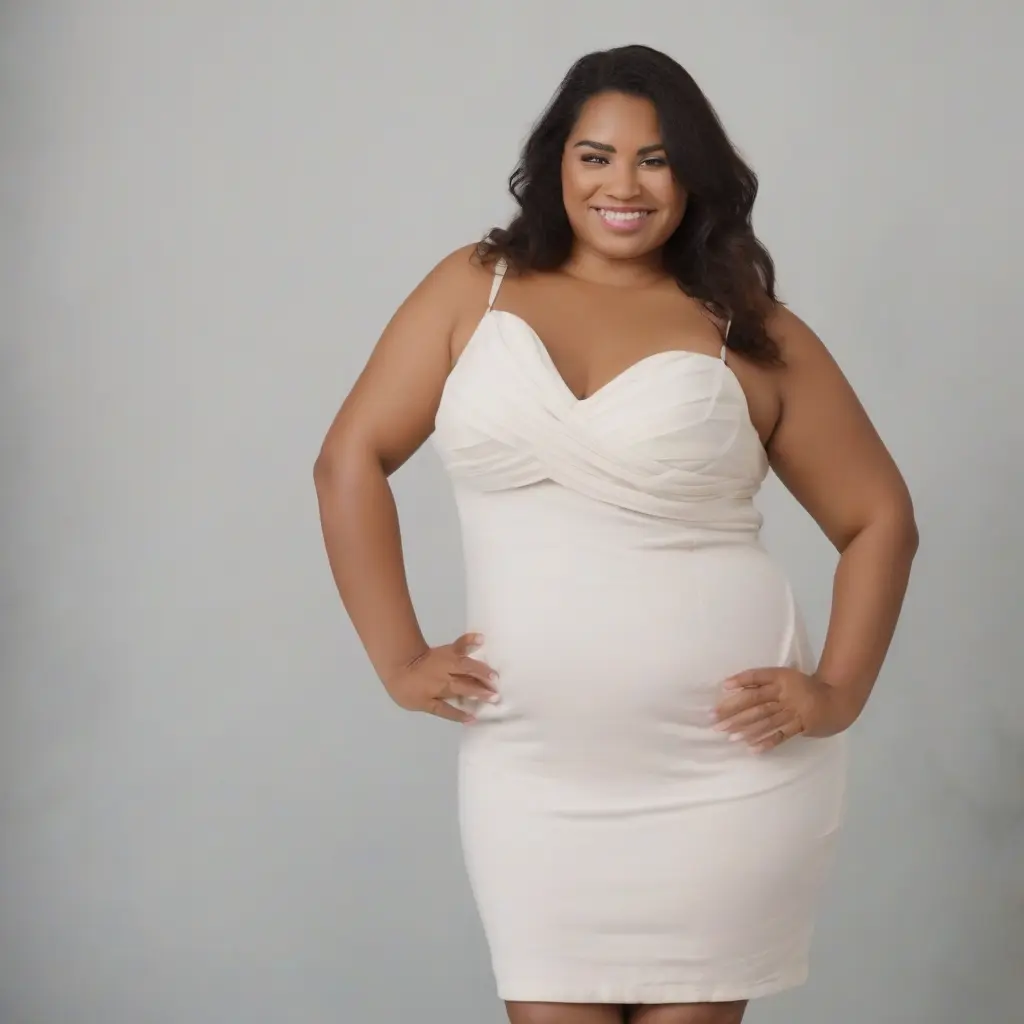
The fashion industry is progressively embracing inclusivity, leading to a more comprehensive range of plus sizes. Plus-size dresses are designed with specific considerations, including fit and proportion, to cater to a broader audience. Understanding your size within the plus range can vary significantly between retailers, necessitating a thorough review of their sizing charts. The rise of ethically conscious brands also plays a significant role, as they prioritize not only size inclusivity but also the fit and comfort of their garments, making it easier for everyone to find their perfect dress.
Alterations: Your Secret to a Perfect Fit
Sometimes, you may find a dress that you love but it doesn’t fit perfectly. This is where alterations come into play. Tailoring can transform a dress by adjusting the bust, waist, and hem to fit your unique dimensions. It’s worthwhile to invest in alterations, especially for special occasions. Many local tailors or alteration services are available to help you customize your dress, ensuring that it flatters your body and enhances your overall appearance. A well-tailored dress can elevate your outfit and provide a confident fit.
Common Fit Issues and Solutions
Fit issues are common when selecting dresses, ranging from loose areas to overly tight spots. Identifying common issues can help address them effectively. For example, if the neckline feels too tight, it’s essential to try a larger size or a different style altogether. Similarly, an overly loose waist may benefit from a belt to cinch your figure. Understanding these common fit challenges empowers you to make smarter clothing decisions, ensuring your dress complements your body rather than detracting from your confidence.
Seasonal Fabric Choices and Their Impact
The choice of fabric can substantially affect how a dress fits and feels. Lighter materials like cotton and chiffon are ideal for summer dresses, allowing for breathability and fluid movement. Conversely, heavier fabrics, such as wool or thicker knits, are better suited for winter wear. It’s essential to consider both the weight and stretch of fabric when selecting dresses, as these elements can impact sizing decisions. Always checking the fabric composition on the tags can inform you about the dress’s fit and how it will wear throughout the day.
Conclusion
In summary, understanding dress sizes and how to find your perfect fit is crucial in enhancing your wardrobe and boosting your confidence. By knowing your measurements, understanding fit challenges, and considering alterations when necessary, you can navigate the complexities of dress shopping with ease. Whether you’re shopping for casual wear or special occasions, being informed about sizing will empower you to make choices that best express your personal style.