Choosing the right weight of outerwear for your specific climate is essential to ensure comfort, warmth, and protection from the elements. Various factors influence this decision, such as temperature fluctuations, humidity levels, and typical weather patterns in your area. Understanding these elements will help you select the appropriate outerwear weight that aligns with your lifestyle and needs. This guide offers insights into how to assess your local climate, the different types of outerwear available, and tips for making informed choices.
Understanding Your Local Climate
The first step in choosing the right weight of outerwear is to understand your local climate. Identify the average temperatures during different seasons and the frequency of extreme weather conditions like rain or snow. For areas with cold winters, heavier jackets and insulated coats are essential, while milder climates may only require lightweight layers. Additionally, consider how often you engage in outdoor activities, as this can influence the level of insulation you need in your outerwear to maintain comfort.
Types of Outerwear and Their Weight
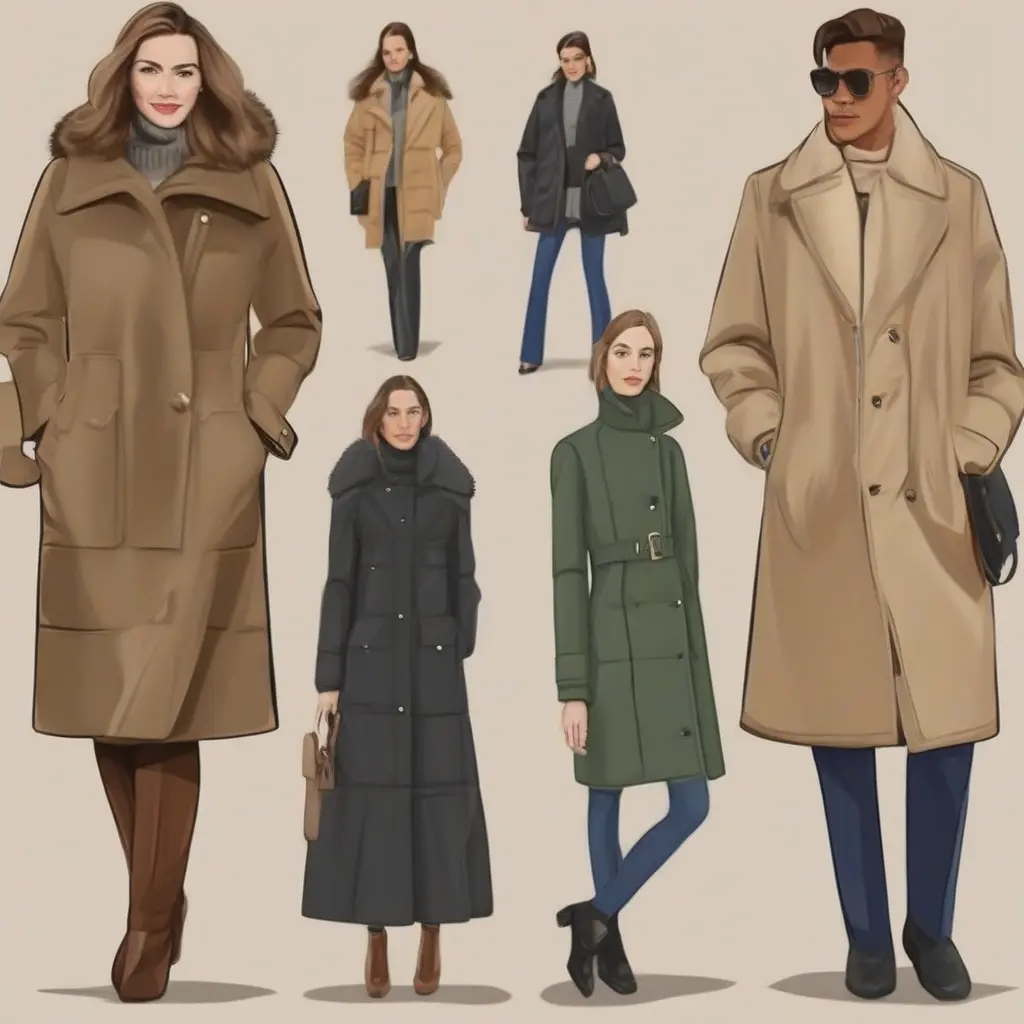
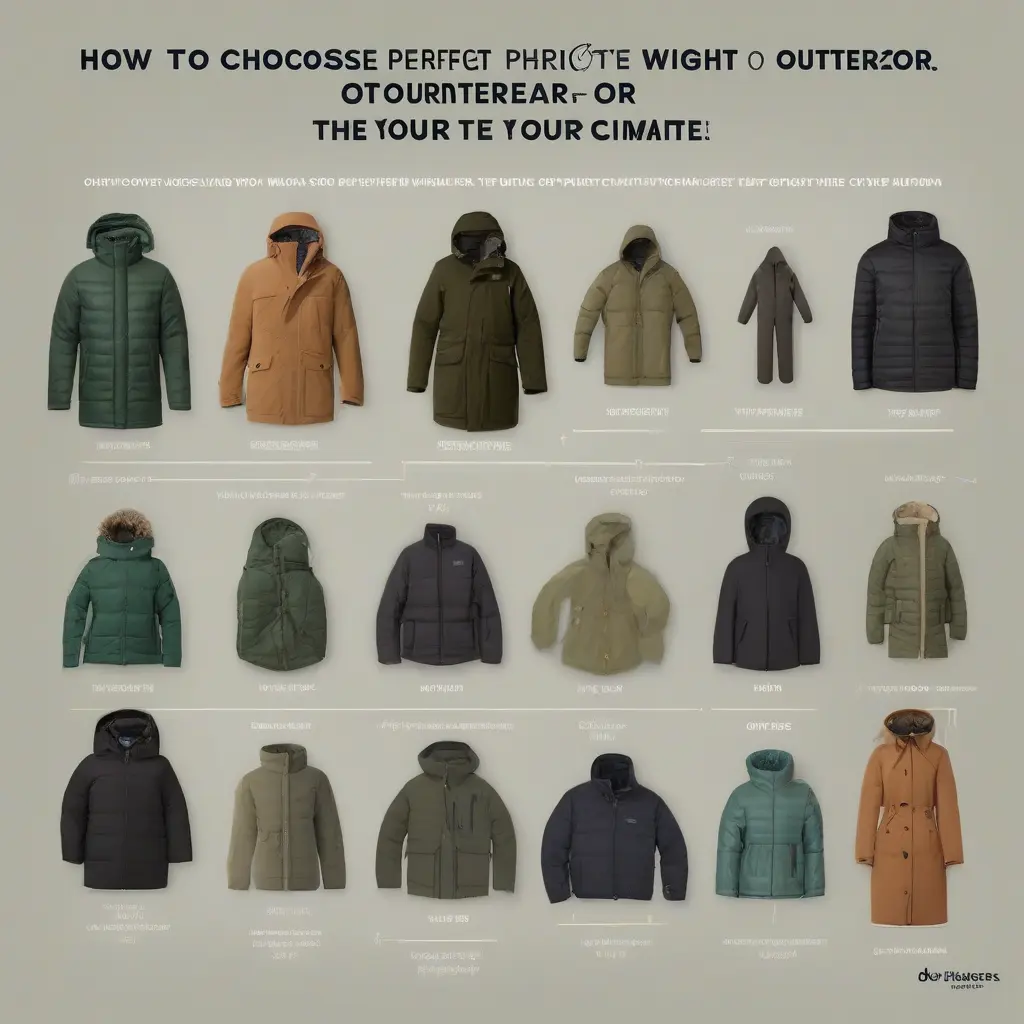
Outerwear comes in various styles and weights, each designed for specific weather conditions. Lighter options, such as windbreakers or lightweight jackets, are suitable for mild and transitional weather. For colder climates, consider insulated jackets, down coats, or parkas, which provide significant warmth without excessive bulk. Understanding the insulative properties of materials such as down, synthetic fills, and fleece can also aid in selecting the appropriate weight for your needs.
Material Matters: Insulation and Fabrics
The materials used in outerwear significantly affect its warmth and overall weight. Natural insulations like down are known for their warmth and lightweight properties, making them ideal for cold climates. However, they may not perform well in wet conditions. Synthetic insulation options, like polyester, are often water-resistant and provide warmth even when damp. Additionally, the fabric’s breathability and weatherproof qualities, such as Gore-Tex or similar membranes, are crucial in ensuring you stay comfortable during different weather conditions.
Layering: The Key to Versatility
Layering is an effective strategy for adapting to varying temperatures throughout the day. By combining lightweight base layers with heavier outer layers, you can achieve optimal comfort no matter the weather. A foundational base layer, such as moisture-wicking fabric, can help manage sweat, while mid-layers like fleece jackets offer additional insulation. An outer shell, whether lightweight or heavy, should provide the final barrier against wind and moisture, ensuring you are adequately equipped for any climate.
Considering Activity Level and Lifestyle
Evaluate your lifestyle and activity level when selecting outerwear weight. If you often participate in outdoor activities, such as hiking or skiing, choose garments that offer mobility, breathability, and protection from potential weather challenges. For more casual or urban lifestyles, lightweight jackets that can be layered may be sufficient. Ultimately, balancing insulation with comfort and freedom of movement is essential for effective outerwear selection to fit your lifestyle.
Testing Outerwear Before Purchase
Testing outerwear before purchasing is crucial to ensure fit and comfort. Many retailers offer fitting rooms where you can try on jackets and coats to assess mobility and warmth. It’s also advisable to check how well the garment fits with layers underneath. Additionally, moving around and simulating activities you plan to engage in can help identify any limitations or discomfort. Finding the right weight and fit ensures that the outerwear will serve you well in various climates.
Maintenance and Care for Outerwear
Proper maintenance of outerwear can significantly extend its lifespan and performance. Most garments have specific care instructions that should be followed. Regular cleaning prevents dirt buildup, which can affect insulation properties, especially for down-filled jackets. Additionally, applying water-repellent treatments can enhance the garment’s functionality, especially if it has been exposed to frequent moisture. Investing time in care will ensure your outerwear continues to protect and perform as intended.
Budget Considerations When Choosing Outerwear
While selecting outerwear, it’s essential to consider your budget. High-quality, durable options might come at a higher price, but they often provide better insulation and longevity. Conversely, less expensive alternatives might not perform as effectively in harsh conditions, leading to longer-term costs. Weighing the cost against expected use can help guide your decision. Sometimes, investing in versatile, high-quality pieces will save money in the long run by reducing the need for frequent replacements.
Fashion vs. Functionality
Striking a balance between fashion and functionality is critical when selecting outerwear. While it’s natural to desire a stylish appearance, ensure that aesthetics do not compromise warmth and protection. Many modern outerwear brands offer fashionable designs that incorporate technical features. Look for clothing that reflects your personal style while still serving your climate needs. Investing in outerwear that combines both elements can lead to a satisfactory wardrobe that meets various demands.
Conclusion
Identifying the right weight of outerwear for your climate involves understanding local conditions, selecting appropriate materials, and considering your lifestyle. By focusing on these elements, you can make informed choices that ensure you remain comfortable and protected, regardless of the weather. Investing time in research and consideration will help you select outerwear that meets both functional and personal style requirements.