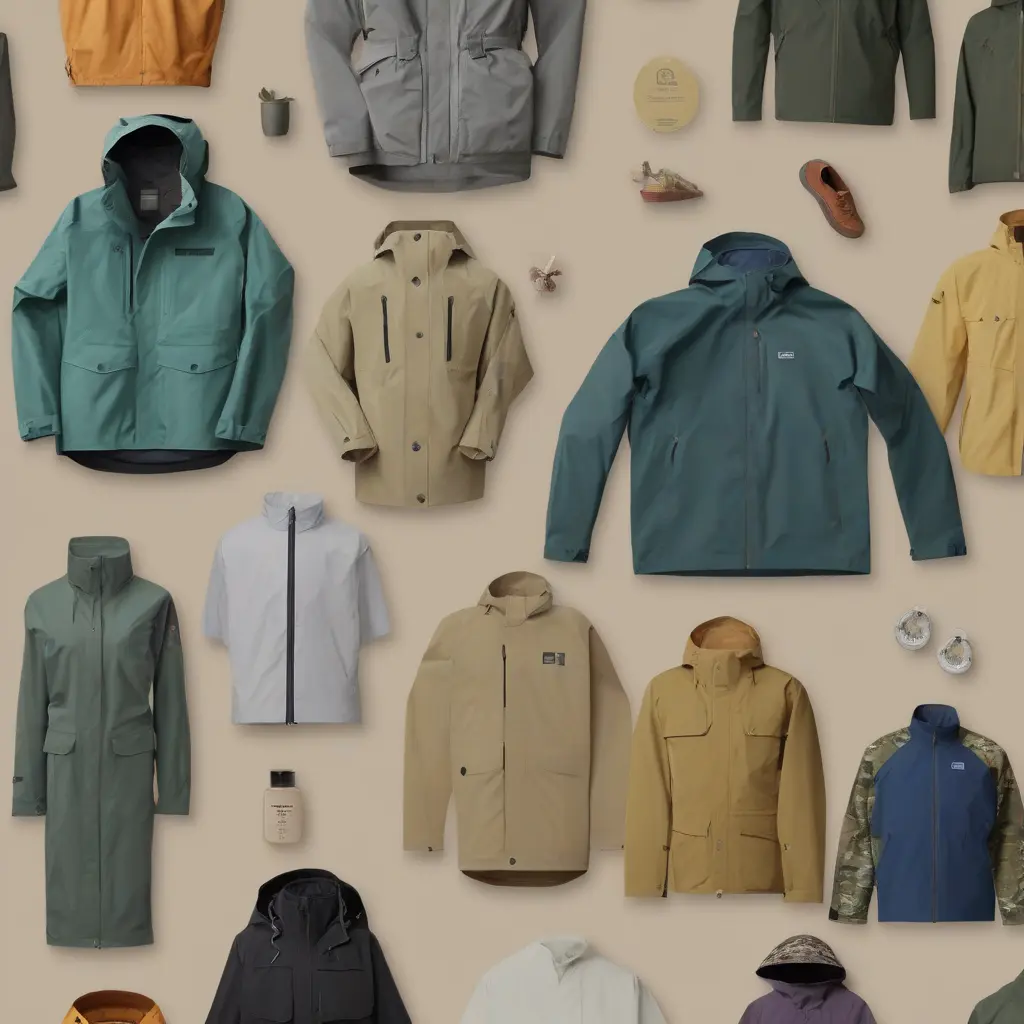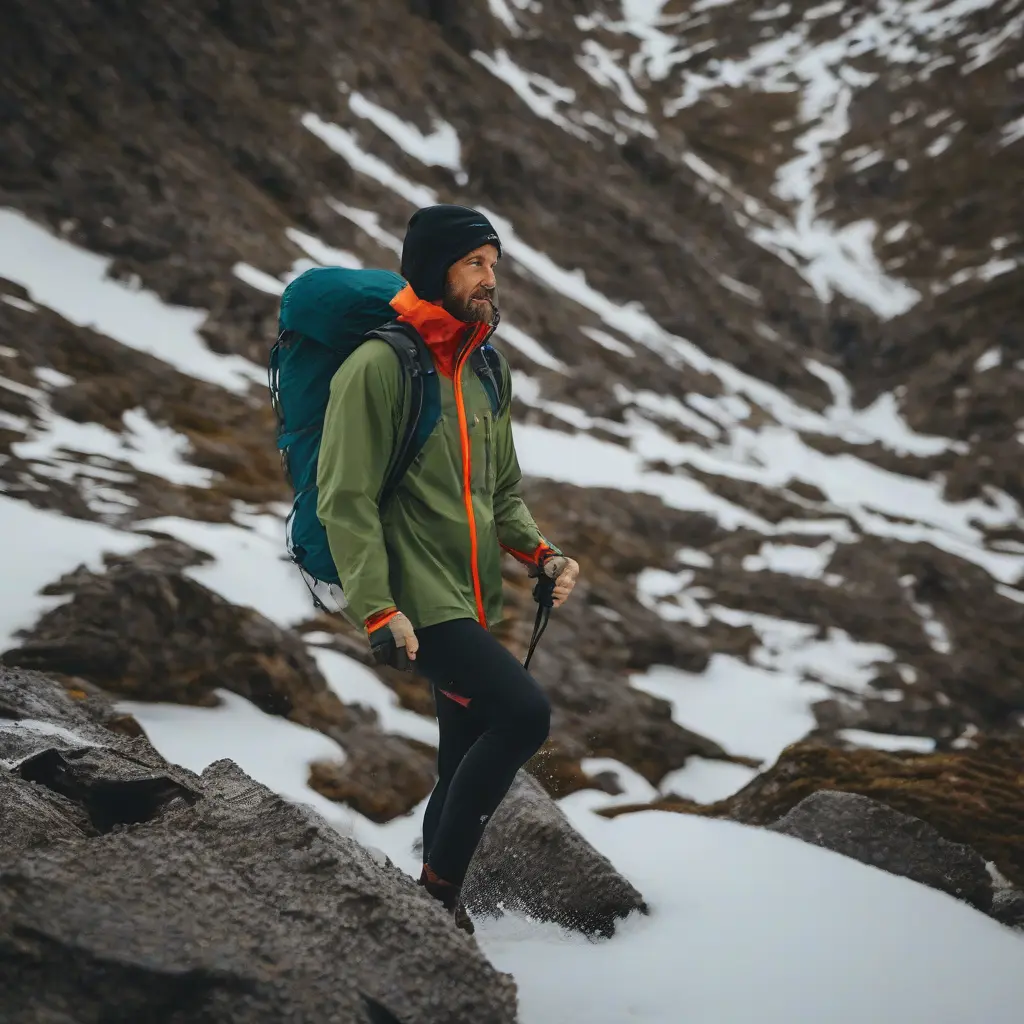
Selecting the right breathable outerwear is crucial for anyone who enjoys active outdoor adventures. Whether you’re hiking, biking, or engaging in any outdoor activity, the right outerwear ensures you stay comfortable while protecting you from changing weather conditions. Breathable fabrics allow moisture to escape, keeping you dry and preventing overheating. This article covers essential factors to consider, including material types, construction techniques, and features that enhance breathability, helping you make informed choices for your next adventure.
Understanding Breathable Fabrics
Breathable fabrics are designed to allow moisture vapor to escape while resisting external water penetration. Common materials include Gore-Tex, eVent, and various nylon or polyester blends. These fabrics often feature microscopic pores that ventilate sweat effectively, which is essential during high-intensity activities. When selecting breathable outerwear, examining the fabric’s waterproofing and breathability ratings, such as the MVTR (Moisture Vapor Transmission Rate), can provide insight into its performance. Prioritizing these characteristics ensures your outerwear keeps you dry and comfortable during your adventures.
Layering for Optimal Comfort
Layering your clothing is a key strategy for regulating body temperature during outdoor activities. A breathable outer layer should serve as both a protective shell and a venting mechanism. Start with moisture-wicking base layers that draw sweat away from your body, followed by an insulation layer for warmth if needed. The outer layer should be lightweight yet robust, offering breathability to combat heat buildup while safeguarding against wind and rain. Effective layering maximizes comfort, allowing for easier adjustments to your clothing based on changing conditions.
Weight Considerations in Outerwear
The weight of your outerwear plays a significant role in overall comfort and mobility on outdoor adventures. Lightweight materials are ideal for those engaging in high-energy activities, as they allow for greater freedom of movement. However, be cautious of sacrificing durability for weight; always balance the two based on your specific needs. For instance, a packable rain jacket could be an excellent choice for hiking, ensuring you have weather protection without carrying excessive weight. Choosing the right weight can enhance your experience significantly.
Ventilation Features to Look For
Incorporating effective ventilation features is vital for maintaining comfort while participating in outdoor activities. Look for jackets and outer layers that include zippered vents, mesh linings, or strategic placement of breathable panels. These features allow airflow in hot conditions or during strenuous movements. Furthermore, adjustable cuffs and hems enhance the ventilation by allowing the wearer to customize airflow. Prioritizing these functionalities ensures that your breathable outerwear can adapt to varying activity levels, keeping you comfortable throughout your adventure.
Durability of Outerwear Materials
Durability is essential when selecting breathable outerwear, as outdoor activities often expose clothing to harsh elements and rough terrains. Fabrics should withstand abrasions, tears, and the rigors of trail wear. Reinforcements in high-stress areas, such as elbows and shoulders, add to the garment’s longevity. Additionally, consider water-resistant treatments and the fabric’s overall stitch quality. Investing in durable outerwear not only enhances the lifespan of your gear but also ensures reliable performance during your outdoor endeavors.
Checking for Waterproof Ratings
Waterproof ratings, typically indicated by a millimeter measurement, reflect how well a fabric can withstand water pressure before leaking. The higher the number, the more waterproof the garment. While breathability is crucial, combine it with adequate waterproofing to ensure you remain dry in wet environments. A jacket rated 10,000mm is suitable for light rain, while 20,000mm or more offers protection in heavy downpours. Understanding these ratings helps make educated decisions that suit your outdoor activity needs, balancing both comfort and protection.
Fit and Mobility in Outerwear
The fit of your outerwear greatly influences performance and comfort level. Opt for a fit that allows for unrestricted movement, especially in the shoulders and arms, as these areas require flexibility for activities such as climbing or hiking. A too-tight fit can restrict movement and cause discomfort, while a loose fit might lead to chafing or draftiness. Consider trying on outerwear with your base layers to gauge freedom of movement accurately. A well-fitting piece will maximize comfort and enhance your overall outdoor experience.
Care and Maintenance of Breathable Outerwear
Proper care and maintenance of your breathable outerwear can significantly prolong its life and performance. Washing with specialized detergents designed for technical fabrics helps maintain their breathability and waterproof qualities. Avoid fabric softeners, which can clog the pores of breathable materials, rendering them less effective. Additionally, regularly reproofing outerwear with suitable sprays or washes restores its water-resistance properties. Following manufacturer guidelines ensures your gear remains effective, ensuring you stay comfortable during future adventures.
Conclusion
Selecting breathable outerwear for active outdoor adventures involves careful consideration of various factors, including fabric types, layering systems, and fit. Prioritizing breathability alongside other features like durability and waterproof ratings enhances comfort and performance during your activities. By understanding what to look for and maintaining your gear appropriately, you can ensure that your outerwear effectively protects you while allowing for movement and ventilation, ultimately enriching your adventurous experiences.