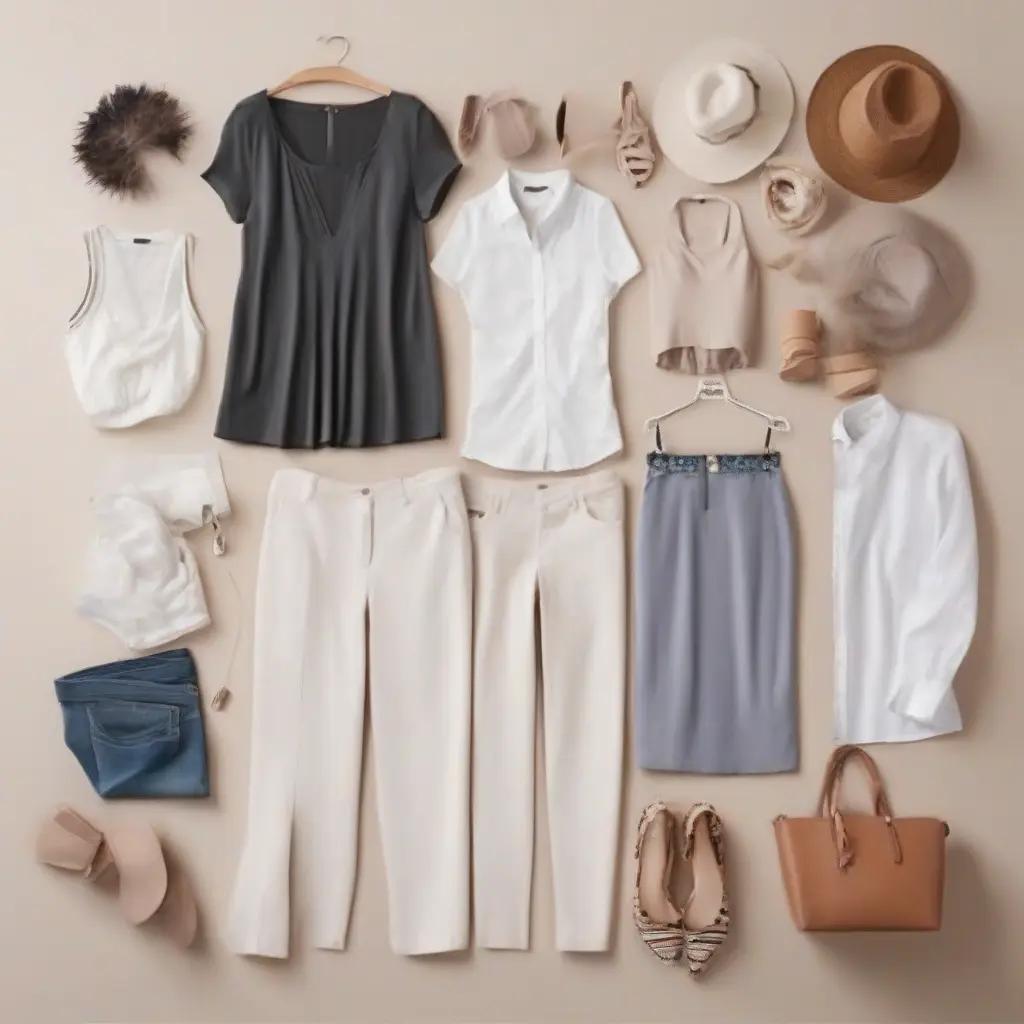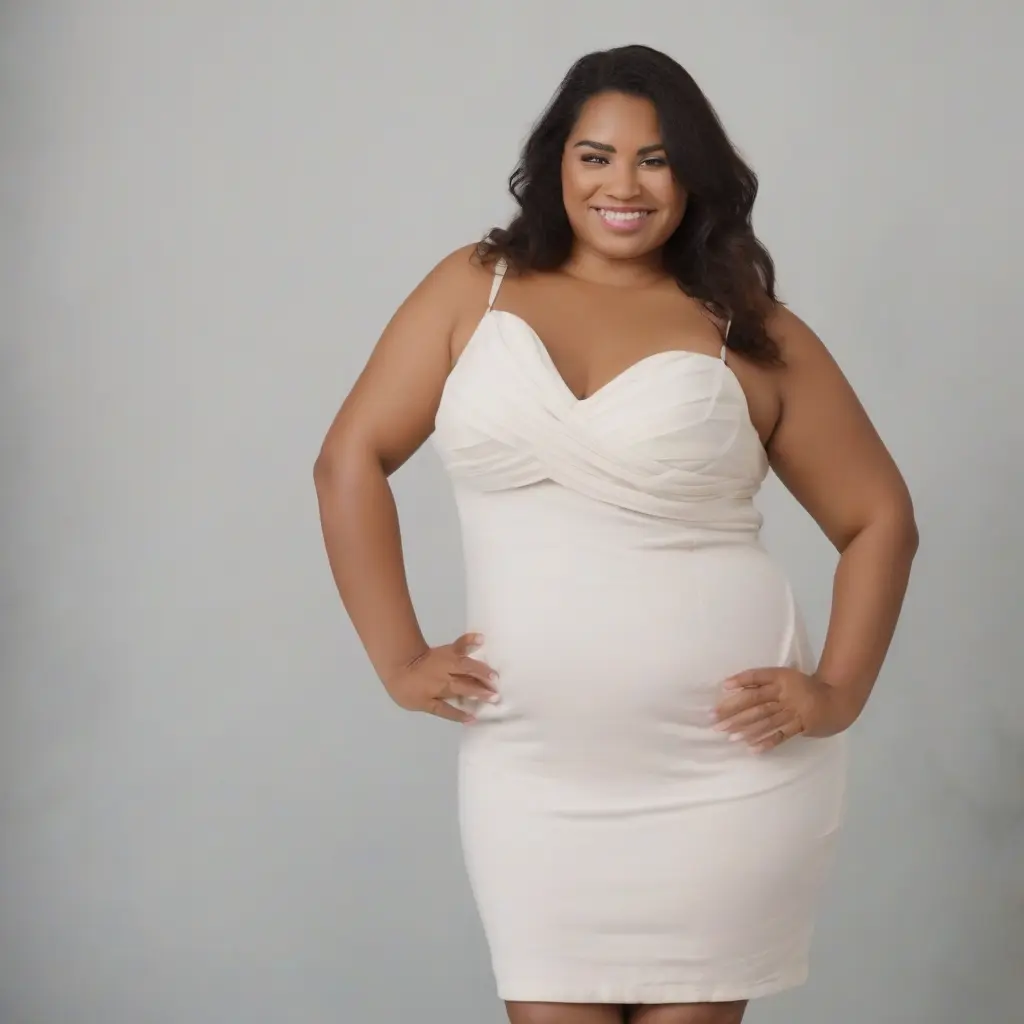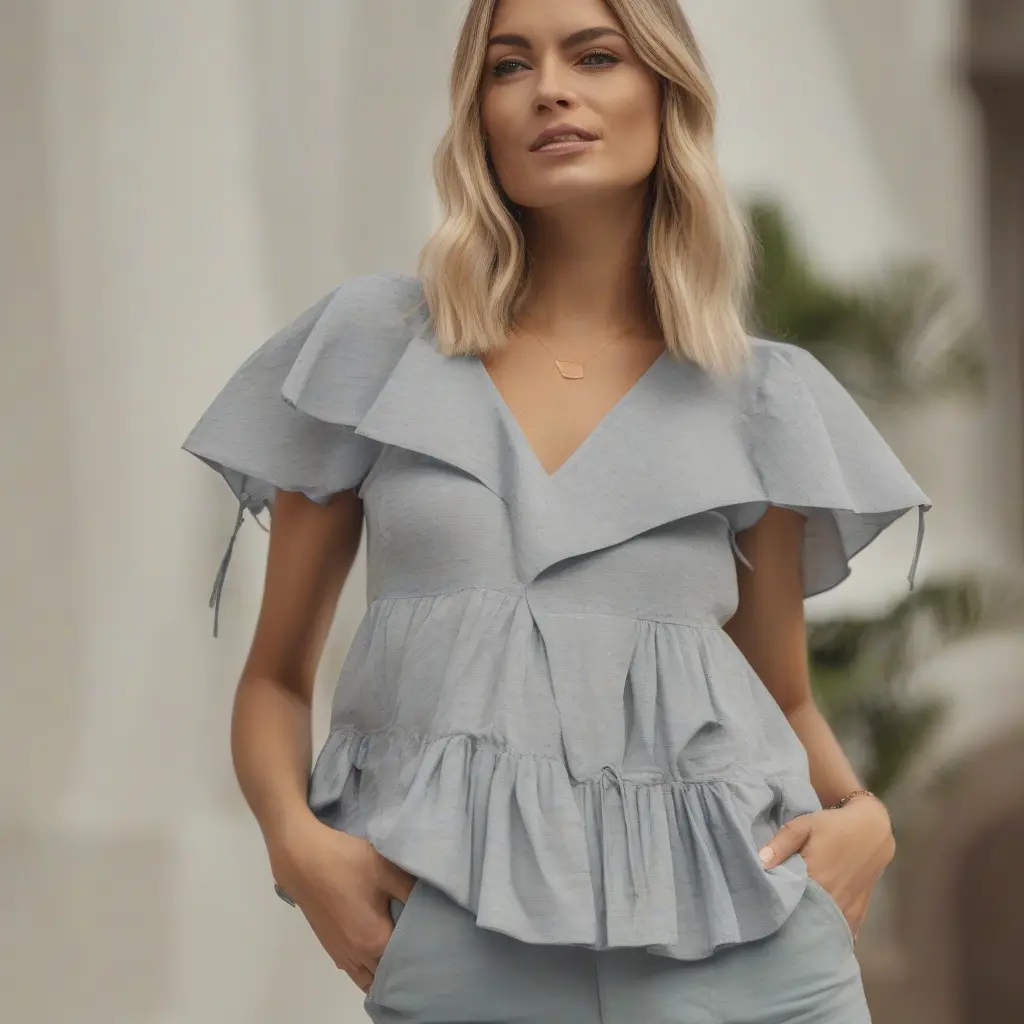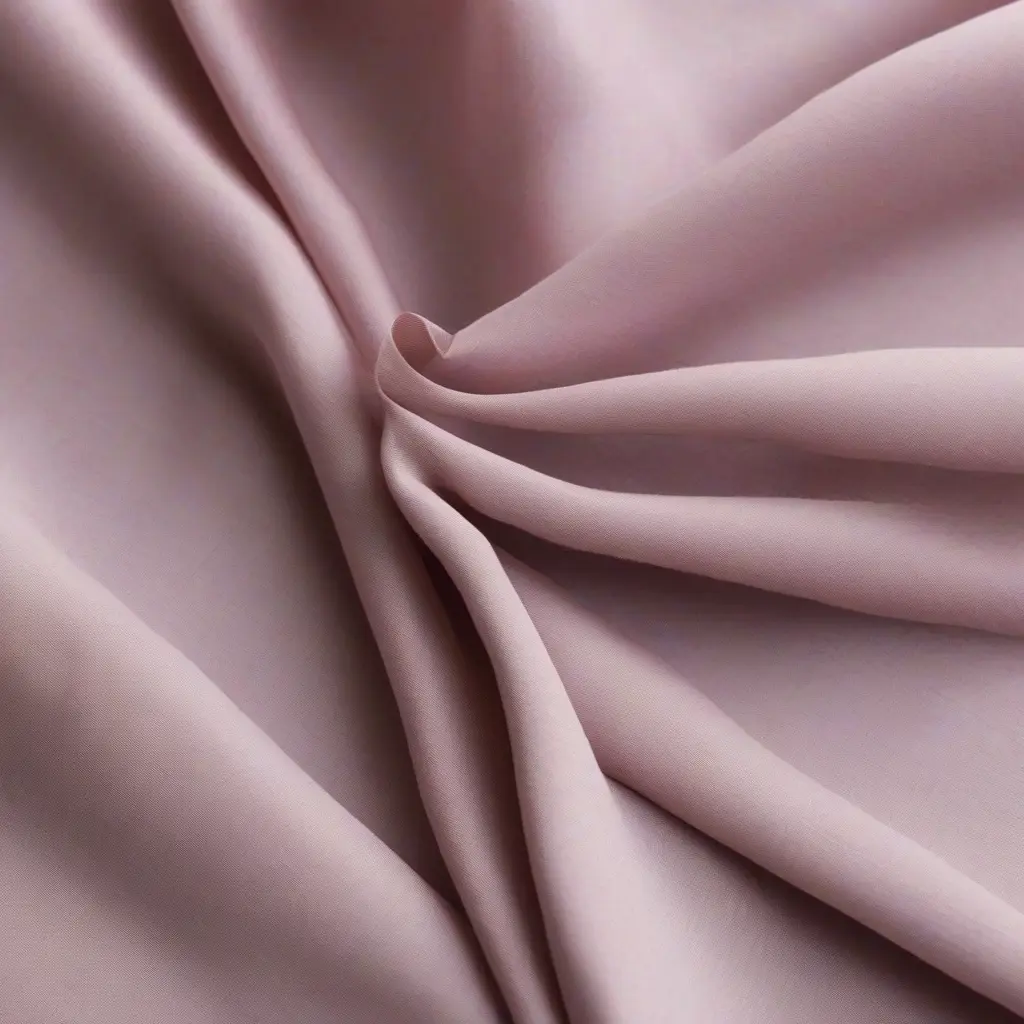
Understanding dress fabrics is crucial for making informed choices in your wardrobe. Different materials not only affect the look and feel of a dress but also influence its durability, breathability, and suitability for various occasions. This article will delve into various types of fabrics used in dresses, helping you to determine which material aligns with your personal style, comfort, and functionality. From natural fibers to synthetic blends, each fabric has distinct characteristics that can enhance or undermine the overall aesthetic of your outfit.
Cotton: A Classic Choice for Comfort
Cotton is a popular fabric choice for dresses due to its softness, breathability, and versatility. This natural fiber is ideal for casual wear and is often used in summer dresses because it allows air to circulate, keeping you cool. Cotton dresses can come in various styles, from fitted to loose, and are easily washable, making them practical for everyday use. Additionally, cotton can be blended with other materials such as polyester to enhance durability and reduce wrinkles, making it an excellent option for stylish yet low-maintenance outfits.
Silk: Elegance and Luxury
Silk is synonymous with luxury and elegance, making it a favored choice for formal dresses. Its soft texture and lustrous finish give a rich appearance, perfect for evening events or special occasions. Though delicate, silk drapes beautifully on the body, flattering a range of silhouettes. However, it requires careful maintenance and dry cleaning to preserve its quality. Available in various weights, silk can also vary in opacity, allowing for diverse design possibilities, from lightweight blouses to heavier evening gowns.
Linen: Breathable and Stylish
Linen is a natural fiber made from flax, offering exceptional breathability and a slightly textured finish. It is perfect for warm weather as it facilitates airflow and wicks moisture away from the skin. However, linen tends to wrinkle easily, which can be seen as both a charm and a drawback. Its relaxed appearance makes it ideal for casual dresses, while its stylish drape allows for creative, fashion-forward designs. Often blended with cotton or rayon, linen can achieve a balance between elegance and comfort, making it a versatile fabric choice.
Polyester: Durability Meets Versatility
Polyester is a synthetic fabric known for its durability and wrinkle-resistant qualities, making it an excellent choice for everyday dresses. This versatile material can mimic the appearance of natural fibers like silk or cotton while being more affordable and easier to maintain. It is also less prone to fading and shrinking, allowing dresses to retain their quality over time. Polyester can be blended with natural fibers to enhance the attributes of both materials, providing options that are both stylish and practical for various occasions.
Rayon: Comfort with a Luxurious Feel
Rayon, a semi-synthetic fabric made from natural cellulose, offers a soft, silky feel that resembles silk or cotton. It is breathable and drapes well, making it an excellent choice for dresses that require movement and flow. Rayon can be more absorbent than cotton, which enhances its comfort factor, especially in humid conditions. However, it can be prone to wrinkling and may require special care. Dress styles made from rayon can range from casual to formal, making it a versatile option for various events.
Wool: Cozy and Warm for Cooler Months
Wool is a natural fiber known for its warmth, making it suitable for winter dresses. Available in various weights, it can be used for everything from lightweight layering pieces to warm, winter-ready gowns. Wool has moisture-wicking properties, allowing it to regulate temperature and keep you comfortable even in cold conditions. Although traditionally associated with casual wear, modern wool dresses come in elegant designs suitable for formal settings. Just be mindful of potential itching, which can be mitigated by wearing a lining or choosing smoother wool blends.
Chiffon: Light and Airy for Layers
Chiffon is a lightweight, sheer fabric that adds an ethereal quality to dresses. Often used in evening and formal wear, chiffon can be layered to create flowing designs or delicate overlays. Its soft texture is comfortable against the skin, and it drapes beautifully, enhancing the femininity of any silhouette. However, chiffon may require extra care due to its delicate nature, typically needing hand washing or professional cleaning. This fabric allows for a range of styles, from romantic gowns to chic evening dresses that make a statement.
Tulle: Perfect for Volume and Structure
Tulle is a netting fabric often associated with tutus and ball gowns, known for its ability to add volume and structure. Its lightweight construction allows for playful designs, especially in layered skirts or overlay elements. Often used in special occasion dresses, tulle can give a fairy-tale-like quality to any outfit. While it may not provide warmth or comfort like other fabrics, its design potential is unmatched. Tulle can be combined with various materials to balance volume with softness, creating a truly unique look that stands out.
Choosing the Right Fabric for Your Dress
When selecting the right fabric for your dress, consider the occasion, climate, and comfort level. For casual outings, breathable materials like cotton or linen may be ideal, while formal events may call for luxurious fabrics like silk or chiffon. Always think about ease of maintenance as well; some fabrics require more care than others. Additionally, consider your personal style and body type; certain materials may enhance your figure better than others. Ultimately, the right fabric can elevate your dress and ensure you feel confident and comfortable.
Conclusion
Understanding the different dress fabrics available empowers you to make informed choices that align with your style and comfort. Each material brings unique characteristics to the table, whether it be breathability, sheen, or structure. By considering factors like occasion, maintenance, and personal preference, you can select the fabric that not only flatters your figure but also complements your lifestyle. The right dress fabric enhances your overall look and ensures your outfit is functional and stylish.