Choosing the right top to match your skin tone can elevate your fashion game significantly. Knowing which colors complement your complexion not only helps you look your best but also boosts your confidence. Whether you have a warm, cool, or neutral undertone, the right hues can make a noticeable difference in how your skin appears. In this article, we will explore how to identify your skin tone and suggest colors that pop, enhancing your overall appearance.
Understanding Skin Tones
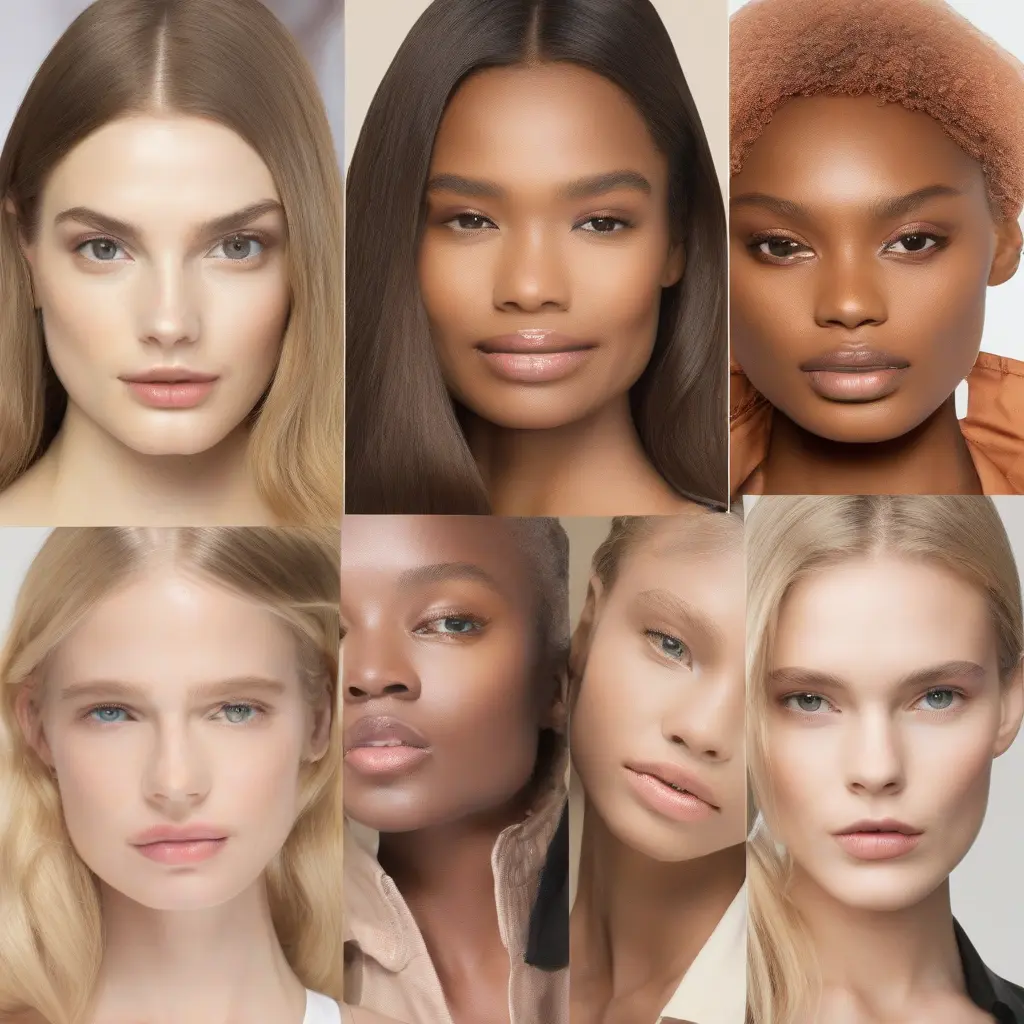
To select the perfect top, it’s essential first to understand your skin tone. Skin tones generally fall into three categories: warm, cool, and neutral. A warm skin tone has yellow, peach, or golden undertones, while cool skin tones have pink, red, or blue undertones. Neutral skin tones have a mix of both warm and cool undertones, making them versatile. Identifying your skin tone can be done using simple tests, such as checking your veins or seeing how certain colors look against your skin.
Identifying Warm Undertones
If you have warm undertones, you will likely find that colors like red, orange, yellow, and warm shades of green accentuate your skin beautifully. Earthy colors such as browns, golds, and olive greens also tend to look great on warm-toned individuals. Jewel tones, particularly those enhanced by golden hues, like amber and coral, can provide a vibrant pop against your complexion. Wearing these tones not only complements your warm skin but also adds an energetic vibe to your overall look.
Identifying Cool Undertones
For those with cool undertones, shades like blue, purple, pink, and green often create a striking contrast that enhances your features. Cool colors, including icy blues or pastel pinks, can brighten your appearance and lift your overall look. Jewel tones such as emerald green and sapphire are also perfect choices for cooler complexions. These colors harmonize with your skin, making you appear youthful and vibrant, and they can easily transition from casual to formal occasions.
Identifying Neutral Undertones
If you have neutral undertones, consider yourself lucky, as many colors will suit you. You can wear both warm and cool shades effectively. Rich colors like teal, blush pink, and even muted shades of grey will work beautifully for neutral tones. Also, colors like champagne and creamy whites can add softness to your look without overwhelming your complexion. This flexibility allows you to experiment with various styles and colors to create a wardrobe that truly reflects your personality.
Testing Colors at Home
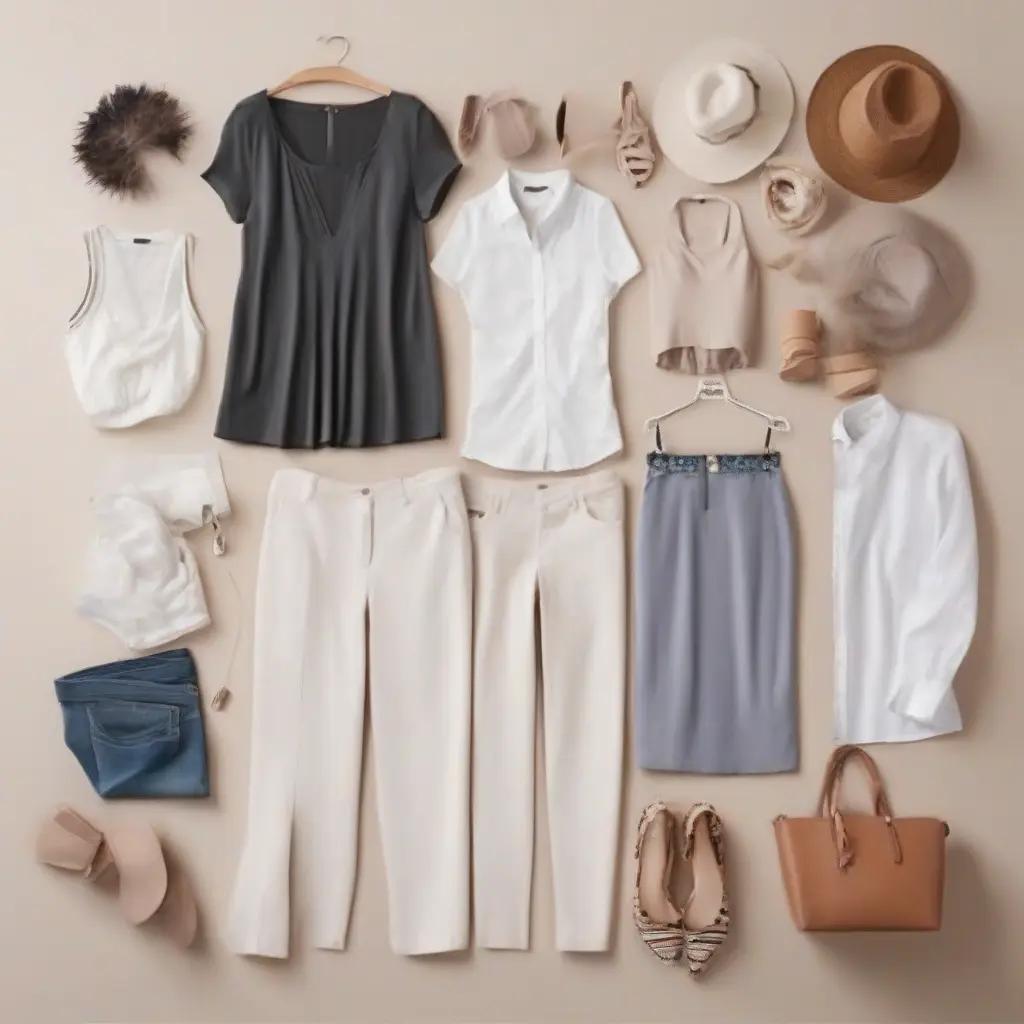
A practical way to find your best colors is to conduct a simple at-home test. Gather tops of various colors and hold them against your skin in natural light. Observe which shades brighten your complexion and which ones make you look tired or washed out. Pay attention to how each color interacts with your undertone; if it enhances your natural glow, that’s a promising choice. This exercise can help you create a more personalized understanding of what colors suit you best.
Color Combinations for Different Occasions
Choosing the right top involves considering the occasion as well. For casual outings, bright colors can project a fun and carefree spirit. For office environments, opting for navy, burgundy, or muted tones offers a professional appearance without compromising your style. Introduce splashes of color through accessories if you prefer neutral tops; a bold scarf or statement necklace can add the desired flair. Choosing colors that fit the setting can ensure you always look appropriate and stylish.
Impact of Fabric and Texture
The fabric and texture of your top can also influence how colors appear against your skin tone. Light, airy fabrics may enhance soft, pastel colors, while heavier materials can provide depth to richer hues. Moreover, shiny fabrics may amplify warm tones, while matte fabrics tend to complement cooler undertones by absorbing light rather than reflecting it. Considering the fabric in combination with color choice allows for a more dynamic approach to dressing, catering to your unique style.
Building a Color Palette for Your Wardrobe
As you identify the colors that enhance your skin tone, aim to build a cohesive color palette for your wardrobe. Select a base of neutral colors that align with your undertones, complemented by a selection of vibrant hues. This methodology ensures you can mix and match effectively while creating outfits that are versatile for any occasion. Regularly update your palette by introducing seasonal colors that align with your preferences, keeping your style fresh and exciting.
Accessorizing with Color
Accessories can play a significant role in enhancing the colors of your tops and can be tailored to your skin tone as well. For example, a warm-toned individual might choose gold jewelry that resonates with their undertones, while cool-toned individuals may find silver or platinum more flattering. Scarves, hats, and bags can also be strategically chosen to enhance your outfit, acting as elements that can change the feel of your look without overhauling your entire wardrobe.
Seasonal Color Adjustments
It’s essential to adjust your color choices with the changing seasons. In spring and summer, lighter and brighter colors tend to be more appropriate, while autumn and winter call for deeper, richer hues. This shift not only keeps your wardrobe relevant with the times but also aligns your style with seasonal concepts. Fabrics can also be adjusted accordingly, with lighter materials in the warmer months andcozier materials in the winter, ensuring comfort without sacrificing style.
Conclusion
Choosing a top that complements your skin tone can significantly enhance your overall style and confidence. By understanding your undertones, experimenting with color, and building a well-rounded wardrobe, you can create outfits that make you feel great. This awareness not only ensures you look your best but also allows you to express your personality through color and style choices.