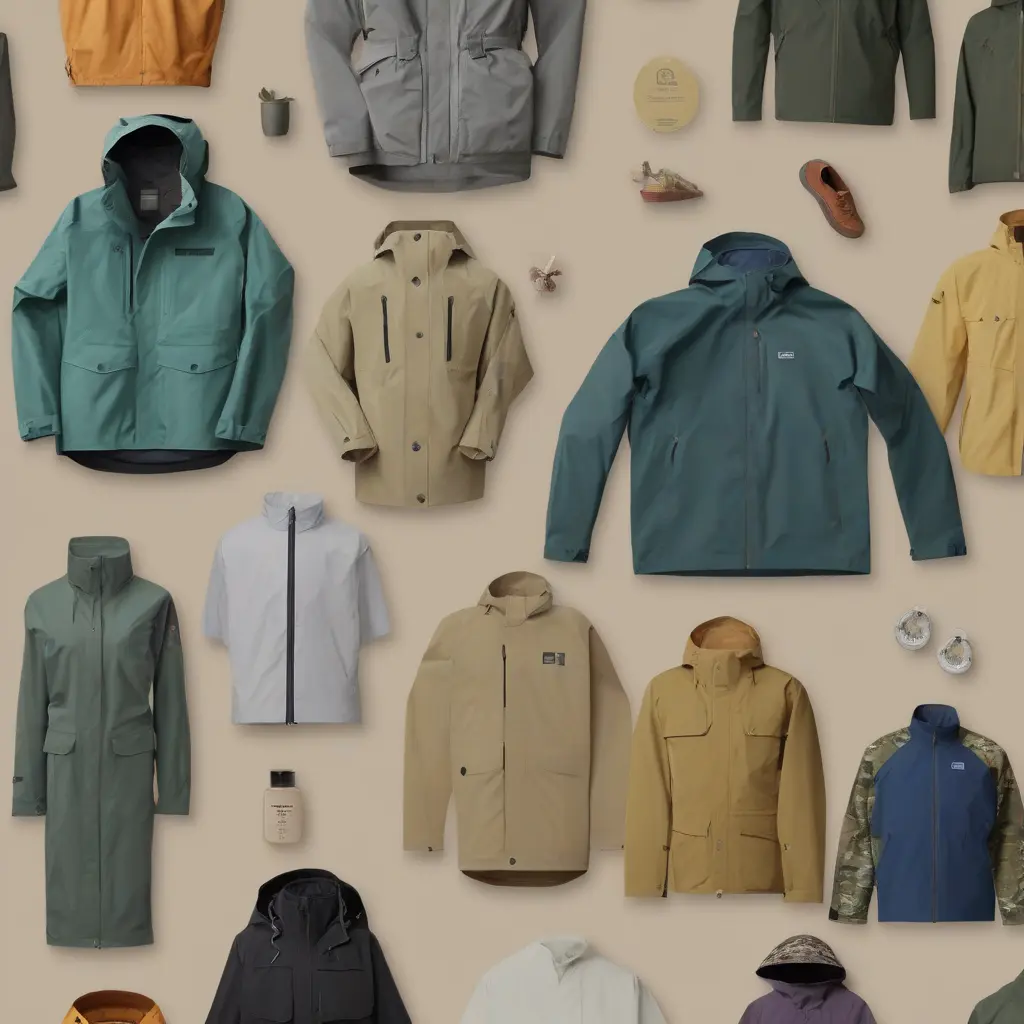
Choosing the right outerwear for your camping or backpacking trip is crucial to ensure comfort and protection against unpredictable weather. The ideal outerwear will not only shield you from rain, wind, and cold but also offer breathability for physical exertion. With various materials, insulation types, and design features available, making an informed decision can enhance your outdoor experience. This guide covers key considerations when selecting outerwear tailored for the demands of camping and backpacking, ensuring you are well-equipped for your adventure.
Understand Weather Conditions
Before selecting outerwear, it’s vital to understand the specific weather conditions you will encounter on your camping or backpacking trip. Different environments can present diverse challenges, such as rain, snow, or extreme temperatures. For example, if you’re heading to a rainy area, a waterproof and breathable rain jacket should be at the top of your list. Conversely, a warm down jacket might be more appropriate for colder conditions. Familiarizing yourself with the local climate can guide your choice, ensuring you stay comfortable and protected.
Fabric Types and Benefits
Outerwear is crafted from a variety of fabrics, each with its own set of benefits. Common materials include nylon, polyester, and Gore-Tex, which offer varying levels of waterproofing, breathability, and durability. For high-intensity activities, moisture-wicking fabrics are essential as they help regulate sweat and keep you dry. Selecting the appropriate fabric based on your activities and environmental conditions will ensure your outerwear enhances your performance while keeping you comfortable in dynamic settings.
Layering Systems Explained
Utilizing a layering system is crucial for regulating body temperature during outdoor activities. The foundation layer, typically a moisture-wicking base layer, helps manage sweat. A mid-layer, like a fleece or insulated jacket, provides warmth, while the outer layer should protect against wind and rain. By layering efficiently, you can easily adjust your clothing as weather conditions change, allowing for optimal comfort and protection on your camping or backpacking trip.
Insulation Choices: Down vs. Synthetic
When it comes to insulation in outerwear, the choice often lies between down and synthetic materials. Down insulation is lightweight, compressible, and highly effective at retaining heat, making it ideal for cold, dry conditions. However, it loses its insulating properties when wet. Synthetic insulation, on the other hand, retains warmth even when damp and dries faster, making it suitable for varying conditions. Understanding these differences will help you choose appropriate insulating layers for your needs.
Essential Features to Consider
Modern outerwear comes equipped with several essential features that enhance functionality and comfort. Look for adjustable cuffs, hoods, and hems to prevent wind and rain from entering. Ventilation zippers are also advantageous as they allow airflow during strenuous activities. Pockets are important for storing essentials, while reflective elements improve visibility in low-light conditions. Evaluating these features ensures your outerwear meets your specific requirements in the field.
Fit and Comfort
Achieving the correct fit is crucial for both comfort and functionality when selecting outerwear. Your outer layer should allow for full range of motion while accommodating layering underneath. Test the jacket by moving your arms and bending at the elbows to ensure it won’t restrict movement. Additionally, consider trying your outerwear with any base and mid-layers you plan to wear. Proper fit not only enhances comfort but also improves the overall effectiveness of the insulation and protective features.
Budget Considerations
When planning your outerwear purchase, it’s important to establish a budget that aligns with your needs. While high-quality outerwear can be expensive, investing in quality gear can save you money in the long run due to durability and function. Consider shopping during sales or off-season to find better deals. Weigh the long-term benefits of reliable outerwear against short-term savings, ensuring that you choose equipment suited for your outdoor adventures without compromising quality.
Maintenance and Care
Proper maintenance and care of your outerwear extend its lifespan and maintain performance. Follow the manufacturer’s washing and drying instructions to avoid damaging the materials. Regularly check for wear and tear or necessary repairs, especially after extensive use. Consider using specialized wash products for technical fabrics to help restore their water-repellency and breathability. Keeping your gear in good condition is essential for ensuring you are prepared for your next camping or backpacking trip.
Conclusion
Choosing the right outerwear for camping or backpacking involves understanding weather conditions, materials, and essential features. By analyzing aspects like layering systems, fit, and budget, you can make an informed choice that enhances your outdoor experience. Prioritizing quality and maintenance will ensure your gear remains reliable, allowing you to focus on enjoying your adventure.