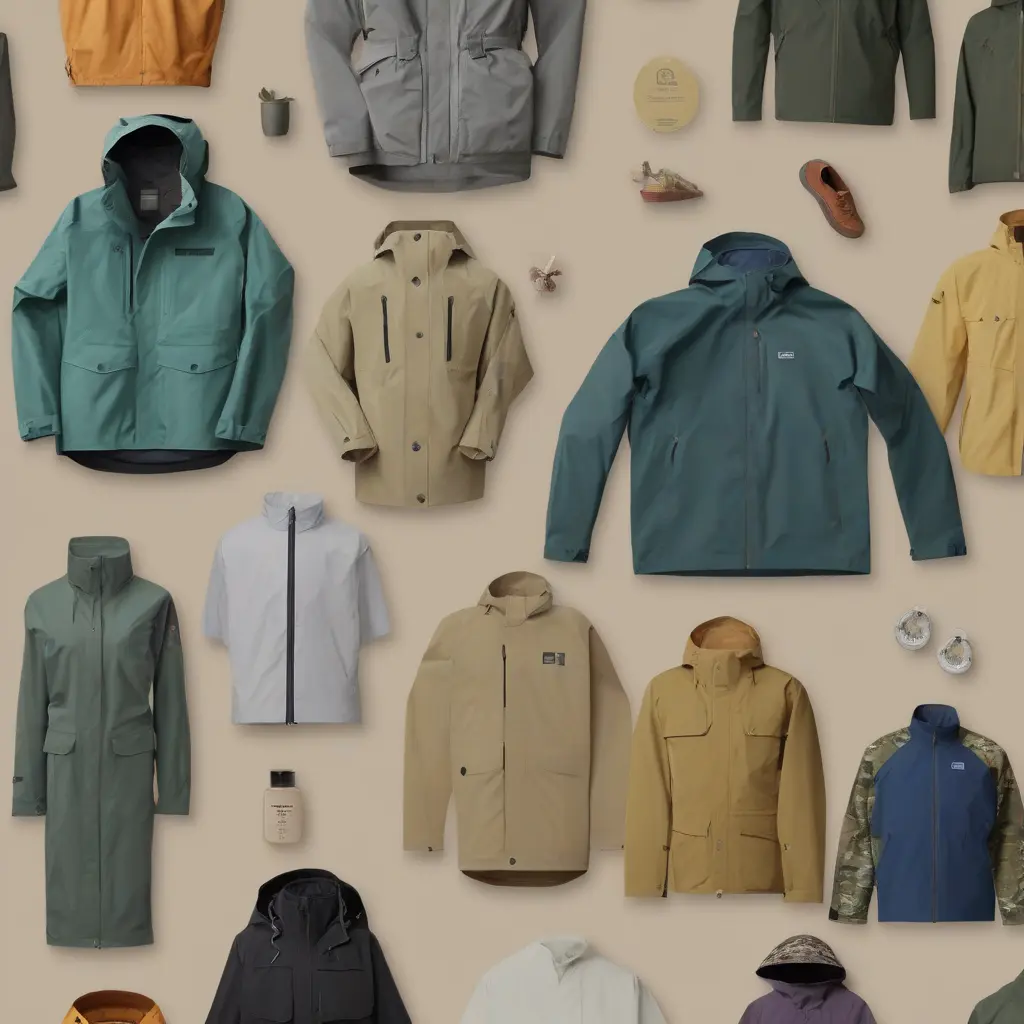
Insulation in outerwear is crucial for maintaining warmth and comfort in varying weather conditions. As the demand for functional and stylish outerwear grows, understanding the types of insulation available becomes vital. This article explores the different forms of insulation, their benefits, and how they contribute to the overall performance of outerwear. Key factors include thermal efficiency, weight, moisture management, and environmental impact. Whether you’re hiking, skiing, or simply braving the winter chill, choosing the right insulation can significantly enhance your outdoor experience.
Understanding Different Types of Insulation
Insulation in outerwear primarily falls into two categories: natural and synthetic. Natural insulation, such as down feathers, is known for its exceptional warmth-to-weight ratio, making it a popular choice for colder climates. In contrast, synthetic insulation, like polyester fibers, excels in moisture resistance and quick-drying properties, which are beneficial in wet conditions. Both types offer distinct advantages depending on individual needs, activity levels, and environmental factors. Understanding these differences is essential for selecting the right outerwear for specific weather conditions.
The Benefits of Down Insulation
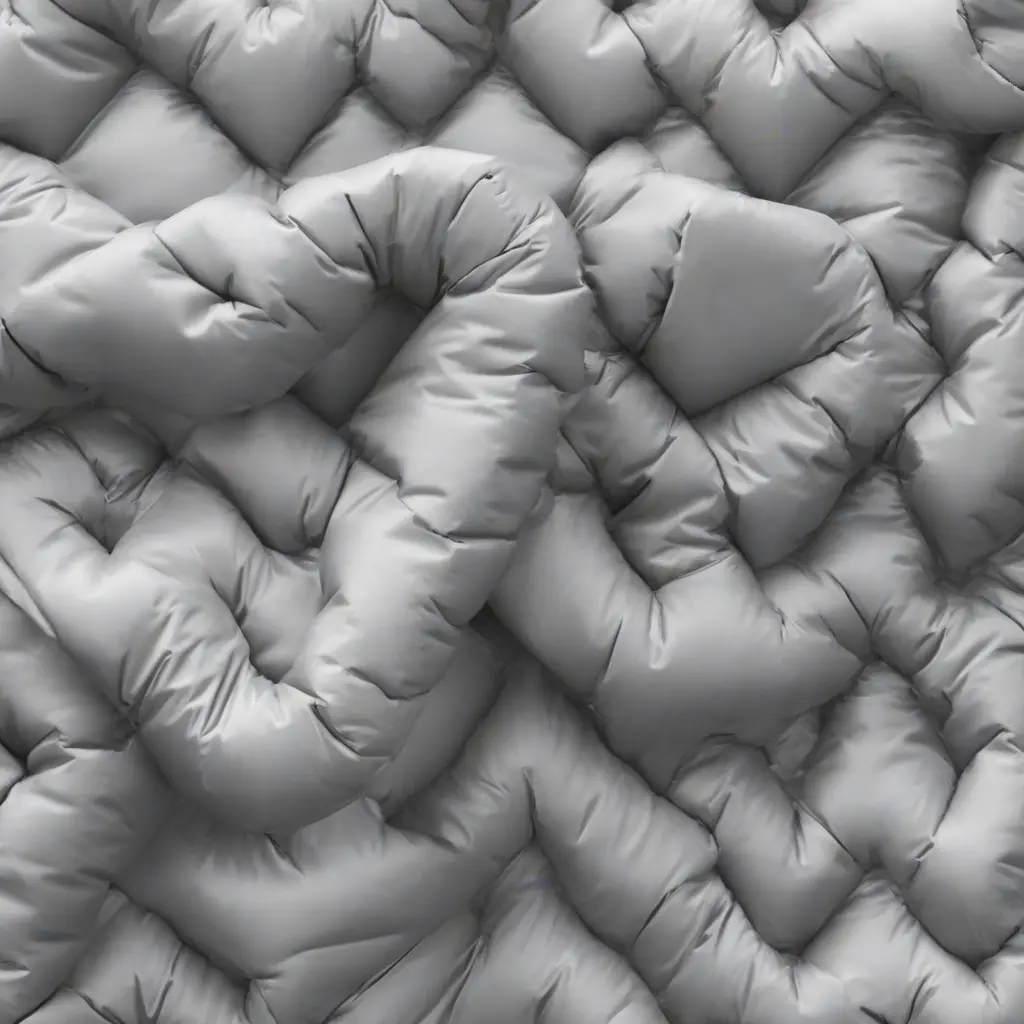
Down insulation is known for its lightweight and compressible nature, making it an excellent choice for outdoor enthusiasts who need warmth without bulk. Its natural ability to trap air provides excellent thermal insulation, ensuring that wearers remain warm even in frigid temperatures. Additionally, down insulation maintains its loft and insulating properties over time, making it a durable option. However, down does require careful maintenance and can lose effectiveness when wet, so understanding these factors is crucial for proper usage in outerwear.
Exploring Synthetic Insulation Options
Synthetic insulation options, such as PrimaLoft and Thinsulate, have gained popularity due to their impressive moisture-wicking abilities and robust thermal performance. These materials are designed to replicate the loftiness of down while providing insulation even when wet. Synthetic options are often easier to clean and care for, making them suitable for a variety of outdoor activities, from skiing to hiking. As such, they are ideal for unpredictable weather or situations where insulation might get damp, ensuring users stay warm and comfortable.
The Importance of Insulation Thickness
The thickness of insulation plays a crucial role in the overall effectiveness of outerwear. Thicker insulation generally provides more warmth, which is beneficial for extreme cold, but it can also add weight and bulk to the garment. In contrast, thinner insulation technologies can offer adequate warmth while maintaining a lightweight and sleek profile. Assessing insulation thickness is essential for choosing between different styles and activities, ensuring that the outerwear remains functional without compromising on mobility or comfort.
Waste and Sustainability Considerations
The sustainability of insulation materials is becoming increasingly important as consumers seek eco-friendly options. Natural down insulation is biodegradable and often sourced from ethical suppliers, while some synthetic materials are made from recycled plastics, reducing environmental impact. Brands are now focusing on creating sustainable insulation solutions that do not compromise performance. Understanding the sourcing and production processes behind insulation materials can greatly influence purchasing decisions, aligning them with personal values regarding sustainability and environmental responsibility.
Comfort and Breathability in Insulated Outerwear
Comfort and breathability are critical factors to consider when selecting insulated outerwear. Insulation that traps heat effectively must also allow moisture and sweat to escape to prevent overheating and discomfort. Manufacturers are increasingly incorporating advanced technologies, such as moisture-wicking linings and ventilation systems, into insulated garments. These innovations ensure that wearers can remain active without compromising warmth or comfort, especially in dynamic outdoor environments where conditions frequently change.
Insulation in Layering Systems
Layering is a fundamental aspect of dressing for outdoor activities, and insulation plays a pivotal role in this system. Base layers manage moisture, mid-layers provide insulation, and outer layers offer protection from wind and rain. Choosing the right insulating layer is crucial, as it needs to be compatible with both base and outer layers to maintain warmth without excessive bulk. Understanding how to effectively layer insulation can significantly enhance overall comfort and performance, making outdoor experiences more enjoyable.
Performance Insulation for Specialized Activities
Certain outdoor activities require specialized insulation to cater to specific environmental needs. For instance, mountaineering gear often incorporates advanced insulation technologies designed to provide warmth without restricting movement. Similarly, ski jackets may feature strategically placed insulation that optimizes thermal properties and flexibility. Evaluating the specific needs of the activity at hand can help individuals select the most appropriate outerwear, ultimately leading to improved performance and safety.
Care and Maintenance of Insulated Outerwear
Proper care and maintenance of insulated outerwear can significantly prolong its lifespan and effectiveness. For both down and synthetic insulation, washing according to the manufacturer’s instructions is vital. Special detergents may be needed to maintain the loft of down, while synthetic pieces may be more forgiving. Additionally, avoiding high heat when drying and storing properly can prevent damage to insulation materials. Regular maintenance not only helps in sustaining insulation performance but also ensures optimal warmth and protection during outdoor activities.
Conclusion
In summary, insulation plays a fundamental role in the functionality of outerwear, impacting warmth, comfort, and performance. Whether choosing natural down or synthetic options, understanding the specific requirements of different outdoor activities and conditions is key to making informed decisions. Careful consideration of insulation types, thickness, sustainability, and proper maintenance will enhance the wearer’s experience, ensuring they remain warm and comfortable in any weather.