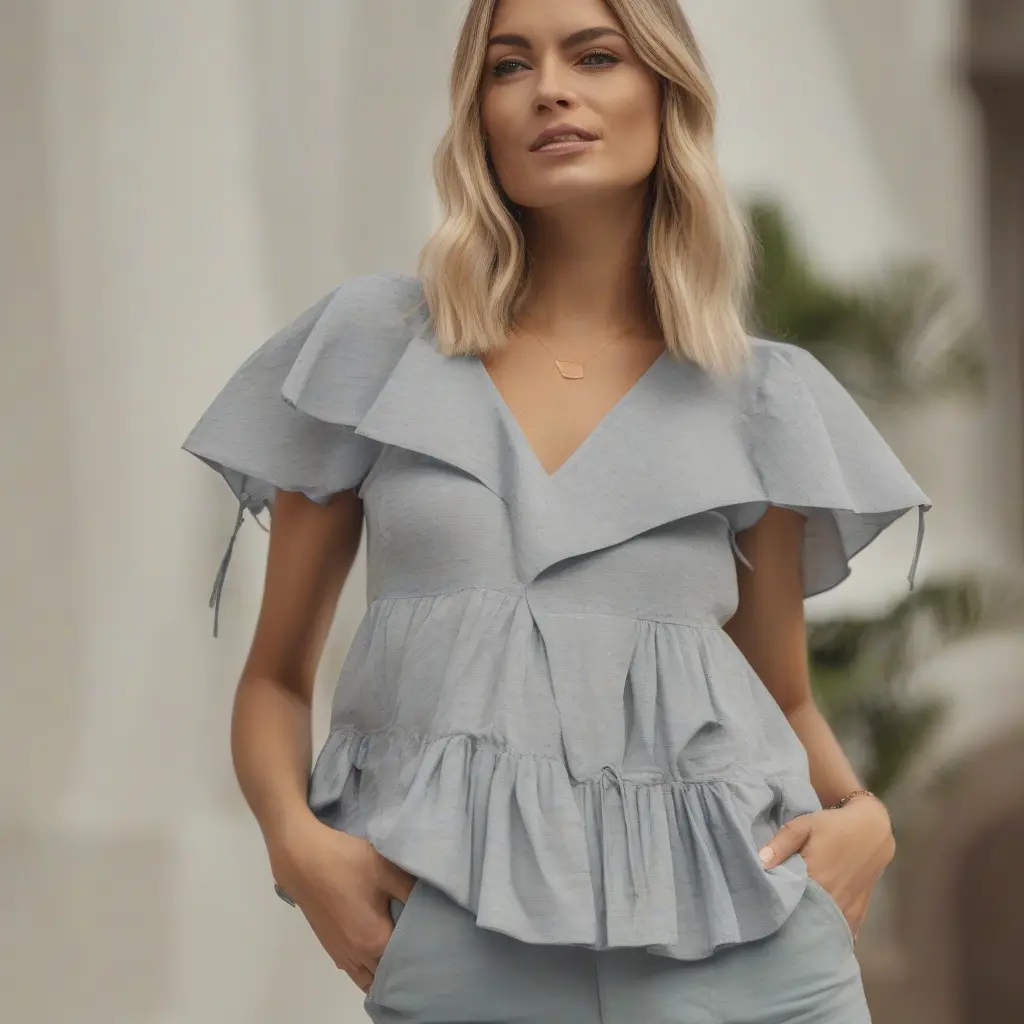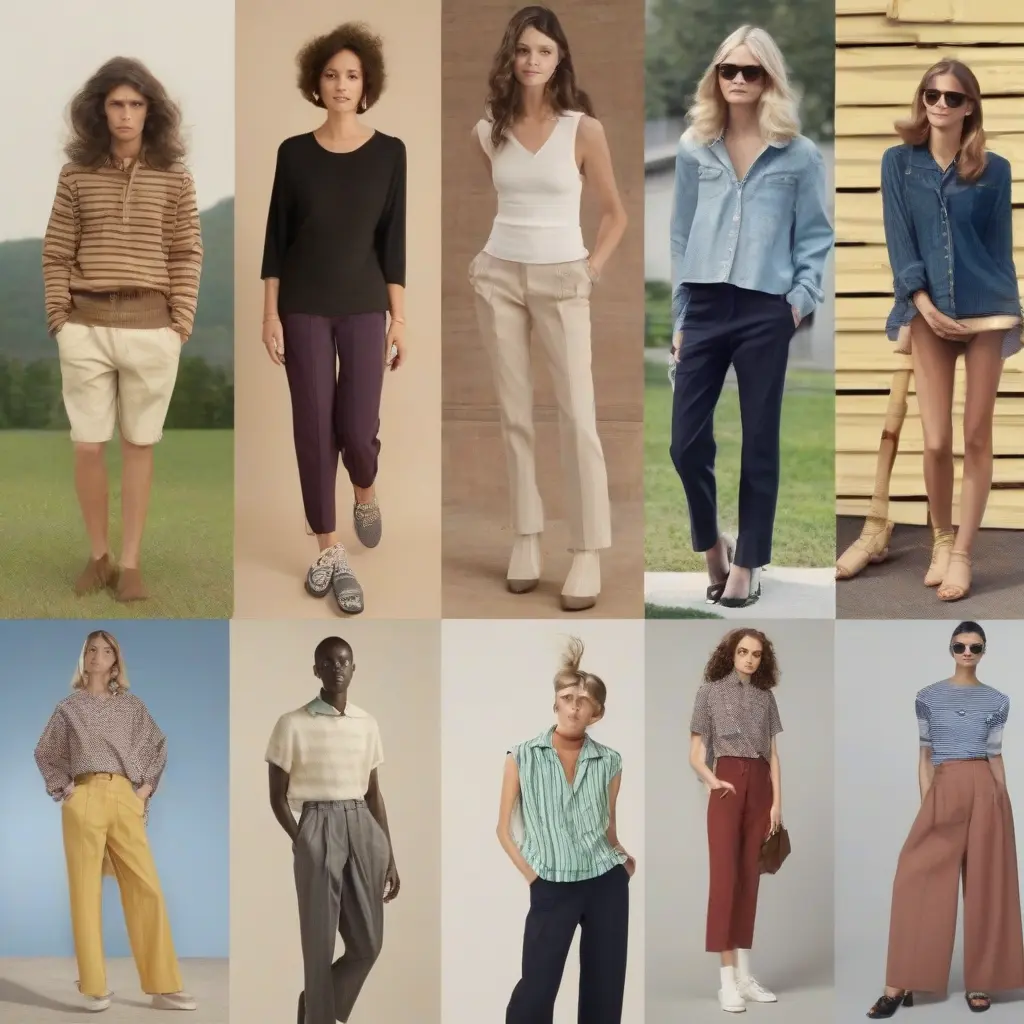
The casual top has undergone significant transformations over the decades, reflecting societal changes, fashion movements, and individual expressions. Each era has contributed unique styles and adaptations, influencing modern wardrobes profoundly. This article explores how casual tops evolved from simple designs into versatile staples that embody comfort and chic. As trends shift, the journey of casual tops illustrates not only changing aesthetics but also cultural moments and lifestyle shifts, cementing their place in fashion history.
1920s: The Rise of Casual Chic
In the 1920s, the evolution of fashion signaled a break from the restrictive clothing of previous decades. Casual tops began featuring looser silhouettes, adorned with embellishments like beads and sequins. The introduction of the flapper dress complemented shorter casual tops that highlighted the carefree lifestyle of women during this period. Fabrics like cotton and silk became popular, allowing for comfort without sacrificing style, creating a look that juxtaposed formality with casual leisure.
1930s: The Influence of Hollywood
The 1930s brought significant influences from Hollywood, as stars like Katharine Hepburn and Ginger Rogers popularized elegant yet casual clothing. Casual tops during this era often included features such as wide necklines and bold prints, reflecting the luminescence and glamor of the silver screen. This decade also saw the introduction of the classic boat neck and blouse styles made from lightweight materials, allowing for both versatility and comfort, which resonated with the fashion sensibilities of women across various social classes.
1940s: Practicality Meets Style
World War II transformed fashion into a means of practicality, leading to the 1940s’ emphasis on functionality. Casual tops shifted towards simple, minimalist designs that utilized fabric more economically. Designs featured shorter hemlines and tailored looks, often made in solid colors or simple patterns. The utility style became popular, emphasizing wearability and ease of maintenance, while women entered the workforce in greater numbers, signaling a need for comfortable and stylish attire that could transition from work to social settings.
1950s: Feminine Flourishes
The 1950s marked a return to femininity with an emphasis on fitted silhouettes, resulting in casual tops adorned with frills, ruffles, and vibrant florals. The iconic ‘New Look’ by Dior popularized the classic shirtwaist top which paired beautifully with skirts and trousers, enhancing women’s curves. Polka dots and gingham patterns became staples, reflecting an era of optimism and the post-war economic boom. This decade celebrated leisure and femininity, making casual tops a key component of every woman’s wardrobe.
1960s: The Explosion of Colors and Patterns
The 1960s introduced a vibrant explosion of colors and patterns, largely influenced by the counterculture movement. Casual tops began to reflect a sense of freedom and rebellion, with bold prints and innovative silhouettes taking center stage. Turtlenecks and graphic tees emerged as symbols of the youth culture, while tie-dye showcased the desire for individuality. This era favored styles that were not only expressive but also affordable, making fashion more accessible and paving the way for future youthful trends in casual wear.
1970s: Embracing Comfort and Expression
The 1970s emphasized comfort and self-expression, leading to the incorporation of bohemian styles into casual tops. Popular fabrics became loose and flowy, while motifs showcased earthy tones and ethnic patterns. Halter tops and peasant blouses gained traction, symbolizing a lifestyle that prioritized personal style over societal norms. This decade’s embrace of casual wear not only represented a shift in fashion but also reinforced the philosophical stance of the era, emphasizing peace, love, and freedom as central themes.
1980s: The Power of the Statement Top
In the 1980s, fashion took a bold turn with the emergence of statement tops designed to grab attention. Neon colors, oversized silhouettes, and extravagant embellishments dominated the scene. The popularity of brands like Esprit and Guess offered an explosion of uniquely styled casual tops, from off-shoulder designs to cropped styles. This decade’s influence reflected a culture of excess and opportunity, where casual tops became canvases for personal expression and were often paired with high-waisted jeans or mini skirts.
1990s: Casual Cool and Streetwear
The 1990s saw the rise of streetwear and a more relaxed approach to casual tops. Brands like Tommy Hilfiger and Champion popularized oversized t-shirts and hoodies, reflecting the grunge aesthetic that characterized the decade. Graphic tees featuring band logos and witty slogans became essential wardrobe staples. Denim’s resurgence paired with casual tops created iconic looks, while the influence of hip-hop culture began to reshape how people viewed casual wear, making it an integral part of everyday fashion.
2000s: Diversity and Technology
The early 2000s showcased a fusion of styles, with casual tops featuring a mix of materials and textures. The introduction of fast fashion brought about a variety of options, from spaghetti strap tops to asymmetrical cuts, catering to an increasingly diverse audience. Technology allowed for innovative designs and fabrics, making casual tops both affordable and trendy. This era celebrated individuality, with fashion becoming a reflection of personal style preferences and trends that quickly changed, often influenced by celebrity culture and reality television.
2010s: Sustainability and Athleisure
The 2010s brought a renewed focus on sustainability within fashion, influencing the design of casual tops. Brands began incorporating eco-friendly materials, and athleisure became a dominant trend, blending athletic wear with everyday casual clothing. Styles began to emphasize comfort, with items like performance tees and stylish sweatshirts becoming integral components of wardrobes. This decade reflected a societal shift toward health-consciousness and environmental responsibility, encouraging consumers to make choices that were not only stylish but also sustainable.
2020s: Modern Day Versatility
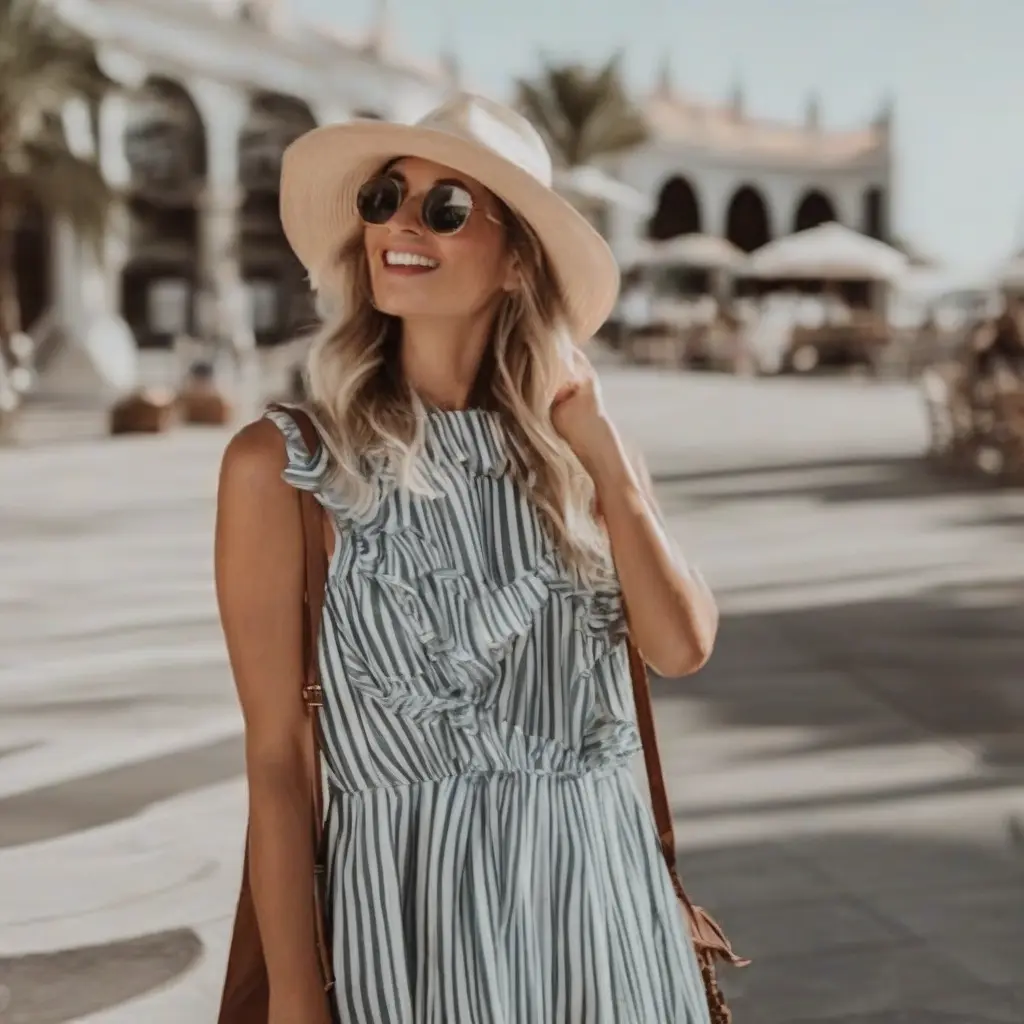
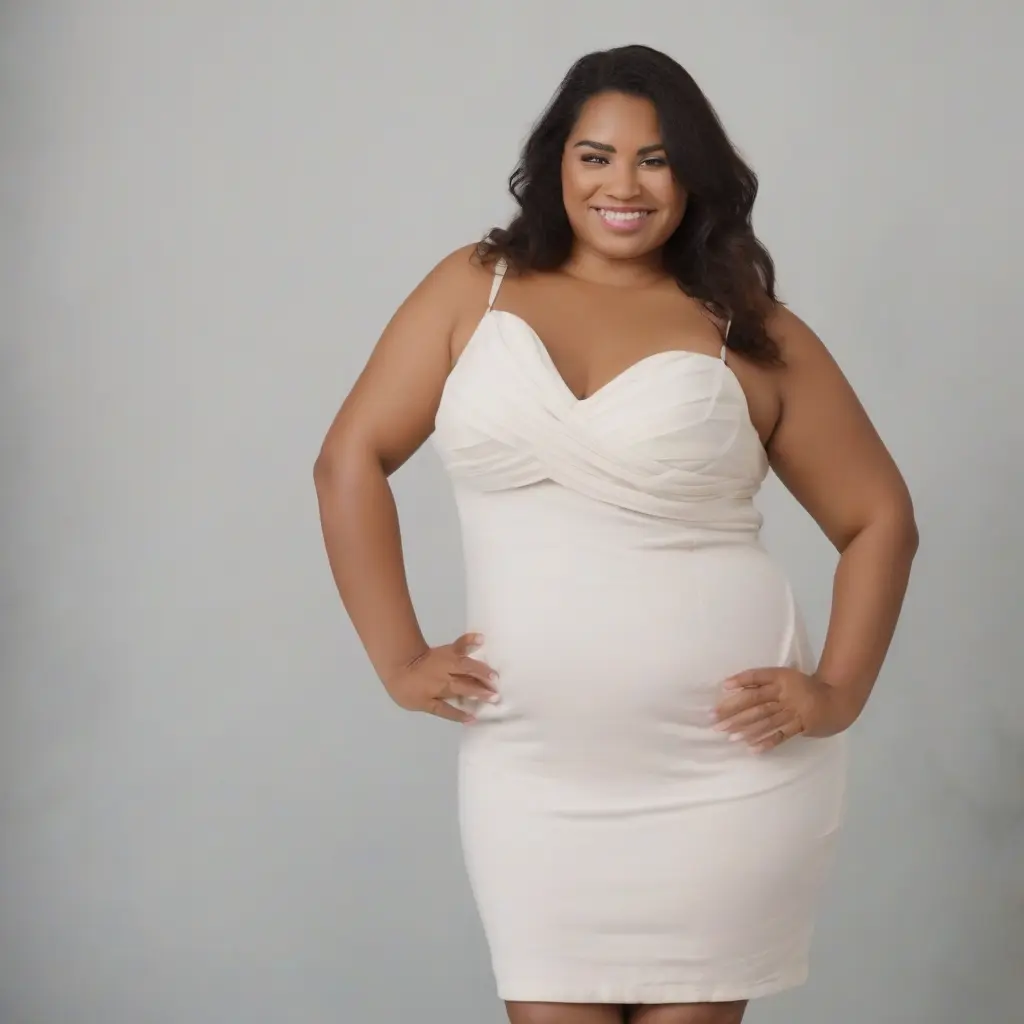
As the 2020s unfold, the evolution of casual tops continues to highlight versatility and inclusion. Styles now encompass an array of designs that cater to various body types and preferences, celebrating diversity. The influence of social media has introduced micro-trends that can spread rapidly, allowing for an ever-evolving sense of style. Casual tops now blend comfort with a polished aesthetic, making them suitable for a range of occasions—from work meetings to casual outings—showing that the humble casual top remains a wardrobe staple.
Conclusion
The evolution of casual tops reflects broader societal changes and personal expressions throughout history. From the chic simplicity of the 1920s to the versatile styles of today, casual tops have adapted to cultural trends while maintaining their essence. This journey through the decades illustrates not only how fashion evolves but also how it connects with lifestyle and identity, ensuring that casual tops remain a vital component of modern wardrobes.