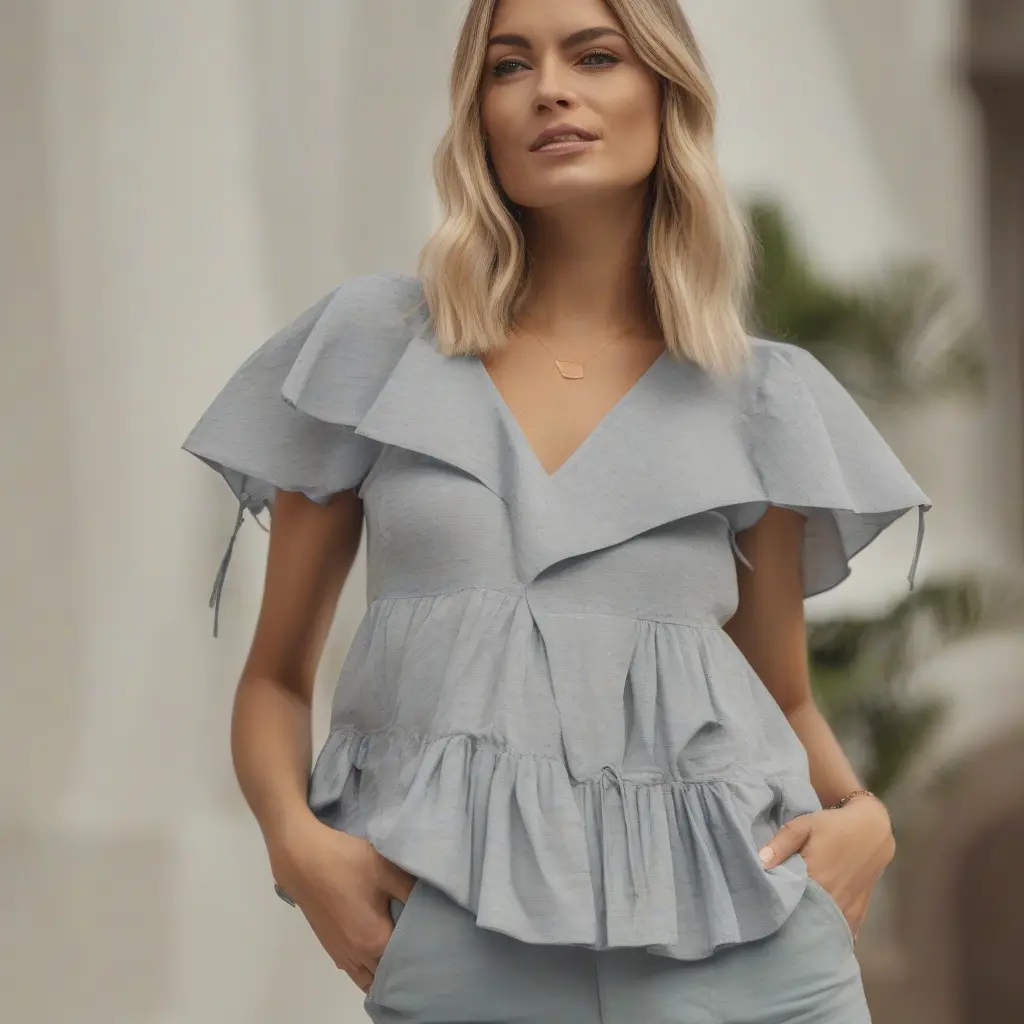
Color psychology plays a crucial role in our everyday lives, influencing emotions, perceptions, and behaviors. When it comes to choosing tops, the colors you select can affect not just your mood but also how others perceive you. Understanding the impact of different colors can elevate your wardrobe choices, ensuring they align with your personality and intended message. This guide delves into the significance of color psychology, helping you make informed decisions while selecting the perfect top for various occasions.
Understanding Color Psychology in Fashion
Color psychology is the study of how colors affect human behavior and emotions. In the fashion industry, this principle is widely employed to influence consumer choices and emotional responses. Each color elicits specific feelings and associations, which can significantly impact how individuals feel when wearing certain attire. For instance, red often symbolizes passion and energy, while blue tends to convey calmness and reliability. By understanding these associations, you can curate your tops to reflect your mood, enhance your confidence, and project the image you wish to convey.
The Effect of Warm Colors on Mood
Warm colors like reds, oranges, and yellows tend to evoke feelings of warmth and comfort. These hues are often linked to excitement, enthusiasm, and energy. If you’re looking to make a bold statement or attract attention in a social setting, choosing a top in one of these colors can help elevate your presence. However, it’s important to balance these vibrant colors with neutral tones or softer shades to avoid overwhelming the observer. Understanding the nuances of warm colors can guide you in selecting tops that not only catch the eye but also uplift your mood.
The Influence of Cool Colors on Perception
Cool colors such as blues, greens, and purples are typically associated with tranquility and professionalism. These shades can invoke a sense of calmness and are often perceived as more sophisticated or serene. Wearing cool-colored tops may help you come across as approachable and composed, making them ideal for workplace settings or formal events. Additionally, these colors can provide a refreshing break from the vibrancy of warm colors, helping you to create a balanced wardrobe that suits various occasions.
The Power of Neutral Colors in Wardrobe Choices
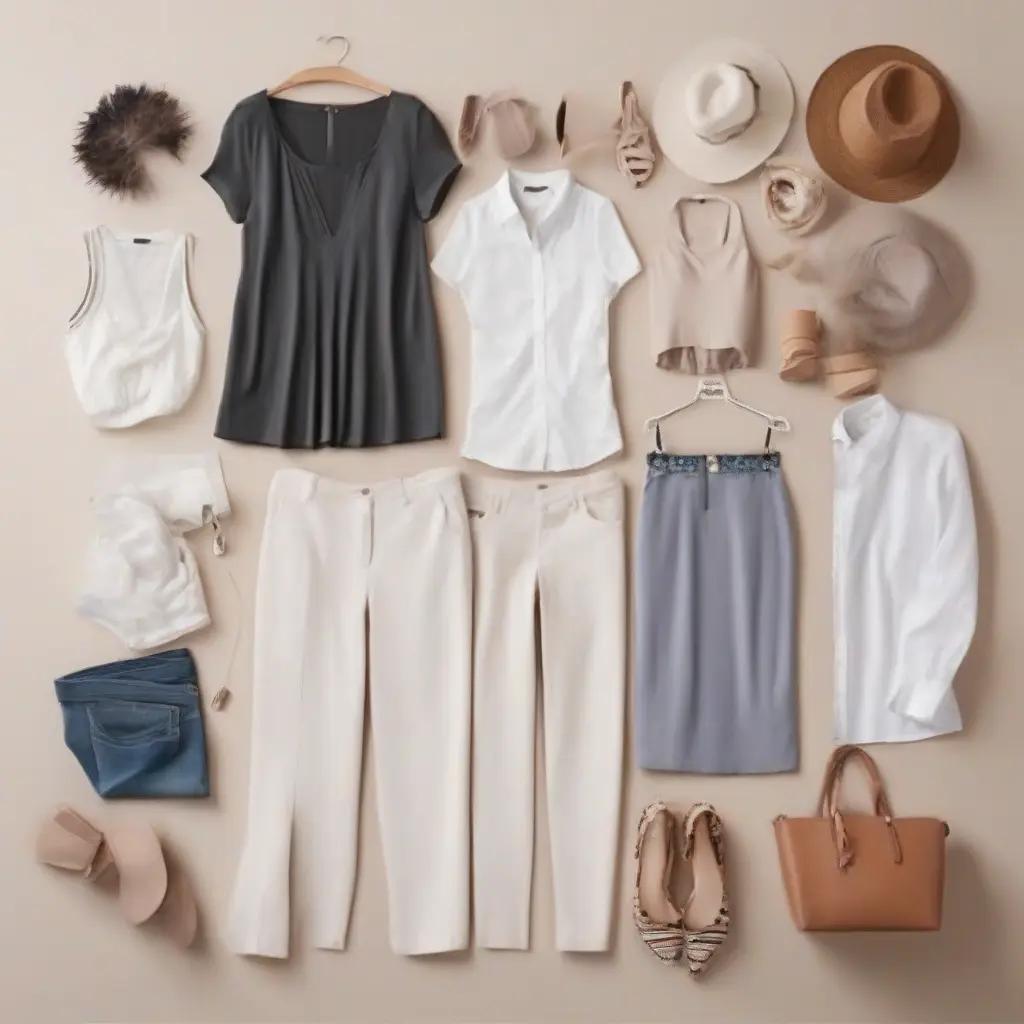
Neutral colors, including black, white, gray, and beige, are foundational in many wardrobes due to their versatility and timeless appeal. These shades can be paired seamlessly with almost any color and can convey elegance and professionalism. A neutral top is a powerful choice for layering or mixing-and-matching with more vibrant hues. Moreover, neutrals can evoke a sense of balance and harmony, making them perfect for individuals seeking an understated yet sophisticated style. Utilizing neutral tones effectively allows you to craft an adaptable wardrobe.
Cultural Variations in Color Meaning
Color meanings can vary significantly across different cultures, which is essential to consider when choosing your tops. In some cultures, white signifies purity and peace, while in others, it may represent mourning. Similarly, red might denote luck in certain Asian cultures, while it can symbolize danger elsewhere. Understanding these cultural connotations can prevent misunderstandings and help you choose tops that resonate positively with your audience, especially when traveling or attending multicultural events. Awareness of color significance across cultures amplifies the thoughtful selection of clothing.
Seasonal Color Trends and Their Effects
Seasonal color trends heavily influence fashion choices each year, affecting the tops and styles available in stores. Each season typically introduces a palette of colors that reflects the changing environment—think warm earth tones for autumn and vibrant pastels for spring. Understanding these trends can guide your purchasing decisions, ensuring that your wardrobe remains current and stylish. By aligning your tops with seasonal color trends, you can project freshness and relevance while still harnessing the power of color psychology to enhance your overall aesthetic.
Using Color to Express Personal Style
Your choice of color is a fundamental expression of personal style. Each hue you opt for can convey aspects of your personality, interests, and mood. For instance, a bold red top might reflect confidence and assertiveness, while a soft pastel shade might indicate a more gentle, approachable personality. Being mindful of how colors resonate with you can empower you to express your individuality through your clothing selections. Experimenting with various shades can lead to discovering combinations that enhance your uniqueness and make you feel more comfortable in your skin.
The Role of Color in Professional Settings
In professional environments, color choices can greatly impact perceptions of competence and authority. For example, wearing a navy blue top may evoke feelings of trust and dependability, making it a popular choice for interviews or presentations. Understanding the dynamics of color psychology in this context can give you an edge when networking or seeking job opportunities. By selecting colors that align with the image you wish to project, you can reinforce your professional persona, thereby enhancing your chances of success in your career.
Balancing Colors for Layered Outfits
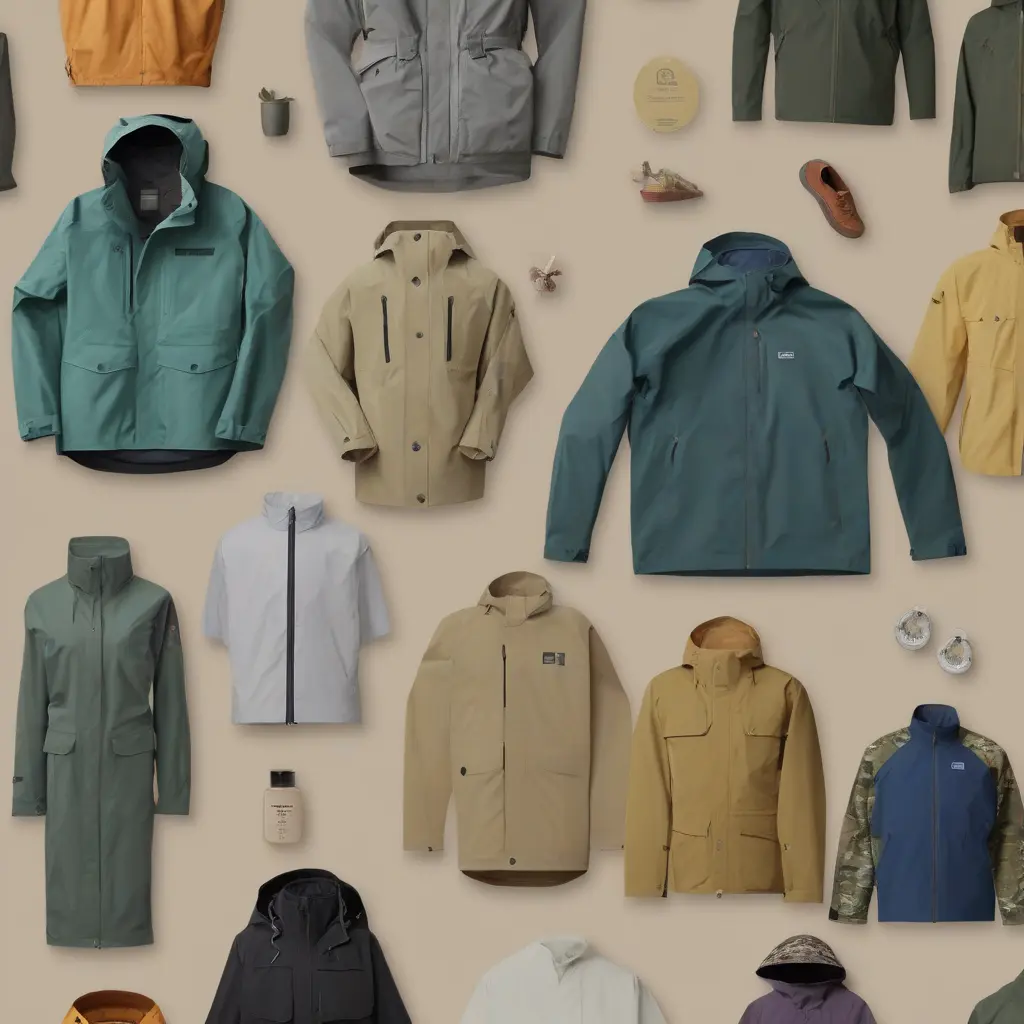
When layering tops, achieving a balance between colors is essential for creating a harmonious look. Combining complementary colors can enhance your outfit, while clashing colors may draw attention but not always positively. For instance, pairing a light-colored top with darker outerwear can create visual contrast without being overwhelming. Understanding color relationships can guide your layering strategies, ensuring that each piece contributes effectively to the overall aesthetic. Mastering this skill can elevate your fashion sense, making your outfits appear more cohesive and thoughtfully styled.
Conclusion
In conclusion, the impact of color psychology on choosing your tops is evident across various contexts, from personal expression to professional settings. Understanding the emotional and cultural meanings associated with color can significantly enhance your wardrobe choices and overall style. By leveraging this knowledge, you can curate a selection of tops that not only represents your personality but also aligns with the impression you wish to convey. Embracing color psychology can transform your fashion decisions, establishing a deeper connection with your clothing.