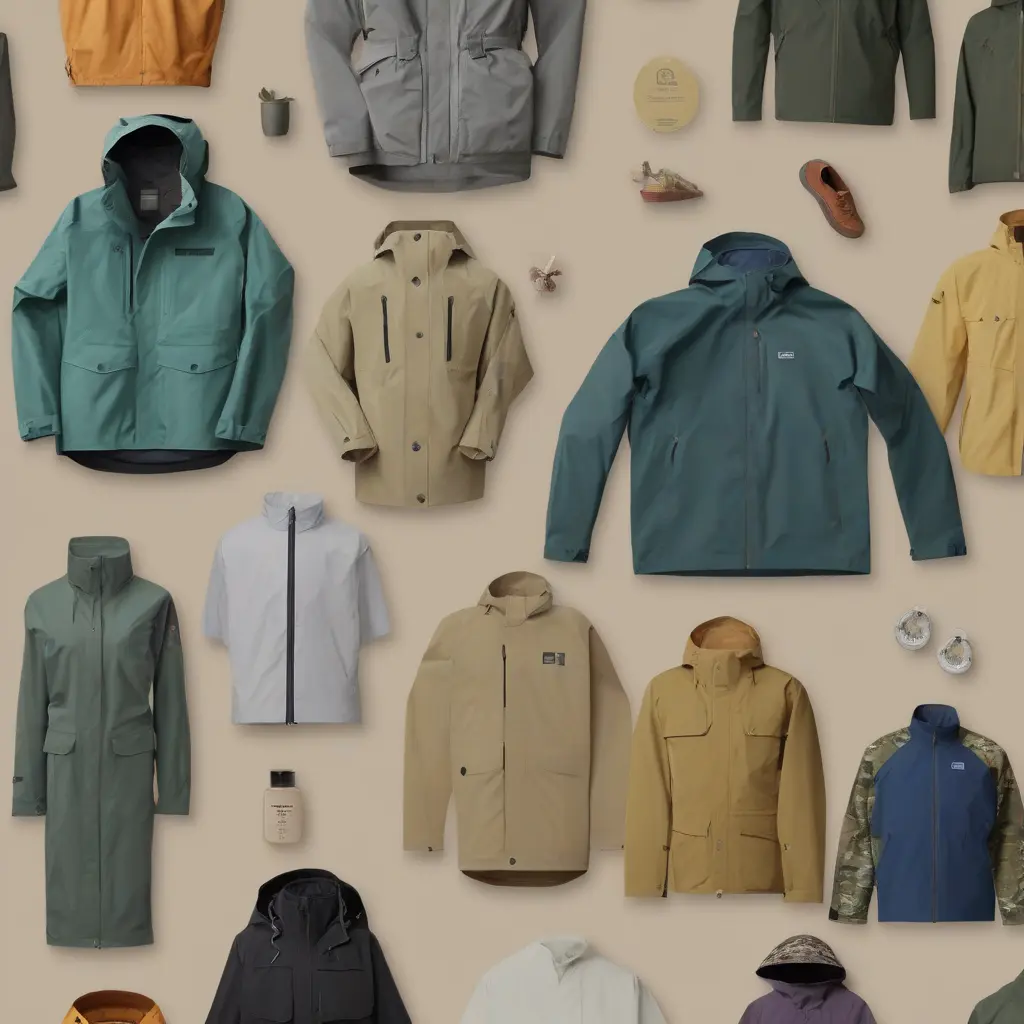
As winter approaches, deciding what to wear under your coat becomes crucial for both warmth and style. Layering effectively allows you to stay cozy while keeping your outfit fashionable. The right combination of materials, styles, and colors can elevate your winter wardrobe, ensuring you look great in the colder months. In this article, we will explore various components of winter layering, including fundamental fabrics, different garment choices, and tips for accessorizing. Whether you’re heading to work, running errands, or enjoying a winter outdoor activity, these tips will help you navigate the chilly weather effortlessly.
Understanding Layering Basics
Layering is an essential technique for winter wardrobe management. It involves wearing multiple garments to create insulation and keep you warm. The base layer, which sits directly against your skin, should wick moisture away, while the middle layer provides insulation, and the outer layer, typically your winter coat, protects against wind and precipitation. Each layer should be chosen based on its functionality and comfort. The goal is to remain warm, comfortable, and stylish, enabling you to adjust your clothing based on the varying temperatures throughout the day.
Choosing the Right Base Layer
The base layer is vital for winter comfort, serving as the first line of defense against the cold. Fabrics such as merino wool, synthetic blends, and thermal materials are ideal due to their moisture-wicking properties. They help to keep the skin dry, which is essential for staying warm. When selecting a base layer, consider both fit and functionality; it should be snug enough to prevent cold air from entering but not so tight that it restricts movement. Opt for long-sleeve shirts or thermal tops that provide additional coverage for maximum warmth.
Insulating Middle Layer Options
The middle layer is designed to provide insulation and warmth, making it an essential component of winter attire. Fleece sweaters, down vests, or insulated pullovers are excellent choices for this layer. Choose materials based on your activity level; fleece is ideal for casual wear, while down is best for more extreme cold. Additionally, consider the cut and fit of the middle layer. It should allow easy movement and comfortably fit under your winter coat without causing bulkiness. Layering with lightweight, breathable options ensures you remain cozy without overheating.
Selecting an Appropriate Outer Layer
The outer layer is your primary defense against the elements, which is your winter coat. When selecting a coat, look for waterproofing and insulation features. Popular materials include down and synthetic insulations, providing warmth and comfort. A well-fitted coat not only keeps you warm but also enhances your overall style. Consider styles that flatter your body shape, such as tailored coats or oversized options, depending on your personal preference. Additionally, a coat with adjustable features can offer versatility for different winter outings.
Accessorizing for Extra Warmth
Accessories play a crucial role in winter styling and warmth. Items like scarves, gloves, and hats can significantly enhance your cold-weather gear. Opt for scarves made of wool or cashmere, as they provide warmth while adding a stylish touch to your outfit. Gloves should be insulated yet allow for dexterity; consider touchscreen-friendly materials for convenience. A warm hat that covers your ears is a must-have, with options ranging from beanies to stylish knitted caps. These accessories not only add flair to your winter ensemble but also protect vulnerable areas from chilling temperatures.
Footwear Considerations
Choosing the right footwear is critical during winter to maintain warmth and comfort. Insulated boots with waterproof features are ideal for snowy or wet conditions, while stylish ankle boots can work well for drier climates. Always consider the sole of the shoe; rubber soles provide better traction on slippery surfaces, reducing the risk of falls. Pairing thick, warm socks with your boots can add an extra layer of insulation and comfort. Additionally, ensure your chosen footwear aligns with your overall winter outfit while prioritizing functionality for your daily tasks.
Maintaining Layer Efficiency
To ensure that your layering system remains effective throughout the winter, maintenance is essential. Regularly washing your base and middle layers helps retain their moisture-wicking and insulating properties. Follow the care instructions for each fabric, as some may require specific washing methods to avoid damage. Additionally, inspect your outer layer for wear and tear, especially after prolonged use in harsh weather conditions. A good-quality coat can last several seasons if properly cared for, ensuring that you stay warm and stylish in the upcoming winters.
Sustainable Outerwear Options
Sustainability in fashion is increasingly essential, even in winter outerwear. Brands are now offering eco-friendly materials, such as recycled polyester and organic cotton, that keep you warm without harming the environment. When making your winter coat choice, consider companies that prioritize ethical production practices and sustainable materials. Investing in higher-quality, sustainable pieces not only reduces waste but also guarantees longer-lasting warmth and style. Embracing sustainable options can enhance your winter wardrobe while contributing positively to the planet.
Conclusion
Navigating winter fashion requires a thoughtful approach to layering for both warmth and style. By understanding the different layers, selecting appropriate materials, and accessorizing smartly, you can create an effective winter outfit that withstands the cold. Prioritize comfort and functionality while considering sustainability to enhance your winter style. With these tips, staying warm and looking fashionable throughout the chilly months becomes an achievable goal.