Layering techniques for cold weather outerwear are essential for achieving both warmth and style. Proper layering helps keep you comfortable in fluctuating temperatures by trapping heat while allowing moisture to escape. This guide will explore various layering strategies, discuss appropriate materials for each layer, and provide tips for assembling stylish outfits that can handle harsh winter conditions. Whether you’re commuting to work or enjoying outdoor activities, these layering techniques will ensure you are well-equipped for any winter adventure.
Understanding the Basics of Layering
Layering is a method of dressing that involves wearing multiple garments to enhance insulation and versatility. The basic layering system comprises three primary layers: the base layer, the insulation layer, and the outer layer. Each serves a unique purpose: the base layer wicks moisture away from the skin, the insulation layer traps heat, and the outer layer protects against wind and precipitation. Understanding these fundamentals allows you to mix and match suitable materials and garments for optimal performance in cold weather.
Choosing the Right Base Layer
The base layer is the foundation of your cold weather outfit and plays a crucial role in moisture management. Fabrics like merino wool, synthetic blends, and silk are excellent choices for base layers. Merino wool is known for its moisture-wicking properties and warmth, while synthetic materials dry quickly and offer breathability. When selecting a base layer, consider the fit as well; it should be snug yet comfortable to facilitate effective moisture transfer and ensure your overall comfort throughout the day.
Selecting Insulation Layers
Insulation layers are responsible for retaining body heat and come in various forms, including fleece, down, and synthetic insulation. Fleece jackets are lightweight and provide excellent breathability, while down jackets offer superior warmth at lower weights. However, synthetic insulation is ideal in wet conditions since it retains warmth even when damp. Your choice of insulation should depend on your activity level and the weather conditions you expect to encounter, allowing you to stay warm without overheating.
Understanding Outer Layers
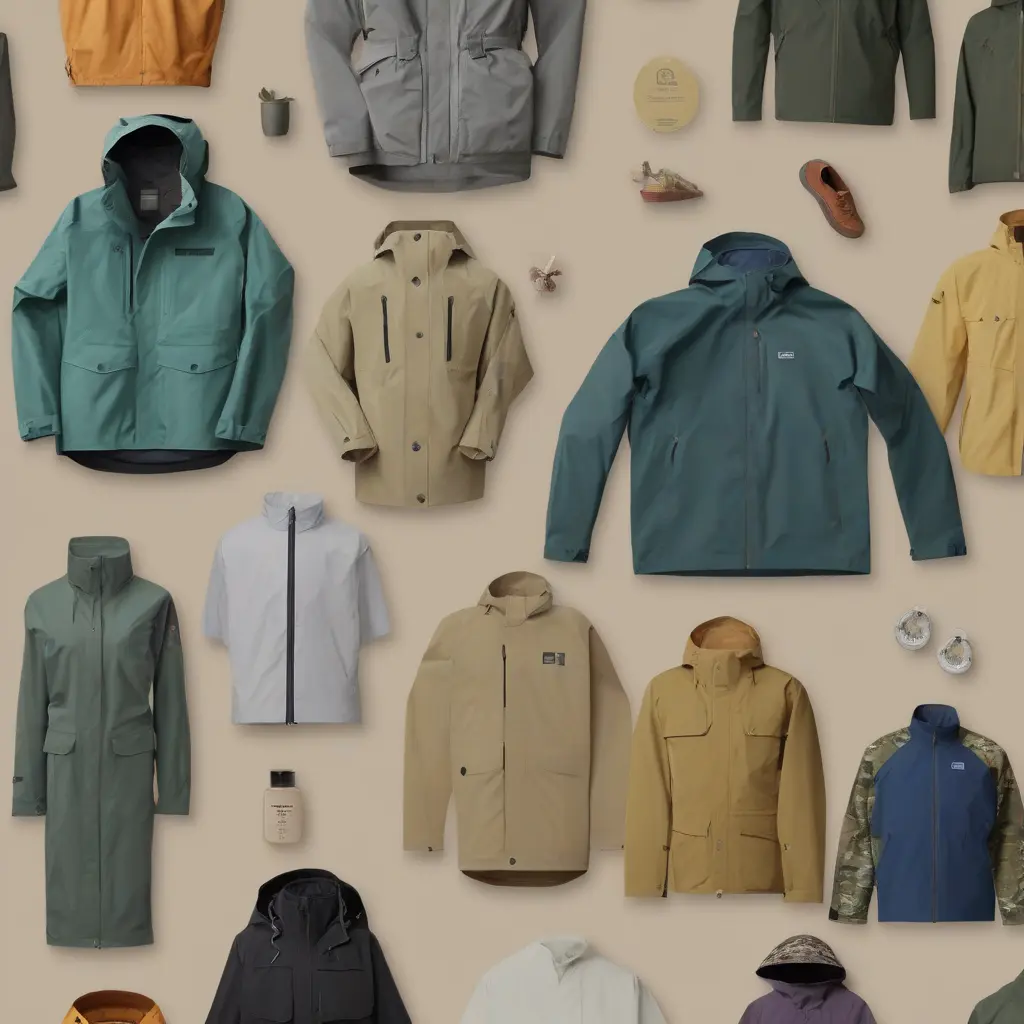
The outer layer is your first line of defense against harsh weather conditions, providing protection from wind, rain, and snow. Look for outerwear made from materials such as Gore-Tex or other waterproof, breathable fabrics that allow moisture to escape while keeping you dry. Additionally, consider features like adjustable cuffs, hoods, and ventilation zippers, which can enhance comfort and protection. Matching the outer layer with the base and insulation layers is key to achieving a seamless look while remaining functional.
The Role of Accessories in Layering
Accessories play a significant role in enhancing the effectiveness of your layering system. Items such as hats, gloves, and scarves can provide additional warmth while also protecting exposed skin from cold air. Moreover, thermal socks and moisture-wicking liners can improve comfort and prevent cold feet in freezing temperatures. When choosing accessories, prioritize materials that complement your layering choices and ensure a cohesive look without sacrificing functionality.
Layering for Different Activities
Different outdoor activities require different layering approaches. For instance, if you are skiing, your priority should be on mobility and heat retention. Opt for form-fitting base layers, insulated gloves, and waterproof outer shells. On the other hand, for a casual winter stroll, you could choose bulkier insulated jackets with looser-fitting base layers for extra comfort. Assessing the purpose of your outing will guide your layering choices, ensuring that you are prepared for your specific activities.
Color Coordination and Style Tips
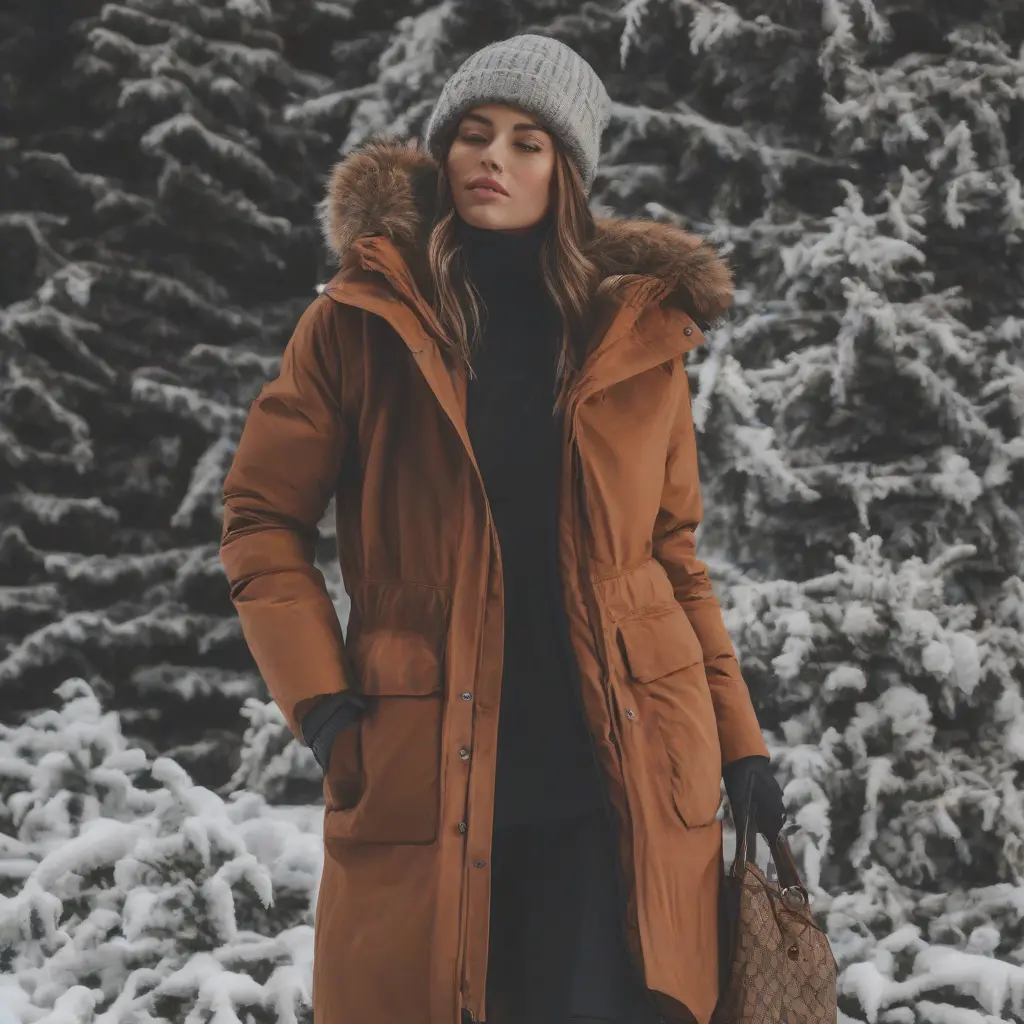
Staying warm in cold weather doesn’t mean sacrificing style. Opt for coordinating colors and textures to create a visually appealing outfit. Neutral tones often pair well with bold accents, while layering different fabrics can add depth and interest to your look. Additionally, consider wearing a stylish outer layer, such as a tailored coat or chic trench, over your insulating layers for a refined appearance that can transition from outdoor activities to social events seamlessly.
Layering for Urban vs. Wilderness Environments
Urban environments often demand functionality without compromising aesthetics, making it essential to select layers that blend well with city life. Conversely, wilderness settings may require more rugged and durable layers adequately prepared for the elements. Fusion jackets with technical features are great for urban settings, while heavyweight parkas can be more suitable for remote areas. Understanding your surroundings helps dictate the practical aspects of your layering and ensures you stay comfortable no matter where you are.
Maintaining Your Layered Outerwear
Proper maintenance is vital to prolonging the lifespan of your outerwear layers. Regular washing according to the manufacturer’s instructions helps retain both insulation and waterproof properties. Avoid fabric softeners that can impair moisture-wicking capabilities. Additionally, stored garments should be kept clean and dry to prevent mold and odors. By caring for your outerwear, you not only protect your investment but also ensure that your layers perform optimally each winter.
Conclusion
Mastering layering techniques for cold weather outerwear is essential for comfort and style during the winter months. By understanding the roles of base, insulation, and outer layers, as well as the importance of accessories, you can effectively assemble outfits that provide warmth and versatility. Whether navigating city streets or exploring the wilderness, the right layering strategy will ensure that you’re well-prepared for the demands of cold weather.